

A first-timer’s guide to Mexico
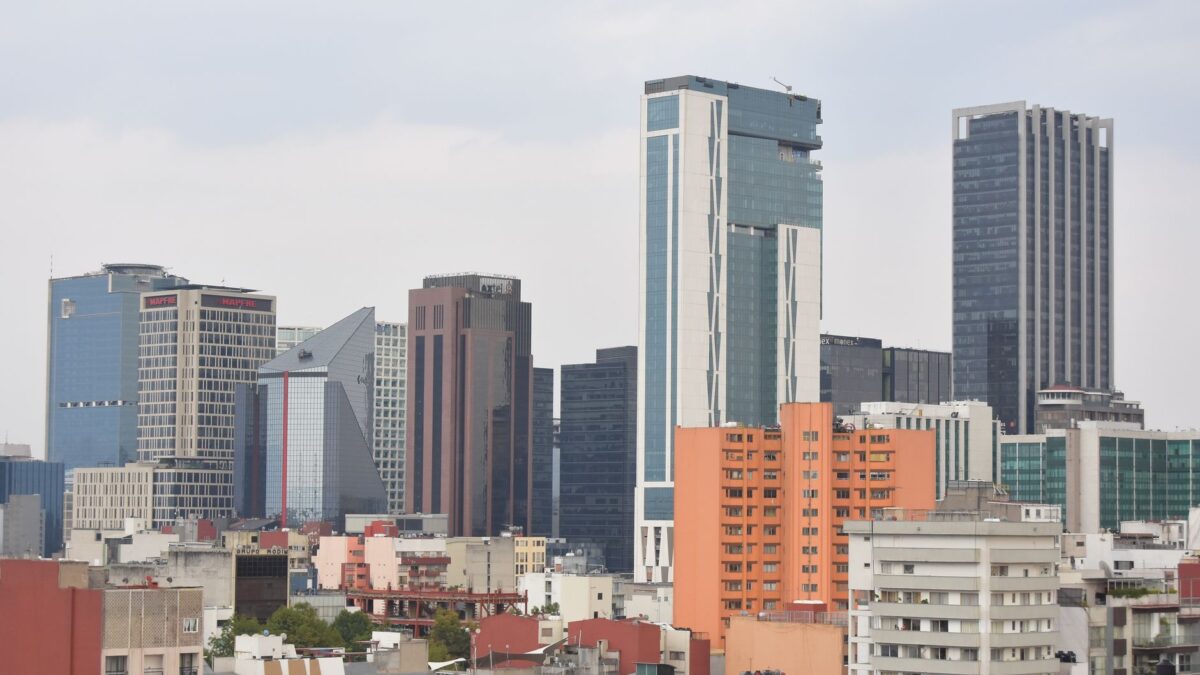
The rain was doing that Mexico City thing again—arriving without warning at 4 p.m., turning Avenida Álvaro Obregón into a sheet of silver, and sending everyone ducking into the nearest café. I was at Café Nin in Roma Norte, watching a young couple from Austin try to figure out the metro map on their phone. They looked overwhelmed. I wanted to tell them: you’re going to be fine, but you’re also going to need this. So here it is—everything I wish someone had told me before my first trip to this glorious, chaotic, life-changing city.
When to come (and what you’re getting into)
Late August is the heart of the rainy season. Today’s forecast says 13–24°C with a light drizzle—about 2mm over 12 hours, which sounds innocent enough until you see a street become a river in twenty minutes. The rain usually hits in the late afternoon, so plan your outdoor sightseeing for the morning and keep evenings flexible. The upside? The city is lush, the air is clean, and the markets are full of seasonal treats like chiles en nogada and huitlacoche. If you come in the dry season (November to April), you’ll get cooler nights and sunny days, but you’ll miss the electric storms that make this city feel more alive.
If you can time it, plan around Independence Day (September 16)—this year it’s in 21 days from now, and the Zócalo erupts with fireworks, music, and a massive reenactment of the Grito. Just know the city will be packed, and the metro will be a test of patience.
How long to stay (and where to base yourself)
Give yourself at least 5 to 7 days for a first visit. That’s enough to hit the big museums, wander three or four neighborhoods, and take one day trip to Teotihuacán (the pyramids are about an hour northeast of the city and worth every second). If you’re also planning to visit Oaxaca or the beach, add another 3–4 days.
For your base, think about the neighborhood as much as the hotel. Roma Norte is the foodie and nightlife heart—think Art Deco mansions, coffee on Álvaro Obregón, and dinner at places like Tezontle or Cuina. Condesa is leafier and more relaxed, with Parque España and the oval Amsterdam Avenue loop perfect for morning jogs. Coyoacán feels like a colonial village—home to Frida Kahlo’s Casa Azul, the Jardín Centenario, and weekend markets. Polanco is the polished, luxury option (Masaryk Avenue for shopping, plus easy access to Chapultepec). Hotels like Hotel Geneve (a classic) or Reforma Guest House (cozy and central) are solid choices near the Reforma corridor.
Getting around: Metro, Metrobús, and the MI Card
First, get a Tarjeta de Movilidad Integrada (the MI Card). It costs about $15 MXN (less than a dollar) and works on the Metro, Metrobús, Cablebús, Tren Ligero, and RTP buses. A single metro ride is a flat 5 pesos (around $0.25 USD)—one of the cheapest public transit fares of any megacity. The Metrobús is 6 pesos, and the Cablebús (a gondola that runs over the city’s east side) is 7 pesos. Paper tickets ended in 2024, so the card is non-negotiable. You can top it up at stations or via the CDMX app with NFC.
Now, the honest truth: the metro is incredible but sometimes unpredictable. The last few days, Line 3 ran split service from La Raza to Centro Médico after track inspections during heavy rain, and there were smoke evacuations at Taxqueña (Line 2) and Mixcoac (Line 7). That’s typical—check the Metro CDMX twitter before you head out. For door-to-door comfort, use Uber or Didi, not street taxis. They’re cheap by U.S. standards, and you won’t have to haggle.
Money: cash, cards, and what things actually cost
The currency is the Mexican peso, and the exchange rate hovers around 18.3 MXN per USD (as of 2024). You don’t need to carry huge wads of cash—most places accept cards—but keep some pesos for street food, markets, and small shops. ATMs are everywhere, but use ones inside banks (like BBVA Bancomer or Santander) to avoid skimmers.
Here’s a rough idea of daily costs: a street taco (al pastor, suadero, or carnitas) will run you 15–20 pesos (about a dollar). A tlacoyo at a market is 30–50 pesos—try one with nopales and queso. A comida corrida (set lunch at a market stand) is 80–100 pesos, and that’s a full meal with rice, beans, and a small dessert. A hearty lunch at Mercado de Medellín is about 100 pesos. A coffee in Roma or Condesa? 40–60 pesos at places like Cafebrería El Péndulo. A mid-range dinner is 200–300 pesos per person. So you can eat incredibly well for under $20 USD a day, though you’ll probably splurge at least once on a place like El Cardenal (the chilaquiles and café de olla are legendary) or The Backyard.
One thing that will surprise you: rents in trendy areas like Roma and Condesa have shot up—a modest one-bedroom outside the center goes for about 11,000–12,000 MXN (around $630 USD), but in the center you’re looking at 15,000–18,500 MXN. If you’re planning to stay a few months, check neighborhood Facebook groups instead of Airbnb—you’ll save a lot.
Safety, SIM cards, and the paperwork nobody warns you about
Safety: Roma, Condesa, Polanco, and Coyoacán are safe, walkable, and lively, even at night. Use common sense—avoid walking north of Avenida Juárez toward Tepito after dark, and don’t flash your phone on the metro. Uber is your friend. Also, be aware that street-vendor protests periodically close Avenida Hidalgo near Alameda Central—check for barricades before you plan a walk from Bellas Artes to the Zócalo.
SIM and phone: Buy a prepaid SIM from Telcel (best coverage), AT&T México, or Movistar at a store or Oxxo. Since 2025, you need a passport for prepaid registration—so bring it. If you’re on a budget, Bait is a cheap MVNO that runs on Telcel’s network, but coverage can be spotty.
Paperwork (if you fall in love and want to stay longer): Most nationalities (U.S., Canada, UK, EU) arrive visa-free and get a Forma Migratoria Múltiple (FMM) on arrival, usually valid up to 180 days. If you decide to stay, you’ll need to exchange the FMM for a residency card at INM, register for a CURP and RFC with the SAT tax authority, and then open a bank account. Banks like BBVA, Banorte, and Santander will want your passport, residency card, utility bill (like a CFE electricity bill), and a local phone number. Tourists on FMM generally can’t open accounts, but Intercam and Actinver sometimes work. Expect an initial deposit of roughly 1,500–5,000 MXN. It’s bureaucracy, but it’s worth it if you’re staying.
What I’d tell my younger self
Don’t try to do everything. The Museo Nacional de Antropología in Chapultepec deserves half a day alone—don’t rush it for the sake of a selfie. Book Casa Azul (Frida Kahlo’s museum) online weeks ahead, or you’ll be staring at a “sold out” screen. And for heaven’s sake, eat chiles en nogada while you’re here—it’s only available August through September, and the version at Restaurante Cerrojo Zócalo is a revelation.
Embrace the rain. When that 2pm downpour hits, don’t hide in your hotel. Grab a tlacoyo from a market stall, sit under a café awning at Niceto Day Coffee, and watch the city wash itself clean. That’s Mexico City—it doesn’t wait for you to be ready. You just jump in.
Frequently asked questions
When is the best time to visit Mexico City?
The dry season (November to April) offers sunny days and cooler nights, but late August brings seasonal rain and unique treats like chiles en nogada. If you want festivals, Independence Day (Sept 16) is spectacular, though the city will be crowded.
How many days should I spend in Mexico City?
For a first visit, plan at least 5–7 days to explore major museums, neighborhoods like Roma and Coyoacán, and take a day trip to Teotihuacán. Add extra days if you also want to visit Oaxaca or the coast.
Is it safe to walk around Mexico City?
Yes, in tourist-friendly areas like Roma, Condesa, Polanco, and Coyoacán, it's safe to walk even at night. Use Uber or Didi rather than street taxis, and avoid walking north of Avenida Juárez toward Tepito after dark.
How much does a metro ride cost in Mexico City?
A single metro ride costs 5 MXN (about $0.25 USD). You need a Tarjeta de Movilidad Integrada (MI Card), which costs about 15 MXN and can be topped up at stations or via the CDMX app.
Do I need a visa to visit Mexico?
Most nationalities (US, Canada, UK, EU) enter visa-free and get a Forma Migratoria Múltiple (FMM) on arrival, valid up to 180 days. For longer stays, consider applying for Temporary Residency at a Mexican consulate.
Things to do in Mexico
 Lagoon 39ft Private Catamaran 5hr - El Cielo Full Experience
 VIP Cenotes Private Tour
 Likely to sell out
Bestseller! Tulum Private Tour with Turtles and Cenote Snorkeling
Likely to sell out
Bestseller! Tulum Private Tour with Turtles and Cenote Snorkeling
 Heather Nikki 80 ft Italian Azimut Yacht Rental
 Special offer
Private Tour to Tulum, Cenote and Swimming with Turtles
Special offer
Private Tour to Tulum, Cenote and Swimming with Turtles
 Private luxury catamaran in Tulum with snacks & open bar