

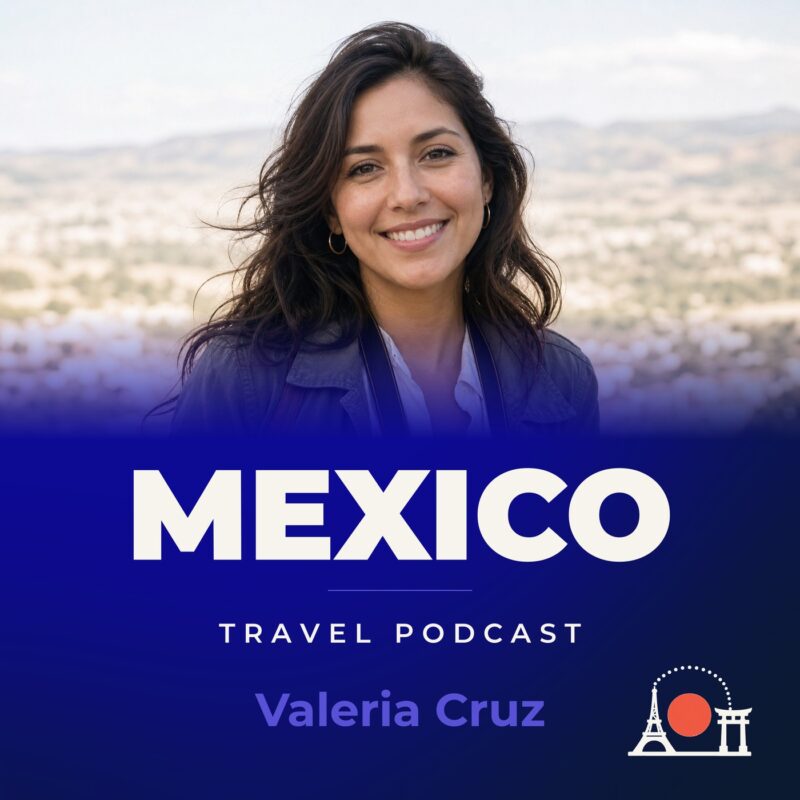
Mexico Travel Podcast with Valeria Cruz
Hosted by Valeria Cruz — a new episode every day from Mexico.
Mexico Travel Podcast follows a single host as she settles in one place, learns it, and then moves somewhere connected to it. Travelling through Mexico means moving between high, rugged mountains, low coastal plains, high plateaus and desert, with Spanish and indigenous languages spoken across the country.
Episodes move from Mexico City and Guadalajara to Toluca de Lerdo, Puebla and the Veracruz coast, with occasional detours into the desert and the volcanic Ring of Fire. She treats each place as its own working city, not a stop on a checklist, and the show reflects that.
Each series follows a season in one place, so returning to a city later means noticing what has changed and what has not. Over time the episodes build a sense of Mexico that a visitor rarely gets: the rhythm of markets, the sound of a street, the way a rainy season alters a landscape.
Recent episodes
Things to do in Mexico
 Lagoon 39ft Private Catamaran 5hr - El Cielo Full Experience
 VIP Cenotes Private Tour
 Likely to sell out
Bestseller! Tulum Private Tour with Turtles and Cenote Snorkeling
Likely to sell out
Bestseller! Tulum Private Tour with Turtles and Cenote Snorkeling
 Heather Nikki 80 ft Italian Azimut Yacht Rental
 Private luxury catamaran in Tulum with snacks & open bar
 Special offer
Private Tour to Tulum, Cenote and Swimming with Turtles
Special offer
Private Tour to Tulum, Cenote and Swimming with Turtles
 Teotihuacán: Private Tour from Mexico City
 4 Hours Exclusive 45' Lagoon Catamaran Experience
Plan your trip to Mexico
Getting around
Staying connected
Mexico at a glance
Mexico in depth
Reference data on the country — geography, people, history, economy and transport.
Geography and climate
Location
North America, bordering the Caribbean Sea and the Gulf of America, between Belize and the United States and bordering the North Pacific Ocean, between Guatemala and the United States
Terrain
High, rugged mountains; low coastal plains; high plateaus; desert
Climate
Varies from tropical to desert
Elevation
- Highest point
- Volcan Pico de Orizaba 5,636 m
- Lowest point
- Laguna Salada -10 m
- Mean elevation
- 1,111 m
Area
- Total
- 1,964,375 sq km
- Land
- 1,943,945 sq km
- Water
- 20,430 sq km
Size comparison
Slightly less than three times the size of Texas
Coastline
9,330 km
Land borders
- Total
- 4,389 km
- Border countries
- Belize 276 km; Guatemala 958 km; US 3,155 km
Natural resources
Petroleum, silver, antimony, copper, gold, lead, zinc, natural gas, timber
Land use
- Agricultural land
- 50.7% (2023 est.)
- Arable land
- 10.3% (2023 est.)
- Permanent crops
- 2.3% (2023 est.)
- Permanent pasture
- 38.1% (2023 est.)
- Forest
- 34.2% (2023 est.)
- Other
- 15.1% (2023 est.)
Natural hazards
Tsunamis along the Pacific coast; volcanoes and destructive earthquakes in the center and south; hurricanes on the Pacific, Gulf of America, and Caribbean coasts
Volcanism: volcanic activity in the central-southern part of the country; the volcanoes in Baja California are mostly dormant; Colima (3,850 m) is Mexico's most active volcano and is responsible for periodic evacuations of nearby villagers; it has been deemed a Decade Volcano by the International Association of Volcanology and Chemistry of the Earth's Interior, worthy of study due to its explosive history and close proximity to human populations; Popocatepetl (5,426 m) poses a threat to Mexico City; other historically active volcanoes include Barcena, Ceboruco, El Chichon, Michoacan-Guanajuato, Pico de Orizaba, San Martin, Socorro, and Tacana; see note 2 under "Geography - note"
Note
Note 1: strategic location on southern border of the US; Mexico is one of the countries along the Ring of Fire, which is a belt bordering the Pacific Ocean that contains about 75% of the world's volcanoes and up to 90% of the world's earthquakes
Note 2: the Sac Actun cave system at 348 km (216 mi) is the longest underwater cave in the world and the second longest cave worldwide, after Mammoth Cave in the United States (see "Geography - note" under United States)
Note 3: the prominent Yucatán Peninsula that divides the Gulf of America from the Caribbean Sea is shared by Mexico, Guatemala, and Belize; on the northern coast of Yucatan near the town of Chicxulub lie the remnants of a massive asteroid or comet crater about 150 km (93 mi) in diameter and extending into the Gulf of America; the impact is believed to have initiated a worldwide climate disruption that caused a mass extinction of 75% of the earth's plant and animal species, including the non-avian dinosaurs
People and society
Population
- Total
- 130,739,927 (2024 est.)
- Male
- 63,899,138
- Female
- 66,840,789
Nationality
- Noun
- Mexican(s)
- Adjective
- Mexican
Ethnic groups
Mestizo (Indigenous-Spanish) 62%, predominantly Indigenous 21%, Indigenous 7%, other 10% (mostly European) (2012 est.)
Languages
- Languages
- Spanish only 93.8%, Spanish and indigenous languages (including Mayan, Nahuatl, and others) 5.4%, indigenous only 0.6%, unspecified 0.2% (2020 est.)
- Major-language sample(s)
- La Libreta Informativa del Mundo, la fuente indispensable de información básica. (Spanish)
Religions
Catholic 77.7%, no religion 10.6%, other Evangelical Churches 7.5%, Jehovah Witness 1.2%; less than 1 percent: Pentecostal, Seventh Day Adventist, Historics, not specified, Latter Day Saints, other religions (2020 est.)
Median age
- Total
- 31 years (2025 est.)
- Male
- 28.8 years
- Female
- 32.7 years
Life expectancy
- Total population
- 74.6 years (2024 est.)
- Male
- 71.6 years
- Female
- 77.7 years
Urbanisation
- Urban population
- 81.6% of total population (2023)
- Rate of urbanization
- 1.4% annual rate of change (2020-25 est.)
Where people live
Most of the population is found in the middle of the country between the states of Jalisco and Veracruz; approximately a quarter of the population lives in and around Mexico City
Largest cities
22.281 million MEXICO CITY (capital), 5.420 million Guadalajara, 5.117 million Monterrey, 3.345 million Puebla, 2.626 million Toluca de Lerdo, 2.260 million Tijuana (2023)
Background and government
Background
Mexico was the site of several advanced Amerindian civilizations -- including the Olmec, Toltec, Teotihuacan, Zapotec, Maya, and Aztec -- until Spain conquered and colonized the area in the early 16th century. Administered as the Viceroyalty of New Spain for three centuries, it achieved independence early in the 19th century. Elections held in 2000 marked the first time since Mexican Revolution in 1910 that an opposition candidate -- Vicente FOX of the National Action Party (PAN) -- defeated the party in government, the Institutional Revolutionary Party (PRI). He was succeeded in 2006 by another PAN candidate Felipe CALDERON, but Enrique PEÑA NIETO regained the presidency for the PRI in 2012. Left-leaning anti-establishment politician and former mayor of Mexico City (2000-05) Andrés Manuel LÓPEZ OBRADOR, from the National Regeneration Movement (MORENA), became president in 2018.
The US-Mexico-Canada Agreement (USMCA, or T-MEC by its Spanish acronym) entered into force in 2020 and replaced its predecessor, the North American Free Trade Agreement (NAFTA). Mexico amended its constitution in 2019 to facilitate the implementation of the labor components of USMCA.
Mexico is currently the US's second-largest goods trading partner, after Canada. Ongoing economic and social concerns include low real wages, high underemployment, inequitable income distribution, and few advancement opportunities, particularly for the largely indigenous population in the impoverished southern states. Since 2007, Mexico's powerful transnational criminal organizations have engaged in a struggle to control criminal markets, resulting in tens of thousands of drug-related homicides and forced disappearances.
Government
Federal presidential republic
Capital
Mexico City (Ciudad de Mexico)
Time zone
UTC-6 (1 hour behind Washington, DC, during Standard Time)
Local name
Estados Unidos Mexicanos
Independence
16 September 1810 (declared independence from Spain); 27 September 1821 (recognized by Spain)
National day
Independence Day, 16 September (1810)
Economy and cost of living
Overview
Upper-middle-income economy; highly integrated with US via trade and nearshore manufacturing; weak domestic demand, fiscal consolidation, and trade uncertainty contributing to sluggish growth; low unemployment; challenges from income inequality, corruption, and cartel-based violence
GDP per capita
- Real GDP per capita 2024
- $22,000 (2024 est.)
- Real GDP per capita 2023
- $21,900 (2023 est.)
- Real GDP per capita 2022
- $21,400 (2022 est.)
Inflation
- Inflation rate (consumer prices) 2024
- 4.7% (2024 est.)
- Inflation rate (consumer prices) 2023
- 5.5% (2023 est.)
- Inflation rate (consumer prices) 2022
- 7.9% (2022 est.)
Unemployment
- Unemployment rate 2024
- 2.8% (2024 est.)
- Unemployment rate 2023
- 2.8% (2023 est.)
- Unemployment rate 2022
- 3.3% (2022 est.)
Exchange rate
- Currency
- Mexican pesos (MXN) per US dollar -
- Exchange rates 2024
- 18.305 (2024 est.)
- Exchange rates 2023
- 17.759 (2023 est.)
- Exchange rates 2022
- 20.127 (2022 est.)
- Exchange rates 2021
- 20.272 (2021 est.)
- Exchange rates 2020
- 21.486 (2020 est.)
Main industries
Food and beverages, tobacco, chemicals, iron and steel, petroleum, mining, textiles, clothing, motor vehicles, consumer durables, tourism
Agriculture
Sugarcane, maize, milk, oranges, sorghum, tomatoes, chicken, chillies/peppers, wheat, lemons/limes (2023)
Transport and connectivity
Airports
1,580 (2025)
Railways
- Total
- 23,389 km (2017)
- Standard gauge
- 23,389 km (2017) 1.435-m gauge (27 km electrified)
Ports
- Total ports
- 35 (2024)
- Large
- 0
- Medium
- 7
- Small
- 10
- Very small
- 14
- Size unknown
- 4
- Ports with oil terminals
- 21
- Key ports
- Acapulco, Ensenada, Manzanillo, Mazatlan, Tampico, Tuxpan, Veracruz
Internet domain
.mx
Internet users
Percent of population 81% (2023 est.)
Mobile subscriptions
- Total subscriptions
- 140 million (2023 est.)
- Subscriptions per 100 inhabitants
- 100 (2022 est.)
Environment
Environmental issues
Scarcity of hazardous waste disposal facilities; natural freshwater resources scarce and polluted in north, inaccessible and poor quality in center and extreme southeast; urban river pollution from raw sewage and industrial effluents; deforestation; widespread erosion; desertification; serious air and water pollution in urban areas; land subsidence in Valley of Mexico caused by groundwater depletion
Fresh water
461.888 billion cubic meters (2022 est.)
UNESCO Global Geoparks
- Total global geoparks and regional networks
- 2
- Global geoparks and regional networks
- Comarca Minera, Hidalgo; Mixteca Alta, Oaxaca (2023)
Country reference figures are periodically revised. Check anything time-sensitive or safety-critical against an official source before you travel.
Mexico travel guides
 Costs & Money
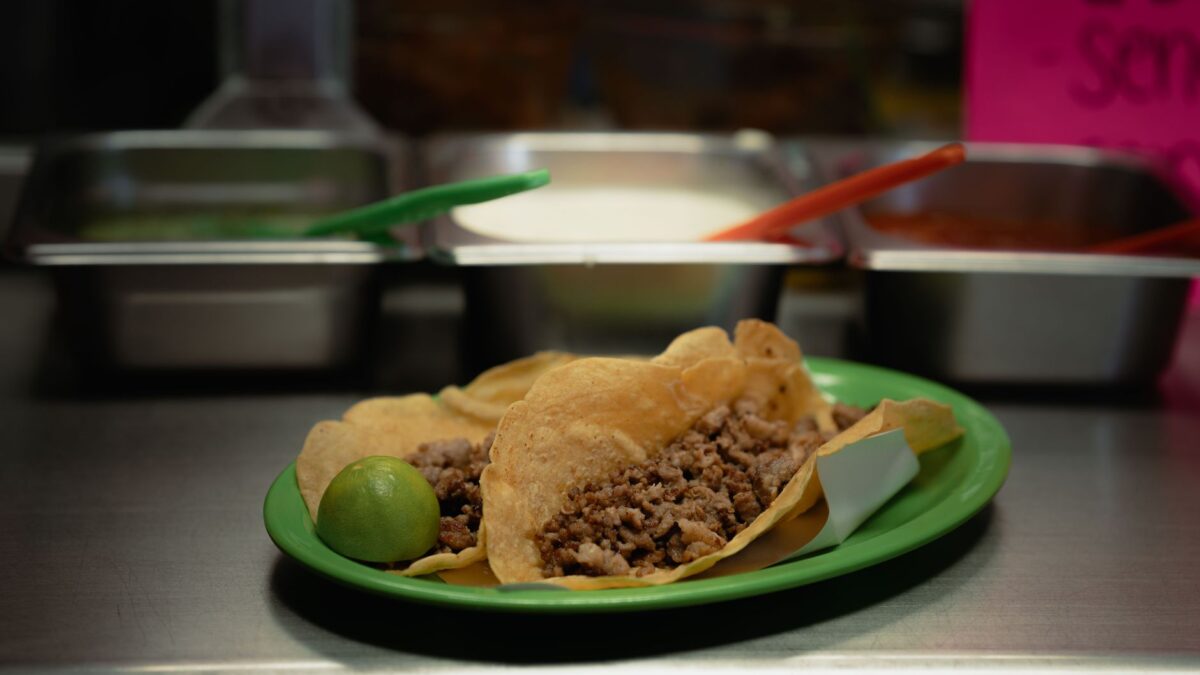
A week in Mexico City on a mid-range budget
A day-by-day guide to spending a week in Mexico City on a mid-range budget, covering real costs for food, transit, and hotels in Sept…
 Food & Drink
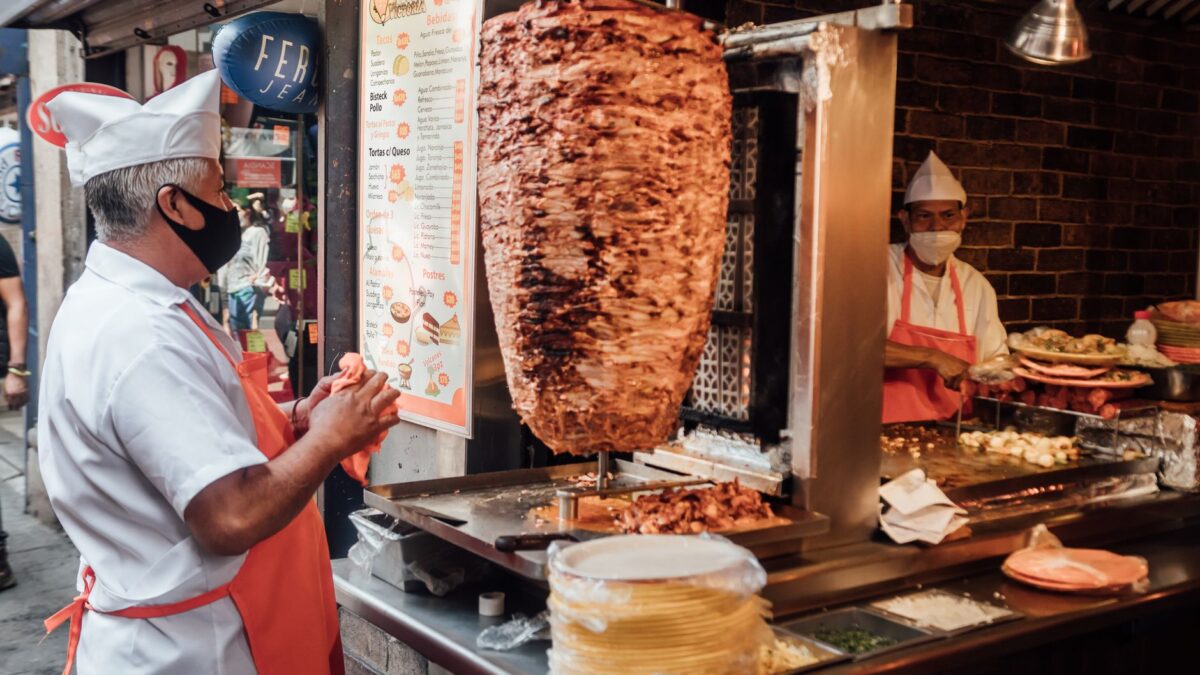
What to eat in Mexico — and what it costs
What to eat in Mexico City: tacos, tlacoyos, chiles en nogada, market comida corrida, and café — with honest prices in pesos. A local's…
 Costs & Money
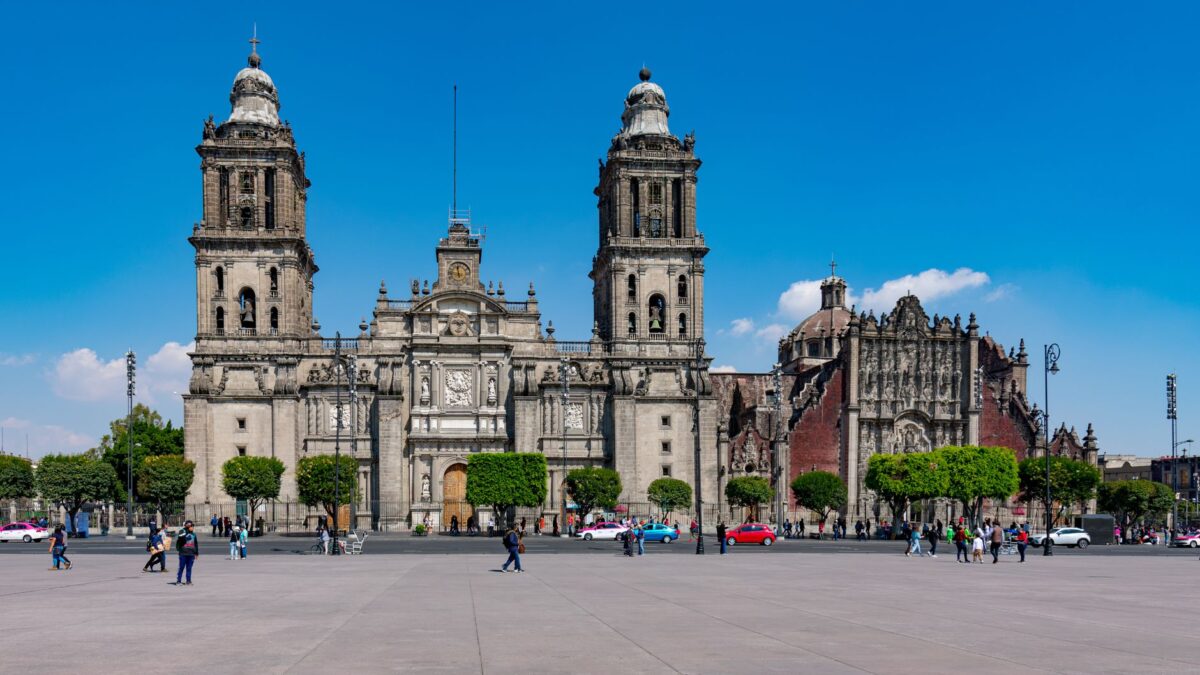
How much does a trip to Mexico cost?
Realistic Mexico City trip costs: budget, mid-range, comfortable. Daily totals in pesos, prices for tacos, Metro, museums, and hotels in 2026.
 Travel Tips
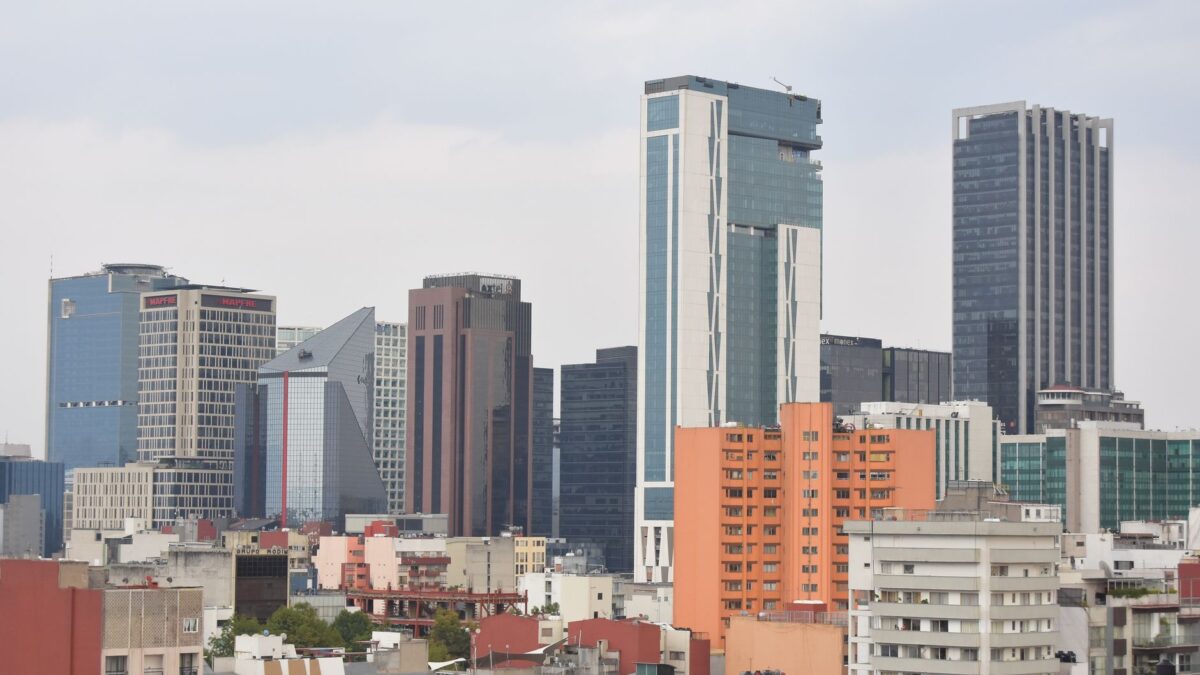
A first-timer’s guide to Mexico
Essential Mexico City travel tips for first-timers: best time to visit, how long to stay, getting around, costs, safety, and insider advice from a…
North America
 United States
United States Travel Podcast with Harper Wells
Listeners join a resident's-eye journey through American terrain, from New York's urban cluster to Alaska's broad river valleys and the arid Great…
 Canada
Canada Travel Podcast with Nathan Beaulieu
The wide plains of the Prairies run from Manitoba to Alberta, rising finally into the Rocky Mountains and leaving Ottawa in the…