

A first-timer’s guide to Montenegro
It is mid-November in Podgorica, and the city has turned a deep, moody grey. A storm rolled through yesterday, dropping over 100mm of rain and toppling a large tree on Trg Argentina, but the streets are drying out now. If you stand by the confluence of the Morača and Ribnica rivers at Sastavci, you can smell the woodsmoke drifting from the old stone houses of Stara Varoš. It is not the postcard Montenegro of summer sunsets, but it is the real one—damp, atmospheric, and surprisingly alive with culture. As someone who calls this place home, I often tell first-timers that the ‘best’ time to visit depends entirely on what kind of travel experience you want. If you want to hike the Prokletije peaks or swim in the Adriatic, wait for May. But if you want to understand the soul of the country without the crowds, come now.
When to Go: The Seasonal Rhythm
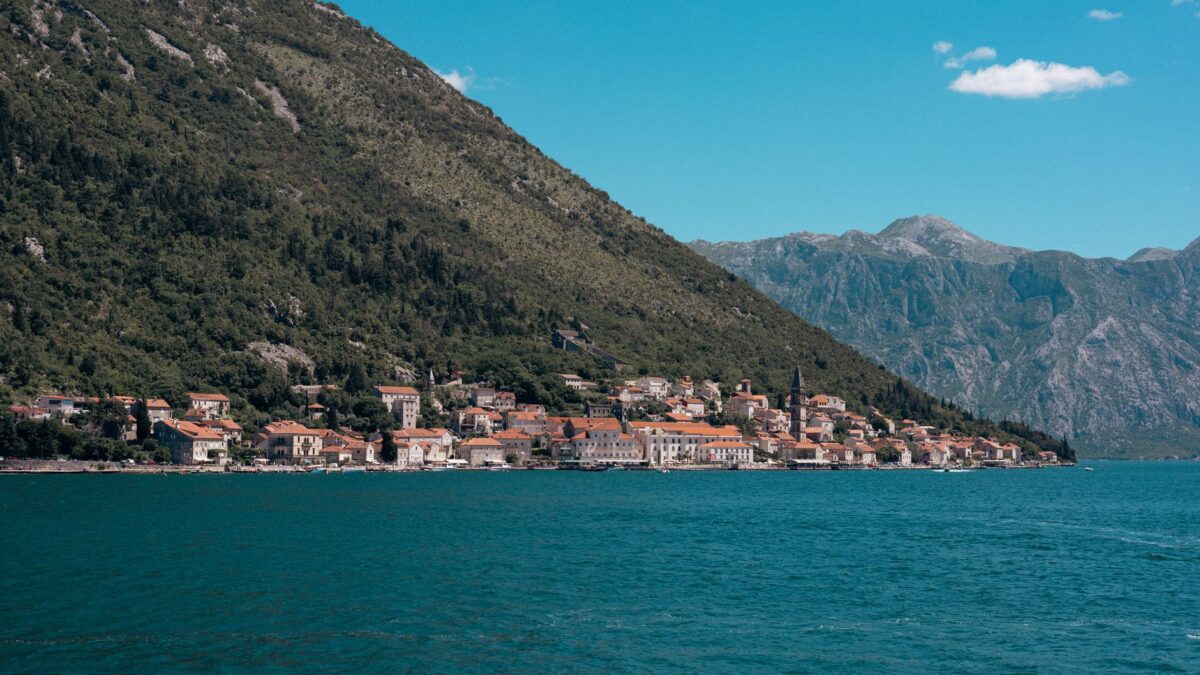
Montenegro is small, but its geography creates two very different worlds. The coast (Kotor, Budva, Tivat) is Mediterranean; the interior (Podgorica, Nikšić, the mountains) is continental. For a first-timer, the sweet spot is usually late spring (May–June) or early autumn (September–October). The weather is mild, perfect for exploring the Bay of Kotor before the cruise ships arrive, and warm enough for a coffee on a terrace.
If you visit in winter, like right now, expect cooler temperatures around 17°C, though summers can push past 40°C, making midday walking dangerous. Mid-winter is actually a fantastic time to visit Podgorica specifically. While the coast slows down, the capital buzzes with local life. You will find mandarins and persimmons appearing in markets, and the city’s cultural calendar remains active. Right now, for instance, the 11th International Guitar Festival “Guitar Days in Podgorica” is running, featuring concerts and masterclasses at the Vasa Pavić music school. It is a chance to see the city when it drops its tourist mask and reveals its daily rhythm.
How Long to Stay and Getting Around
You need at least seven days to scratch the surface. A common route is three days in Podgorica, three days on the coast, and two days in the north (Cetinje, Lovćen, or Durmitor National Park). However, if you have only four days, do not split your stay too thinly. Pick either the Coast & Mountains or the Capital & Skadar Lake. Trying to do everything in 72 hours will leave you exhausted rather than inspired.
Getting around requires a car for anything beyond the immediate city centre. Public transport exists but is limited. In Podgorica, the city bus system is run by Gradski saobraćaj PG. A single ticket costs about €0.90 and gives you 90 minutes of travel, which is a bargain. Monthly passes run around €27–30. You can use the Moovit app to navigate routes, as signage can sometimes be sparse. For longer distances between cities, buses are frequent and reliable, departing from the central station. Taxis are available but always agree on a fare beforehand or use a dispatch app to avoid overcharging. And please, never walk along the riverbanks during heavy rain; the Morača and Ribnica can swell rapidly, posing a genuine risk.
The Money Matters: Costs and Currency
Montenegro uses the euro (EUR) unilaterally, even though it is not yet an EU member. This simplifies things immensely for visitors from the Eurozone, US, UK, Canada, and most other Western nations. You enter visa-free for up to 90 days within a 180-day period. Just ensure your passport is valid for at least three months beyond your stay. Note that if you are driving in from Croatia, you are crossing a Schengen external border, so keep your documents handy.
Podgorica remains one of Europe’s more affordable capitals, though prices have risen since 2022. You should budget roughly €600–750 per month for living expenses excluding rent, but as a tourist, your daily spend will vary. A meal at an inexpensive local restaurant runs about €10 per person. If you want a proper three-course dinner for two at a mid-range spot, expect to pay around €45. Coffee culture is huge here; a cappuccino in a café will set you back roughly €2.00–2.25. Groceries are reasonable: a litre of milk is about €1.28, and a loaf of bread is under €1.00. Beer in a supermarket is cheap, around €0.90 for 0.5L, but in a bar, it will cost more. Rent has skyrocketed recently, with a modest one-bedroom in the centre costing around €575 monthly, reflecting the city’s growing appeal to digital nomads and expats.
Essentials: SIM Cards, Banking, and Registration
Connectivity is straightforward. There are three main operators: Crnogorski Telekom (T-Mobile), One Crna Gora, and m:tel. Prepaid tourist SIMs are widely available at the airport and kiosks. You will need your passport to register the SIM. 4G coverage is excellent across the city and most tourist areas, with 5G rolling out in pockets. eSIM options are increasingly popular via One and m:tel.
Banking can be tricky for short-term visitors. Non-residents generally cannot open a full current account (tekući račun) without a residence permit and proof of address. However, you do not need a local bank account to survive. ATMs are plentiful, and Visa/Mastercard are accepted almost everywhere. Cash is still king in smaller towns and rural taverns. Be aware that major banks like CKB, NLB, and Erste have branches clustered in the Vectra and City Kvart districts.
A critical legal point: Every foreign guest must be registered with the police (prijava boravišta). Your accommodation provider—hotel, hostel, or Airbnb host—is legally required to file this within 12–24 hours of your arrival. Keep the paper slip they give you safe. You may need it for police checks or if you extend your stay. Longer-term residents must also obtain a ‘beli karton’ (white card) at the MUP police station, which serves as proof of address for banking and telecom services.
First-Timer’s Mistakes and Local Secrets
Most visitors make the mistake of treating Podgorica merely as a transit hub. They fly in, grab a taxi to Kotor, and never return. This is a pity. Podgorica is the country’s political and economic heart, and it deserves time. Start in Stara Varoš, the Ottoman core near the river. Walk past the Sahat kula clock tower, built in 1667—one of the few structures to survive WWII bombing—and explore the narrow lanes where traditional taverns serve hearty food. Cross Adži-paša’s Bridge at Sastavci to see the green gorge where the city began.
Another error is ignoring the northern highlands. Many travelers rush to the coast, but the north offers dramatic landscapes like Durmitor National Park and the Ostrog Monastery, carved into a cliff face. It is a spiritual and physical highlight of any trip. Also, watch your belongings on crowded buses and near the train station; while violent crime is rare, pickpocketing exists.
Finally, embrace the slow pace. Montenegrins value conversation and hospitality. If you sit in a kafana and order rakija, you will likely be offered food. Do not refuse. Take time to visit Lake Skadar National Park, just 20km south, for birdwatching and fresh fish dinners. Whether you are hiking Gorica hill for sunset views or navigating the glass-and-concrete grid of City Kvart, remember that Montenegro rewards patience. Come for the scenery, stay for the warmth of the people, and leave with a taste of the wild, beautiful chaos that defines this small Balkan gem.
Frequently asked questions
Do I need a visa to visit Montenegro?
Holders of EU, US, UK, Canadian, and most Western passports can enter visa-free for up to 90 days within a 180-day period. Your passport must be valid for at least three months beyond your stay.
What currency is used in Montenegro?
Montenegro uses the euro (EUR) unilaterally. Credit cards are widely accepted in cities and tourist areas, but cash is preferred in rural taverns and smaller shops.
How much does a meal cost in Montenegro?
A meal at an inexpensive local restaurant costs around €10 per person. A three-course dinner for two at a mid-range restaurant is approximately €45. Coffee typically costs €2.00–2.25.
Is it safe to travel to Montenegro?
Violent crime is rare, and the centre is walkable at night. However, be vigilant against pickpockets on crowded buses and near stations. Always agree on taxi fares beforehand or use an app.
How do I get a local SIM card?
You can buy prepaid SIMs from operators like Crnogorski Telekom, One Crna Gora, or m:tel at the airport or local kiosks. You must present your passport to register the SIM card.
Things to do in Montenegro
 Nevidio Canyoning
 Private tour: Homemade food and wine tasting at my family home
 Kotor - Private Cooking Class with Lunch and Old Town Guided Tour
 Lady of the Rocks & Perast Old Town Private Tour (up to 5 people)
 Private transfers from Podgorica Airport and city to Budva
 Exciting And Historical Perast - Private tour