

A first-timer’s guide to Namibia
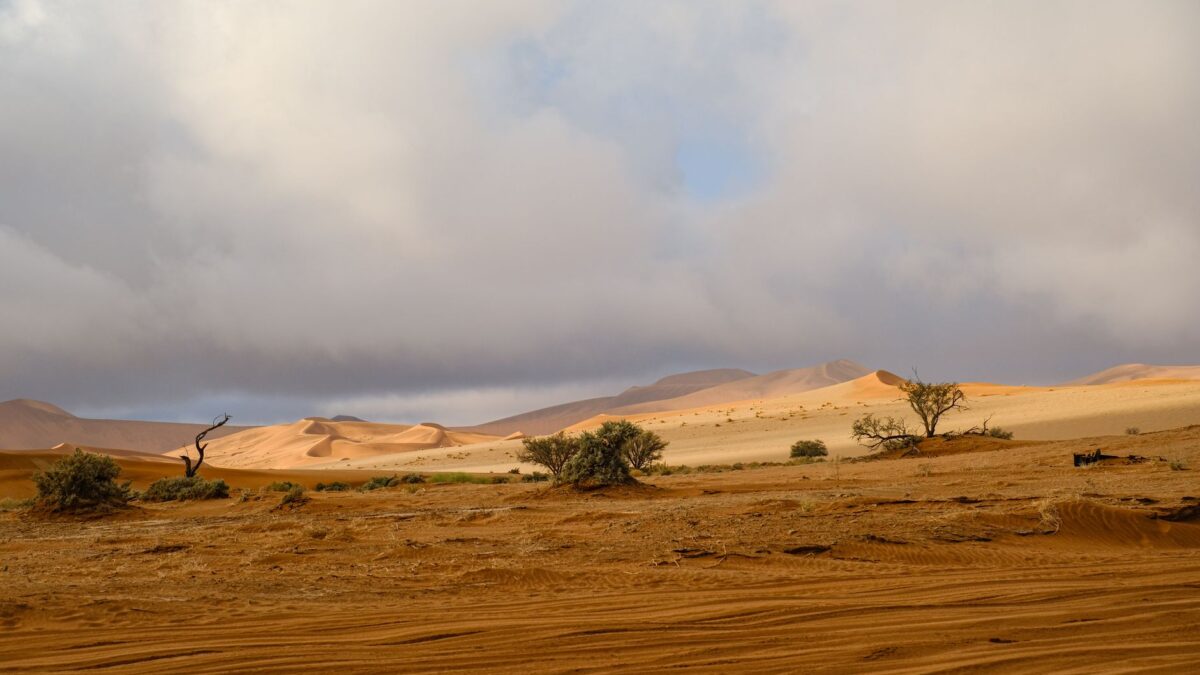
Windhoek in late October feels like a held breath. The jacarandas are exploding into violet clouds over the Khomas hills, but the air is dry and warm, hovering around 18–33°C before the first rains finally break. It is the tail end of the dry season, a time when the city hums with anticipation. You can feel it in the rhythm of the streets: festivals spilling out onto Olympia, warehouse beats echoing from Katutura, and the scent of grilled meat drifting from Single Quarters. If you are planning your first trip to Namibia, this is the window where the landscape is golden and the social calendar is full. But to truly enjoy it, you need to know how the city ticks.
When to Visit and How Long to Stay
October is a sweet spot for first-timers. The weather is generally pleasant during the day, though evenings can cool down quickly once the sun dips below the horizon at roughly 19:03. You will find that everything moves later here; lunch might be at 14:00, and dinner doesn’t start until 20:00 or later. This ‘late October’ timing means you catch the city in full swing—whether you want to see the ‘Art for Cuba’ exhibition at Bellhaus Atelier & Galerie on Bell Street, or just soak in the atmosphere as the capital waits for relief from the heat.
For duration, aim for at least seven to ten days. Windhoek itself is best explored in two or three days, serving as your launchpad. The rest of your time should be split between the desert north towards Sossusvlei and the coast towards Swakopmund. If you rush, you miss the silence that defines Namibia. Take your time. Let the long drives become part of the experience rather than a chore.
Getting Around: Wheels Are Non-Negotiable
In most African capitals, you can survive without a car. In Namibia, public transport exists, but it is not designed for tourists. You have municipal buses and shared minibus taxis, which cost around N$13 (about $0.7) per ride. While there is a monthly pass available for roughly N$800 (about $45), navigating these systems with luggage and tight schedules is stressful and inefficient. For a first-timer, renting a vehicle is the only practical choice. A 4×4 is ideal for the sandy tracks leading to Etosha or the Skeleton Coast, but a standard sedan will suffice if you stick to the paved main roads connecting Windhoek, Swakopmund, and Walvis Bay.
If you do need a short hop within Windhoek, metered taxis are affordable. The base fare starts at about N$13 (roughly $0.7). However, always agree on a price or ensure the meter is running before you get in. Ride-hailing apps work, but availability can be sporadic outside the central business district. Plan your routes in advance, especially if you are heading to places like Christuskirche or the Independence Museum, which are walkable from the centre but require coordination to return.
The Money Matters: Budgeting Wisely
Namibia uses the Namibian Dollar (NAD), which is pegged 1:1 with the South African Rand. As of recent data, one US dollar buys approximately 18.329 Namibian dollars. The economy is stable, with inflation sitting around 3.5%, but costs can add up quickly if you are not careful. Windhoek is mid-priced by African standards, but housing costs have risen sharply, impacting local wages more than tourist budgets. Here is what you can expect to spend:
- Food: Eating out is reasonable. An inexpensive meal at a local restaurant runs about N$190 (roughly $10). For a proper three-course dinner at a mid-range spot like Joe’s Beerhouse or The Cork & Fork Restaurant, budget around N$500–525 (about $28) per person. A cup of coffee, perhaps at Shema Coffee or Café Coffee Windhoek, will set you back about N$38 (around $2.1).
- Drinks: Local beer, specifically Windhoek Lager, is a staple. You can buy a 500 ml bottle in a shop for about N$24 (roughly $1.6), but in a bar or restaurant, expect to pay between N$35 and N$60. Don’t forget to try kapana—the legendary grilled beef strips sold at street markets. At Katutura’s Single Quarters, a piece costs N$10–25 (about $1.0), and a full plate with salt, chilli, and pap is around N$50–100. Note that due to ongoing foot-and-mouth disease restrictions, some meat stalls have been affected, so keep an eye on local reports regarding availability.
- Accommodation: Prices vary wildly. A night in a mid-range guesthouse, such as Villa Vista Guesthouse or Ti Melen Boutique Guesthouse, costs roughly N$900–1,500 (about $65) per person. If you prefer self-catering, a modest unfurnished one-bedroom flat rents for N$5,800–8,300 per month, highlighting that while daily travel costs are manageable, long-term living is expensive for locals.
Cash is king in informal settings. While major hotels and restaurants accept cards, small vendors, especially in the informal sector, may not. Carry enough NAD for tips, entrance fees, and those essential kapana stops.
Essentials and Insider Tips
There are a few things that trip up first-timers. First, respect the silence. Namibia is vast, and the spaces between towns are immense. Drive safely; animals cross roads unexpectedly, even near urban edges like the new Southern Link dual-carriageway stretch outside Windhoek. Second, embrace the culture. Windhoek is a blend of German colonial heritage and vibrant African traditions. Visit the Geological Survey Museum or the National Art Gallery of Namibia to understand the layers of history. If you are visiting in late October, check local listings for events like the Windhoek Oktoberfest at the SKW grounds in Olympia, which features Bavarian bands and log-sawing, or gospel festivals at Hage Geingob Stadium.
Banking is easy, with branches like Bank Windhoek Capricorn Branch and Standard Bank Windhoek Main Branch widely available. ATMs are common in malls like Maerua Mall. However, always inform your bank of your travel dates to avoid card blocks. Lastly, dress practically. Layers are essential because the temperature drop after sunset is real. Bring a light jacket even in October, and comfortable walking shoes for exploring sites like the City Museum Windhoek or wandering through the gardens of Magnolia House and Gardens.
Namibia is not just a destination; it is a feeling. It is the crunch of sand under tires, the taste of cold beer after a long drive, and the warmth of a people who welcome you with open arms. Come prepared, stay curious, and let the land speak to you.
Frequently asked questions
How much does a meal cost in Windhoek?
An inexpensive local meal is around N$190 (approx. $10), while a mid-range dinner with three courses is roughly N$500–525 (approx. $28) per person.
Is it safe to use public transport in Namibia?
Public transport like minibus taxis is affordable (around N$13 per ride) but not recommended for tourists with luggage. Renting a car is the safest and most convenient option.
What is the currency and exchange rate?
The currency is the Namibian Dollar (NAD). As of recent data, 1 USD is approximately 18.329 NAD. Cash is preferred for small vendors and street food.
What are the best areas to stay in Windhoek?
Mid-range guesthouses like Villa Vista Guesthouse or Ti Melen Boutique Guesthouse offer good value. Areas near the centre provide easy access to attractions like Christuskirche and independence Museum.
What is kapana and where can I find it?
Kapana is grilled beef strips sold by street vendors. You can find it at Katutura's Single Quarters market, where a piece costs about N$10–25 (approx. $1.0).


