

A first-timer’s guide to Nepal
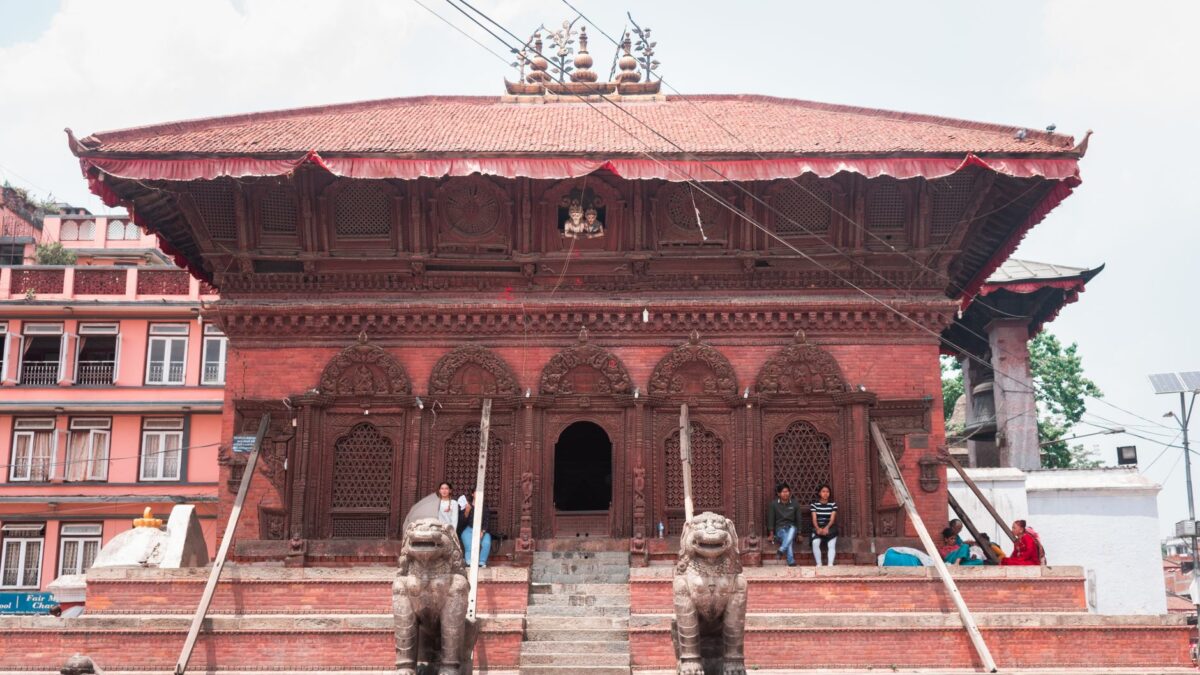
The sky over Kathmandu is doing that thing it does in late August: heavy, grey, and threatening, the air thick enough to swim through. It’s the tail-end of monsoon in Bhadra, and the city smells of wet dust and marigolds. I’m sitting at a rooftop café in Thamel—maybe Jasper Restaurant, maybe 4Stories—watching a cow amble past a fruit stall as if she owns the place. She might, actually. Today is Janai Purnima, and the streets are full of men with fresh yellow threads on their wrists, and the kitchens are bubbling with kwati, the nine-bean soup that defines this day. But I’m also thinking about the news that’s been dominating everything: the Bhotekoshi river flash flood just two days ago, the main highway north closed, helicopters buzzing over Tribhuvan Airport, families queuing at Bir Hospital. This is Nepal—a place where the sacred and the tragic, the ancient and the chaotic, are never more than a few blocks apart. And you want to visit. Good. Here’s how to do it without tripping over yourself.
When to come (and what to expect this week)
If you’re reading this in August 2026, you’ve landed in the monsoon’s tail. That means humidity that makes your shirt stick to your back by 8 a.m., short sharp downpours (I’m looking at you, 14mm of rain in 12 hours), and temperatures hovering around 21–27°C, though it feels closer to 33°C with the mugginess. The rice paddies are lush green, and the Valley is alive with festivals: Gunla’s month-long Newar observances with early-morning devotional walks, the special fair at Swayambhunath, and the cow processions of Gai Jatra that pack Durbar Square the day after Janai Purnima—eight full days of it in Bhaktapur if you like your street theatre satirical.
But for most first-timers, the best windows are October–November and March–April. That’s when the skies are clear enough to see Everest from Nagarkot (a ridge 32 km east, where the dawn panorama runs from Dhaulagiri to Kanchenjunga, if you’re lucky), temperatures are mild, and the festival calendar is stacked with Dashain and Tihar. If you come in winter (Dec–Feb), you’ll get crisp days but also the infamous valley inversion—air quality routinely pushes AQI above 200 from November through February, so bring masks. And if you come in the monsoon like now, embrace the drama: you’ll have fewer crowds, and the temples look spectacular slick with rain.
How long to stay (and where to base yourself)
Honestly, for Kathmandu Valley alone, give yourself 4–5 days. That’s enough to hit the three medieval cities—Kathmandu, Patan (Lalitpur), and Bhaktapur—do a day trip to Nagarkot, and still have time to sit in a courtyard and do nothing. If you’re adding a trek (Annapurna or Everest region), tack on another 7–14 days. But don’t be one of those travelers who skips the Valley to rush to the mountains. You’ll miss the living culture that makes Nepal what it is.
Base yourself in Thamel for convenience—it’s the tourist and trekker hub, with gear shops, rooftop bars, and guesthouses. A night in a mid-range hotel there will run you about NPR 2,500–5,000 (that’s roughly $28). Kathmandu Guest House is a classic, and Capital Boutique Hotel is a solid step up. But for a more local vibe, consider staying in Patan—the most intact of the Valley’s three medieval cities, with Newari courtyards and the finest lost-wax bronze casting in Nepal. Or Boudha if you want to wake up to the sound of prayer wheels and Tibetan monks—the great stupa there is one of the largest in Asia, and the kora path is ringed with monasteries and thangka schools.
And if you’re a digital nomad, head to Jhamsikhel (locals call it “Jhamel”)—the leafy expat strip in Lalitpur with bakeries, brunch cafes, and coworking spots. A cup of coffee there will set you back NPR 250–400 (around $2.4), which is a steal compared to New York, but prices are creeping up everywhere.
Getting around (and what to avoid)
Kathmandu’s traffic is a beast. There’s no single city-wide transit card, and public buses (like the cooperative Sajha Yatayat with its electric line) are confusing for first-timers. The practical move: download Pathao or inDrive, the local rideshare apps. They’re cheap and you don’t have to haggle. A short taxi ride’s base fare is about NPR 150–300, but taxis rarely use meters, so agree on the price first—or use the pre-paid taxi booth at Tribhuvan Airport arrivals. For the full local experience, hop a microbus for NPR 25–40 a ride. Sure, it’s an adventure with 20 people squeezed into a vehicle built for 10, but it’s also how you’ll see the real city.
A note on the flood: the Bhotekoshi river flood of 26 August has closed the main highway north of Kathmandu and triggered a massive relief operation. If you’re planning to head toward the border or the Himalayas in the next few days, check road conditions with your guesthouse. Helicopters are shuttling out of Tribhuvan Airport, so be flexible. The city itself is safe to move around, but some areas near the river could be affected. Always ask locally.
Money, SIM cards, and the paperwork nobody warns you about
Nepal runs on cash. Yes, cards are accepted in Thamel restaurants and upscale cafes, but for street food, local buses, and small shops, you need Nepalese rupees (NPR). The exchange rate is around NPR 133 per US dollar (2024) and inflation is at 2.7%, so your dollar still goes far—but not as far as it used to. A veg dal bhat set at a local eatery, which was about NPR 150 a decade ago, is now NPR 150–300 (that’s $1.7–2.5). A plate of momos from a street stall: NPR 80–250. A Newari khaja set (samay-baji-style platter) at a local restaurant: NPR 300–600. A beer like Gorkha or Khumbu Kölsch: NPR 600–750. You’ll need to budget around NPR 1,000–2,500 for a mid-range restaurant meal per person.
For cash, use ATMs at banks like Nabil, Global IME, or NIC Asia—they work with international cards. If you’re staying long-term, you can open a local savings account with your passport and visa (Global IME offers fully online opening via video KYC, and Nabil’s nBank app does digital account opening). But for most visitors, cash is king.
Your SIM card: buy a prepaid SIM at the airport or downtown from Ncell or Nepal Telecom (NTC). You’ll need your passport, and they’ll register it under your identity. A 15–30 day data pack costs a few hundred rupees and coverage is decent in the Valley, though it thins out in high mountains.
And a new one for 2026: from January 1, Nepal requires foreign nationals to register in the Foreign Nationals Management Information System (FNMIS)—you do it via the Department of Immigration mobile app or nepaliport.immigration.gov.np. You’ll get a 6-digit token and QR code that acts as your digital ID for hotels, domestic flights, and currency exchange. It’s mandatory for all foreign visitors, and phase two starts nationwide on March 1, 2026. Don’t skip it—it’ll save you headaches at the hotel check-in desk.
The handful of things you’ll wish you knew (but now you will)
Here’s the stuff I tell every friend who visits, after the pleasantries are done:
- The visa on arrival is easy, but pre-fill the form. At Tribhuvan Airport, you can get a visa on arrival for most nationalities—USD 30 for 15 days, USD 50 for 30 days, USD 125 for 90 days, paid in cash (USD or other convertible currency). Bring two passport photos and ensure your passport has 6+ months’ validity. Pre-fill the application at nepaliport.immigration.gov.np to skip the queue. SAARC citizens get 30 days free; Indians need no visa; a few nationalities (Nigeria, Ghana, Zimbabwe, Iraq, Ethiopia) must get a visa in advance from a Nepali embassy.
- Negotiate everything that moves. Touts in Thamel will follow you for blocks. Just say “no” firmly, or ignore. For taxis, always agree on the fare before getting in—and if you’re going to Bhaktapur Durbar Square, remember the foreigner ticket is NPR 1,800 (about $13). It’s worth it; the city is a living museum.
- Pashupatinath is sacred, and Hindus only inside. The most important temple in Nepal, on the Bagmati River, is a UNESCO site, but non-Hindus can’t enter the main courtyard. You can view the riverside ghats and the cremations from the other side of the river—it’s a profound, humbling experience. Don’t take photos of bodies; respect the mourning.
- The food is not just dal bhat. Yes, the classic dish is amazing (and cheap), but explore the Newari feast houses in Asan Tole—try choila (spicy grilled buffalo), bara (lentil pancakes), and end with juju dhau (the “king curd”) from Bhaktapur, which is a dessert in itself.
- Air quality in winter is no joke. If you’re coming between November and February, bring N95 masks. The valley inversion traps pollution, and it can be worse than Delhi on bad days. The locals wear them too.
- The Bagmati River is sacred, and it runs through Patan. Take a walk along its banks, but don’t be surprised by its condition—it’s been overblessed. The ghats are where cremations happen, and it’s a place of deep ritual.
Dining and unwinding: where to eat and breathe
You’ll work up an appetite. Head to Busy Bee in Thamel for a classic breakfast (they have good coffee and pancakes), or Avocado Cafe for a healthy bowl. For a rooftop experience with a view, Samaya Rooftop Garden and 4Stories are both reliable. For a quieter afternoon, escape to the Garden of Dreams—a neo-classical 1920s walled garden off Thamel, perfect for reading and espresso. And if you’re in Patan, don’t miss Yala Cafe & Coffee Shop near the Durbar Square—good coffee, and you can watch the world go by. The Himalayan Arabica Beans Coffee shop in Thamel roasts its own beans, and you’ll smell it before you see it.
And yes, there’s the Himalayan Art Festival in Babar Mahal if you’re lucky to time it—contemporary and traditional Nepali art, plus calligraphy workshops. It’s a nice counter to the bigger temples.
One more thing: in these days after the flood, you might see relief trucks and donation drives around the city. If you’re flush with rupees, throwing some change into a collection box at a teahouse is a genuinely kind gesture. Nepal has been through a lot—the earthquake in 2015, the pandemic, now this. The people are resilient, but they’ll remember your kindness. And you’ll remember Nepal forever.
Frequently asked questions
What is the best time to visit Kathmandu?
October–November and March–April offer the clearest skies and moderate temperatures. Monsoon (June–August) brings rain and humidity but fewer crowds, while winter (Nov–Feb) has poor air quality due to valley inversion.
How many days do I need in Kathmandu Valley?
Give yourself at least 4–5 days to see the three Durbar Squares, Swayambhunath, Boudhanath, and Nagarkot. Add 7–14 days if you're trekking.
Do I need to register with FNMIS as a tourist?
Yes, starting January 1, 2026, foreign nationals must register in the Foreign Nationals Management Information System (FNMIS) via the mobile app or online portal. You'll get a digital ID token and QR code for hotel check-ins and transactions.
Is it safe to travel to Nepal after the Bhotekoshi flood?
Kathmandu itself is safe, but the main highway north is closed due to flooding. Check road conditions locally and be flexible with your itinerary. The relief operation is ongoing, so avoid affected areas.
What is the visa-on-arrival process for Nepal?
Most nationalities can get a visa on arrival at Tribhuvan Airport: USD 30 for 15 days, USD 50 for 30 days, USD 125 for 90 days. Bring two photos and 6+ months passport validity. Pre-fill the form online to skip queues.


