

A first-timer’s guide to Panama
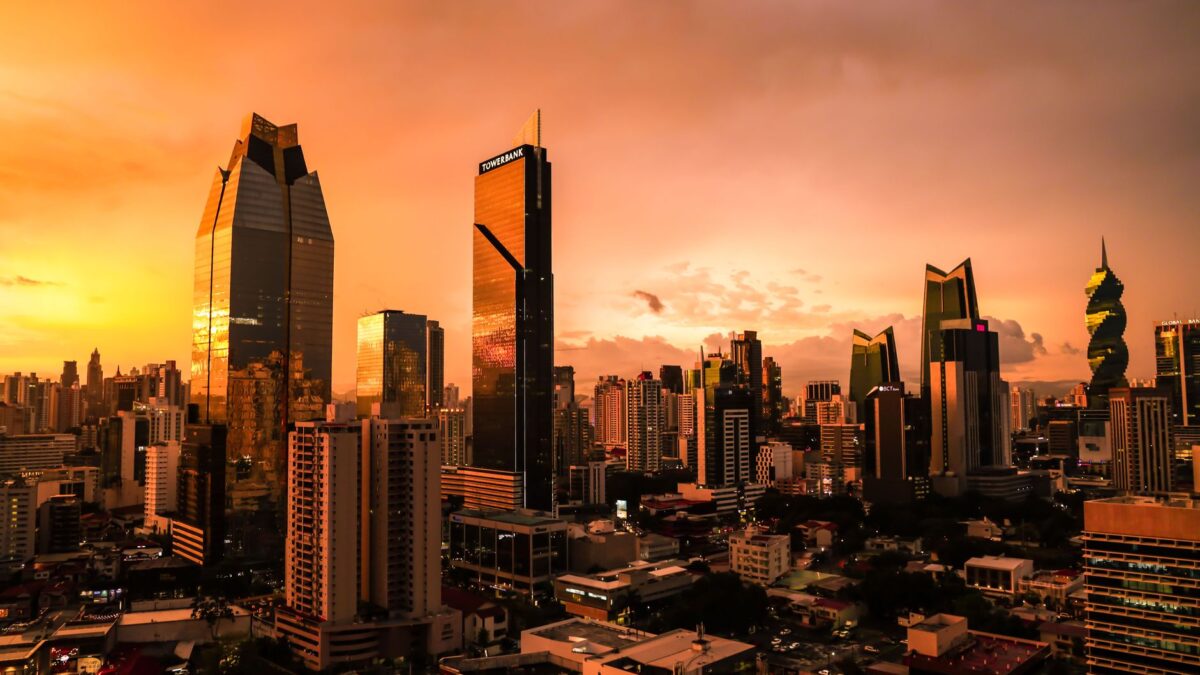
You are standing on the Cinta Costera, the shimmering waterfront promenade that cuts through Panama City like a ribbon of glass and green. The air is thick, hovering around 32°C with a humidity that makes it feel closer to 40°C, but the breeze off the Pacific is doing its best work. Below you, the skyline of modern towers rises against the backdrop of the rainforest canopy. This is not the tropical postcard you might expect; this is a city of sharp contrasts, where ancient colonial stones sit in the shadow of gleaming skyscrapers, and where the rhythm of life is dictated as much by the Panama Canal’s traffic as by the afternoon thunderstorms. If you are arriving for the first time, you need more than just a guidebook; you need a local’s lens to navigate the practicalities that trip up even seasoned travelers.
When to Go: Surviving the Dry Wet Season
Most guides will tell you that December to April is the dry season and the best time to visit. That is true, but it is also peak pricing. I am writing this from mid-September, a time when most of Central America is drowning in rain. Yet, thanks to an intense El Niño pattern, Panama City feels unusually dry right now. The rains are suppressed, leaving the city muggy rather than soaked. However, do not let the current weather fool you into thinking the rainy season is gone forever. Typically, September brings heavy afternoon downpours that can shut down traffic for hours. Water conservation is currently a major talking point here, with reservoirs like Gatún and Alhajuela running low due to these shifting climate patterns.
This water anxiety has real consequences for visitors. The Panama Canal has recently capped daily transits at roughly 32 ships, trimming Panamax lock slots significantly. If your trip hinges on watching massive container ships pass through, check the transit schedule before you book. For those who prefer a drier experience without the high-season crowds, late May or early November can offer a sweet spot, though you must pack for sudden, intense showers regardless of the month.
Where to Stay: Navigating the Districts
Panama City is not one monolithic urban sprawl; it is a collection of distinct neighborhoods, each with a different vibe and price point. Your choice of district will define your entire stay. For first-timers, Casco Viejo (Casco Antiguo) is almost mandatory. This UNESCO-listed colonial quarter, founded in 1673 after pirates sacked the original city, offers walkability scores near 92. You can wander cobblestone streets, visit Plaza de la Independencia, and enjoy rooftop bars without needing a car. However, be precise: stay within the restored core. The areas bordering it, like El Chorrillo and Curundú, are rougher and should be avoided, especially at night.
If you prefer a more functional, expat-heavy atmosphere, look toward El Cangrejo. Strung along Vía Argentina, this area is the heart of local social life, filled with Panamanian restaurants, cafés, and bars. It sits directly on Metro Line 1, making it incredibly convenient. For business travelers or those seeking luxury without the historic charm, Obarrio (the Area Bancaria) offers glass towers, embassies, and high-end dining along Calle 50. It is safe and clean but lacks soul. Meanwhile, Costa del Este, a planned ‘city within a city’ east of downtown, is widely rated as the safest area with wide sidewalks and gated communities, ideal for families or long-term stays, though it requires a car or rideshare to reach the city center.
The Practical Essentials: Money, Mobility, and Metrics
One of the great secrets of Panama is its currency. You will find no local coinage in your pocket; instead, you use the Balboa (PAB), which is pegged 1:1 to the US Dollar. In practice, you will carry US dollars exclusively. Notes are preferred over coins, and while the Balboa exists theoretically, US cents and quarters circulate freely alongside them. This simplicity is a relief, but it does mean that prices here are often higher than in neighboring Colombia or Costa Rica. Panama City is among the priciest capitals in Latin America, particularly for rent and imported goods.
However, daily survival is surprisingly affordable if you know where to look. A meal at a modest local fonda—think rice, beans, protein, and fried plantains (maduros)—will cost you about B/.4 to B/.8. A cup of specialty coffee runs around B/.1.50 to B/.30, and a local beer like Balboa or Atlas is roughly B/.1.50 to B/.2.50 at a bar. Transport is equally cheap. The Metro de Panamá is clean, efficient, and costs only about B/.0.35 per ride on Line 1. The MiBus system is even cheaper at B/.0.25. If you take a street taxi, remember there are no meters; always agree on the fare before getting in. Rideshare apps like Uber are reliable and cost roughly B/.3 to B/.5 for short trips across town.
Getting a SIM card is non-negotiable. Nearly every transaction, from booking a restaurant to paying your landlord, happens via WhatsApp. Buy a prepaid SIM or eSIM at the airport or carrier shops within your first few days using just your passport. While specific carrier names change, the key is to get connected immediately. Banking is also digital-first. If you plan to open an account, expect a compliance review taking one to four weeks. Banks like Banco General, Banistmo, and Global Bank are the standard choices, requiring your passport, proof of income, and a reference letter.
What First-Timers Wish They’d Known
There are a few cultural and logistical quirks that catch visitors off guard. First, safety is generally good, but situational awareness is key. Stick to the restored Casco core, the Cinta Costera, and well-lit residential districts. Avoid areas like Santa Ana, Calidonia, and San Miguelito, particularly after dark. Use Uber at night rather than hailing cabs on the street. Second, the pace of life can be frustratingly slow. Appointments are suggestions, and bureaucracy moves at its own speed. Patience is not just a virtue here; it is a requirement.
Another surprise is the importance of the canal beyond tourism. With President José Raúl Mulino’s administration navigating complex geopolitical pressures regarding canal sovereignty and Chinese-linked port interests, the canal is the dominant national conversation. Water levels dictate everything from shipping schedules to local water restrictions. Finally, do not miss the nature that hugs the city. Parque Natural Metropolitano is just a short drive away, offering hikes where you can spot toucans, tanagers, and howler monkeys. For a quicker fix, the Amador Causeway is perfect for cycling or walking, offering views of both the ocean and the canal locks, with pelicans nesting along the quiet stretches past the Biomuseo.
Panama City is a place of layers. It is a financial hub, a colonial treasure, and a gateway to adventure all at once. By understanding the basics—the currency, the districts, the transit—you free yourself to enjoy the magic: the taste of fresh ceviche in Casco Viejo, the thrill of a metro ride through the jungle, and the awe of standing between two oceans.
Frequently asked questions
What currency is used in Panama?
Panama uses the Balboa (PAB), which is pegged 1:1 to the US Dollar. US dollars are the de facto circulating currency, and you will rarely see local coins.
Is Panama City expensive for tourists?
It is one of the priciest capitals in Latin America, especially for rent and imports. However, local food at fondas and public transit remain very affordable, costing only a few dollars.
Which neighborhood is best for first-time visitors?
Casco Viejo is the top choice for its walkability, historic charm, and concentration of hotels and restaurants. El Cangrejo is a strong second for a more local, expat-focused vibe.
Do I need a visa to enter Panama?
Most nationalities enter visa-free for 90 days (US and Canadian citizens get 180 days). You must show proof of roughly $500 in funds and an onward ticket upon arrival.
How reliable is public transportation in Panama City?
The Metro is clean, cheap, and efficient. The MiBus system is even cheaper. Taxis have no meters, so negotiate fares upfront, while Uber provides a predictable alternative.
Things to do in Panama
 Private Fishing in the Panama Canal, Gatun Lake
 Panama Canal Zone Bike Tour By Paradox Experience
 Special offer
Day End Tour: Casco Viejo, Amador Causeway & Sabroso Panama
Special offer
Day End Tour: Casco Viejo, Amador Causeway & Sabroso Panama
 Hiking Experience in Caldera Transportation Included
 Electric Bike Rental El Valle de Antón (Best Rated Activity)
 VIP Experience Agency