

A first-timer’s guide to Senegal
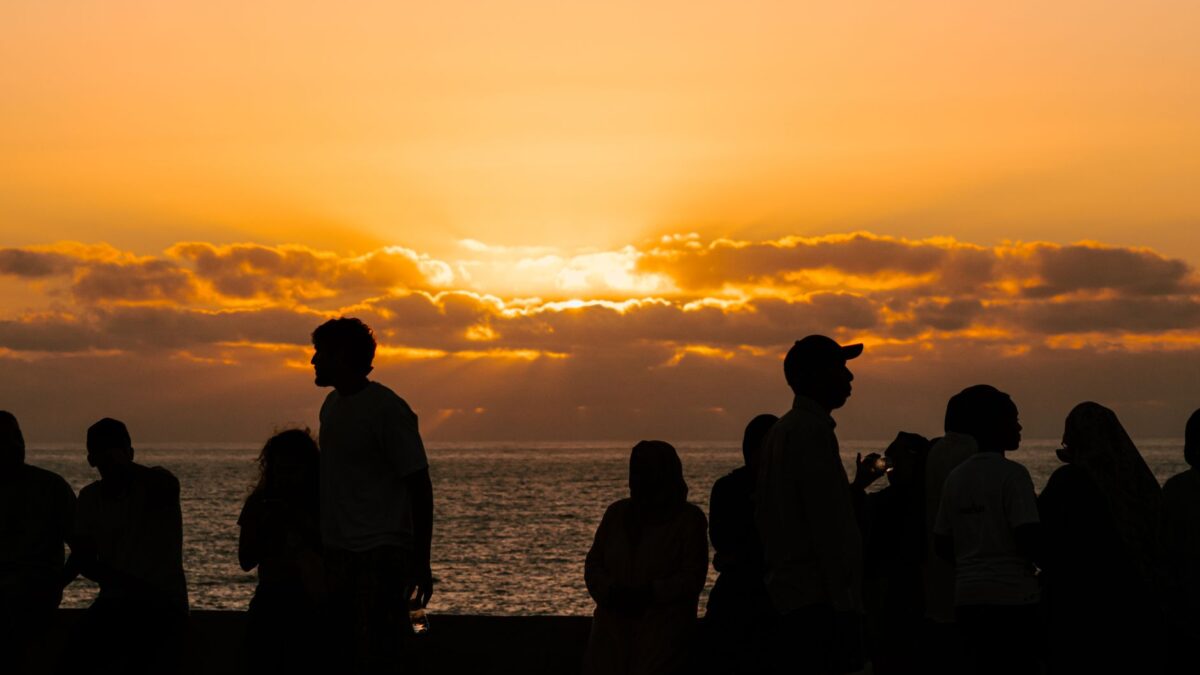
The air in Dakar is thick with the scent of grilling dibi and the salt spray from the Atlantic, but right now, it also hums with a different kind of energy. If you are arriving this week, you might be wondering if the city is too distracted by the Youth Olympic Games to welcome you. It isn’t. In fact, it’s electric. But beyond the Olympic murals and the road closures on the Corniche Ouest, Senegal remains a place of deep rhythm and warm hospitality. I am Fatou Diop, and as your guide through the heartbeat of West Africa, I want to help you navigate not just the sights, but the soul of this country.
When to Visit: The Dry Season Rhythm
You have chosen a fascinating time to arrive. The rains are over, and Dakar is settling into its dry-season rhythm. You will notice the hazy harmattan dust in the air—it coats every surface, giving the light a soft, golden filter. This is actually quite lovely for photography, especially around the African Renaissance Monument or the white sands of Ngor. The temperatures are warm, typically ranging between 26°C and 38°C, with long evenings that push social life outdoors onto the terraces of the Almadies or along the beach.
If you prefer cooler weather, the peak dry season from November to January offers the most comfortable breezes. However, avoid the rainy season (June to October) if you dislike humidity and mud; the roads can become difficult, and travel plans often get disrupted by heavy downpours. For first-timers, the window from late October to April is ideal, balancing good weather with vibrant cultural events.
How Long to Stay and Where to Sleep
I recommend staying at least four to five days to truly feel the pulse of Dakar without rushing. One day is enough for the historic island of Gorée, but the city itself deserves more time. When choosing where to stay, consider what kind of experience you want. The Plateau district is the historic downtown, filled with colonial architecture and government buildings. It is central but suffers from heavy traffic congestion.
For a quieter, more prestigious vibe with better air quality, look toward Fann or Point E, home to Université Cheikh Anta Diop and many embassies. If you want nightlife and seafood, the Almadies offer upscale restaurants and access to the surf breaks near Ngor Island. For a budget-conscious traveler, areas like Yoff or Parcelles Assainies offer much lower rents—roughly 150,000 to 350,000 XOF per month for locals—but for short-term stays, mid-range guesthouses in these areas or the Médina quarter can cost around 40,000 to 60,000 XOF per night. Remember, Dakar is among the priciest capitals in West Africa for housing, so manage your accommodation budget carefully.
Getting Around: Ditch the Informal Taxis
Navigating Dakar requires patience and strategy. While informal taxis exist, they are often unreliable and unregulated. Instead, embrace the modern transit systems. The Train Express Régional (TER) is a sleek commuter train connecting Dakar to Diamniadio. A second-class ticket costs about 500 to 1,500 XOF, while first class is around 2,500 XOF. You will need a rechargeable Carte Sama TER. Although the extension to Blaise Diagne International Airport (AIBD) is expected around mid-2026, the current line is efficient and safe.
For bus travel, the SunuBRT is an electric bus rapid transit system running on a dedicated 18.3 km corridor. It costs a flat rate of roughly 500 XOF, payable via a rechargeable card or QR ticket through the GoaMobile app. For shorter hops across town, shared taxis (the iconic yellow Peugeot vans) cost about 200 XOF, though metered private taxis will charge significantly more. Always agree on the price before getting in if you use a non-metered service. Safety-wise, Dakar is relatively stable, but watch your belongings in crowded areas like Sandaga Market or on the Corniche, and stick to licensed transport at night.
Money, Food, and Daily Essentials
The currency is the Communaute Financiere Africaine franc (XOF). As of recent data, 1 US dollar buys approximately 606 XOF. Inflation here is low, around 1.5%, which helps keep daily costs manageable. Cash is king, but mobile money is ubiquitous. Services like Orange Money, Wave, and Free Money allow you to pay for almost anything, from street food to hotel bills, using your phone. You can top up these wallets with cash at local kiosks.
Eating out is an adventure that won’t break the bank. A plate of thiéboudienne (rice and fish) or yassa (chicken with onions) at a local gargote or street stall costs between 1,500 and 2,500 XOF (about $3). If you dine in a mid-range restaurant, expect to pay 5,000 to 15,000 XOF ($16) for a main dish. Street snacks like fataya (fried pastries) are incredibly cheap, around 500 XOF. For a full meal at a market like Marché Kermel or Sandaga, budget about 1,500 XOF. Dining at well-known spots like Casa Teranga or Le Cabanon will cost more, but still reasonable compared to Western standards.
For connectivity, grab a prepaid SIM card from Orange, Free, or Expresso at the airport or official shops. You will need your passport for registration. Data bundles are affordable, and having a local number is essential for coordinating rides and payments.
First-Timer Secrets: What You Wish You Knew
First, check the visa rules carefully. Citizens of the EU, US, Canada, Brazil, Japan, and many African states enjoy visa-free entry for up to 90 days, provided you have a passport valid for six months, a yellow-fever certificate, and proof of onward travel. Note that some nationalities, such as Italians, may require a paid e-Visa as of late 2025. If you are exempt, you still need to ensure your documentation is in order.
Second, understand the political and social mood. Since the 2024 elections, there has been a strong reformist sentiment under President Bassirou Diomaye Faye. Locals are engaged and optimistic about changes in cost-of-living measures and anti-corruption efforts. Engaging respectfully with this context enriches your travel experience.
Third, don’t miss the art scene. If you are visiting after early November, the 16th Dakar Biennale (Dak’Art) opens, bringing artists and curators from across the continent. Even outside the biennale, visit the Museum of Black Civilizations in Plateau or the IFAN Museum for deep insights into African heritage. Finally, respect local customs. Senegal is predominantly Muslim; dress modestly when visiting religious sites like the Grand Mosque of Dakar or traditional neighborhoods like the Médina. A simple greeting in Wolof, “Jerejef,” goes a long way in building rapport.
Frequently asked questions
Do I need a visa to enter Senegal?
Citizens of the EU, US, Canada, Brazil, Japan, and many African states do not need a visa for stays up to 90 days. You must have a passport valid for six months, a yellow-fever vaccination certificate, and proof of onward travel. Some nationalities may require an e-Visa.
What is the best way to get around Dakar?
Use the modern public transit systems: the TER train for longer distances and the SunuBRT bus rapid transit for flat-rate fares. Avoid informal taxis at night; instead, use licensed taxis, ride-hailing apps, or the BRT network for safety and reliability.
How much does food cost in Dakar?
Street food and local gargotes are very affordable, with plates of thiéboudienne or yassa costing around 1,500–2,500 XOF ($3). Mid-range restaurants typically charge 5,000–15,000 XOF ($16) for a main dish. Mobile money services like Wave and Orange Money are widely accepted.
Is it safe to travel to Dakar?
Dakar is comparatively stable, but petty crime like pickpocketing can occur in crowded markets like Sandaga or on the Corniche. Use licensed transportation at night, and be aware that traffic safety is often a bigger daily risk than personal security.
When is the best time to visit Senegal?
The dry season from November to April offers the most comfortable weather, with temperatures between 26°C and 38°C. The period from June to October brings heavy rains and high humidity, which can disrupt travel plans.
Things to do in Senegal
 7 Days in Senegal Private Tour package
 Gorée Island - Pink Lake excursion 2 persons minimum
 Senegal private tour 7 days 6 nights-minimum 2 people to book it
 2 days Joal Fadiouth and Saloum Delta Private Tour package
 Dakar Gorée scooter immersion between sea faith and daily life
 Private Tour: Kedougou, Senegal