A first-timer’s guide to Slovakia
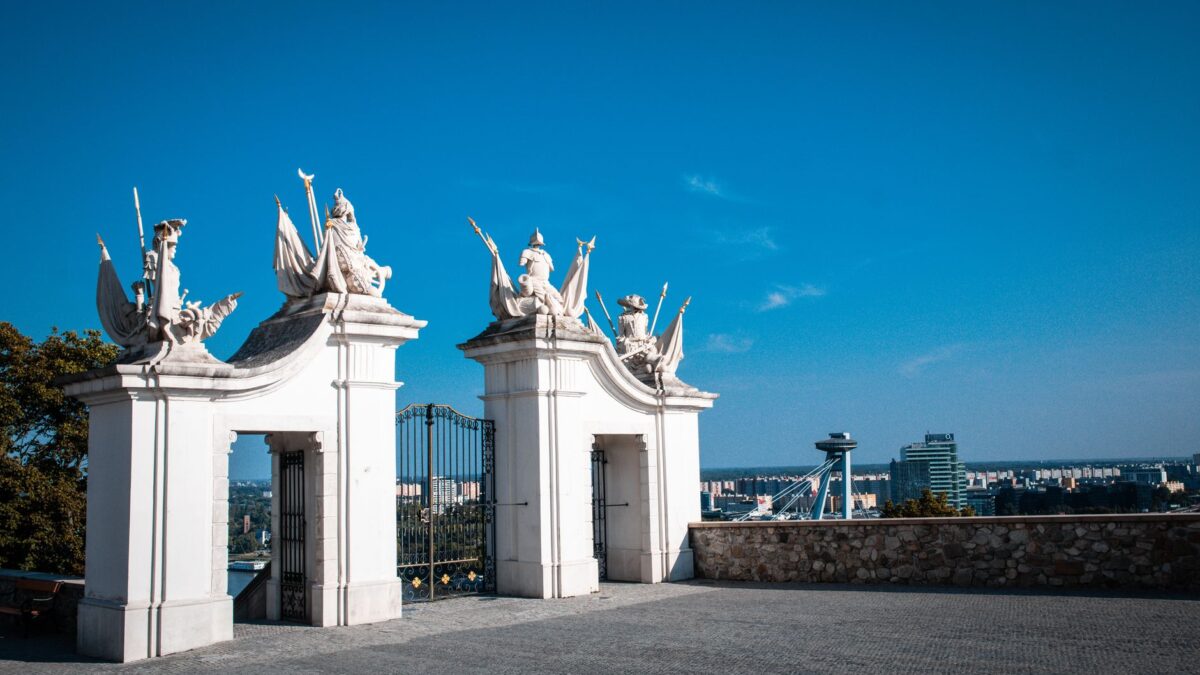
Imagine walking out of the Old Town Hall on Hlavné námestie as the autumn light turns golden. The air is crisp, hovering around 12–24°C, and the scent of roasted chestnuts mixes with the earthy aroma of burčiak—the partly fermented young wine that floods the city’s bars this time of year. You are standing in Bratislava, a capital that feels less like a transit hub and more like a living room where history, politics, and vibrant street life collide. As someone who has called this place home for years, I can tell you that Slovakia is often overlooked by travelers rushing between Vienna and Budapest. But if you slow down, you will find a country that is surprisingly affordable, deeply welcoming, and endlessly fascinating.
When to Visit and How Long to Stay
Slovakia offers four distinct seasons, but early autumn (September to October) is arguably the sweet spot. The summer crowds have thinned, the weather is mild, and the wine harvest begins in the Small Carpathian villages just north of the city. If you prefer winter magic, December brings Christmas markets to the Old Town, though January and February can be chilly and gray. Summer is pleasant but busy, while spring is unpredictable—rain is common, but the parks bloom beautifully.
For a first-timer, I recommend staying at least five to seven days. Three days in Bratislava allows you to see the castle, walk the Danube riverfront, and explore the Old Town without rushing. However, Slovakia’s true beauty lies in its nature and medieval castles. If you add two or three days, you can take a short train or bus ride to places like Banská Štiavnica, a UNESCO-listed silver mining town, or hike in the High Tatras for alpine scenery. Don’t rush; Slovakia rewards those who linger.
Getting Around: Trams, Trolleys, and Borders
Bratislava is compact and incredibly walkable. The historic core is best explored on foot, but when you need to cross the city, public transport is efficient and cheap. The network—trams, buses, and trolleybuses—is run by DPB under the IDS BK integrated system. A single 30-minute fare costs about €1.20, or roughly €1.09 if you buy it via the IDS BK mobile app. For longer stays, a monthly pass is only €40.50, which is a steal compared to Western European capitals.
If you are visiting from Vienna, the journey is seamless. Trains from Wien Hauptbahnhof to Bratislava Hlavná stanica take just one hour. Within the city, avoid driving in the Old Town; parking is scarce and expensive. Instead, use Bolt or Uber for late-night rides, especially if you are heading back from the bar strip along Obchodná and Ventúrska streets. For day trips outside the city, trains are reliable, but renting a car gives you freedom to explore the castles and forests of the Little Carpathians.
The Cost of Living: Where Your Money Goes
Bratislava has become one of the pricier capitals in Central Europe, driven largely by housing costs. Rents for a modest one-bedroom flat in the centre are around €900 per month, while outside the centre, you might find them for €710. However, as a tourist, your daily expenses remain reasonable. A meal at an inexpensive local restaurant costs about €10, and a set lunch (denné menu) at a local eatery is roughly €9—a great way to try traditional food without breaking the bank.
Drinks are reasonably priced, too. A domestic draft beer (0.5 L) in a pub is about €3.00, and a cappuccino in a café runs approximately €3.10. If you are looking for a mid-range dining experience, a three-course meal for two will cost around €60. Groceries are also affordable; a litre of milk is about €1.20, and a 500g loaf of bread is roughly €1.50. Be aware that Slovakia uses the euro (EUR), so there is no currency exchange hassle. Inflation has been around 4.0% recently, so prices feel stable but not rock-bottom cheap like they were a decade ago.
Essentials: Money, SIM Cards, and Safety
As a member of the Schengen area, Slovakia requires no visa for US, UK, Canadian, Australian, and New Zealand citizens for stays up to 90 days within any 180-day period. Note that the EU’s ETIAS pre-travel authorisation (€7) is rolling out in 2026, so check if you need to apply before departure. Always carry a passport valid for at least three months beyond your stay. If you are an EU citizen, you can enter with a national ID card.
For mobile data, local operators include Orange Slovensko, O2 Slovakia, Slovak Telekom, and the budget-friendly 4ka (SWAN). You must register your prepaid SIM with an ID at a branded shop, but eSIM options are widely available. Banking is straightforward: major retail banks like Tatra banka and Slovenská sporiteľňa (known for its ‘George’ app) serve most needs. Many expats and digital nomuls use Revolut or N26 for transfers, but opening a local account usually requires a registered address.
Safety is generally high. Bratislava is a walkable, friendly city. The main nuisances are pickpockets around Hlavné námestie and late-night noise on the bar streets. Petržalka, the massive socialist-era housing estate across the Danube, has shed its old ‘Bronx’ reputation and is now a bike-friendly, residential area with easy access to Sad Janka Kráľa park. Just use common sense, and you will feel safe everywhere.
First-Timer Mistakes to Avoid
One common mistake is assuming Bratislava is small and boring. It is rich in culture. Don’t miss the Blue Church (Kostol svätej Alžbety), a stunning Art Nouveau chapel east of the Old Town, or the UFO Bridge observation deck for panoramic views. Another error is ignoring the local cuisine. Try bryndzové halušky—potato dumplings with sheep cheese and bacon—which cost about €8–9 in a pub. It is Slovakia’s national dish, and it is delicious.
Also, do not underestimate the importance of reservations. Popular venues like Koliba Kamzík, which serves traditional food with mountain views, often require booking. Similarly, if you visit during festival season, such as the White Night contemporary-art festival or the Bratislava Music Festival, book tickets in advance. Finally, respect the quiet hours in residential areas, especially in districts like Ružinov or Nové Mesto. Slovaks value their peace, and loud behaviour after 10 PM can draw unwanted attention.
- Visit the Castle: Bratislava Castle dominates the skyline. Take the funicular or walk up from the Old Town for the best photos.
- Eat Local: Skip international chains and try Gatto Matto Panská or The Farmhouse Restaurant for modern twists on Slovak classics.
- Wine Tasting: Take a trolleybus to Rača for wine bars serving new vintage burčiak during the autumn harvest.
- Walk the River: The Danube Promenade is perfect for evening strolls, offering views of the UFO Bridge and the Austrian border.
- Use Apps: Download the IDS BK app for tickets and Google Maps for navigation; both work flawlessly in the city.
Frequently asked questions
Do I need a visa to visit Slovakia as a US or UK citizen?
No, US, UK, Canadian, Australian, and NZ citizens can enter visa-free for up to 90 days within any 180-day period. However, the EU’s ETIAS pre-travel authorisation (€7) may be required starting in 2026.
How much does public transportation cost in Bratislava?
A single 30-minute ticket is about €1.20 (€1.09 via app). Monthly passes cost €40.50, and a 24-hour ticket is approximately €4. Tickets can be bought via the IDS BK app or machines.
What is the average cost of a meal in Bratislava?
An inexpensive local meal costs around €10, and a set lunch (denné menu) is about €9. A three-course meal for two at a mid-range restaurant is roughly €60.
Is Bratislava safe for tourists?
Yes, it is generally very safe. Main concerns are pickpocketing in crowded tourist spots and late-night noise on bar streets. Violent crime is rare, and the city is walkable day and night.
What is the best time of year to visit Bratislava?
Early autumn (September–October) is ideal for mild weather (12–24°C) and wine harvest festivals. Winter is magical for Christmas markets, while summer is busy but pleasant.
Things to do in Slovakia
 Private Hiking Tour Visit to Slovakia with Licensed Guide
 Military Guns Shooting Experience with GunMates Bratislava
 5-Course Small-Group Bratislava Food Tour with Local Guide
 Bratislava Off the Beaten Path Tour - recommended also by Rick Steves
 Likely to sell out
Private Day Trip to Banska Stiavnica Unesco Site
Likely to sell out
Private Day Trip to Banska Stiavnica Unesco Site
 Kalashnikov, Pistol & Sniper Rifle Shooting in BratislavaShootingClub PLUS