

A first-timer’s guide to South Africa
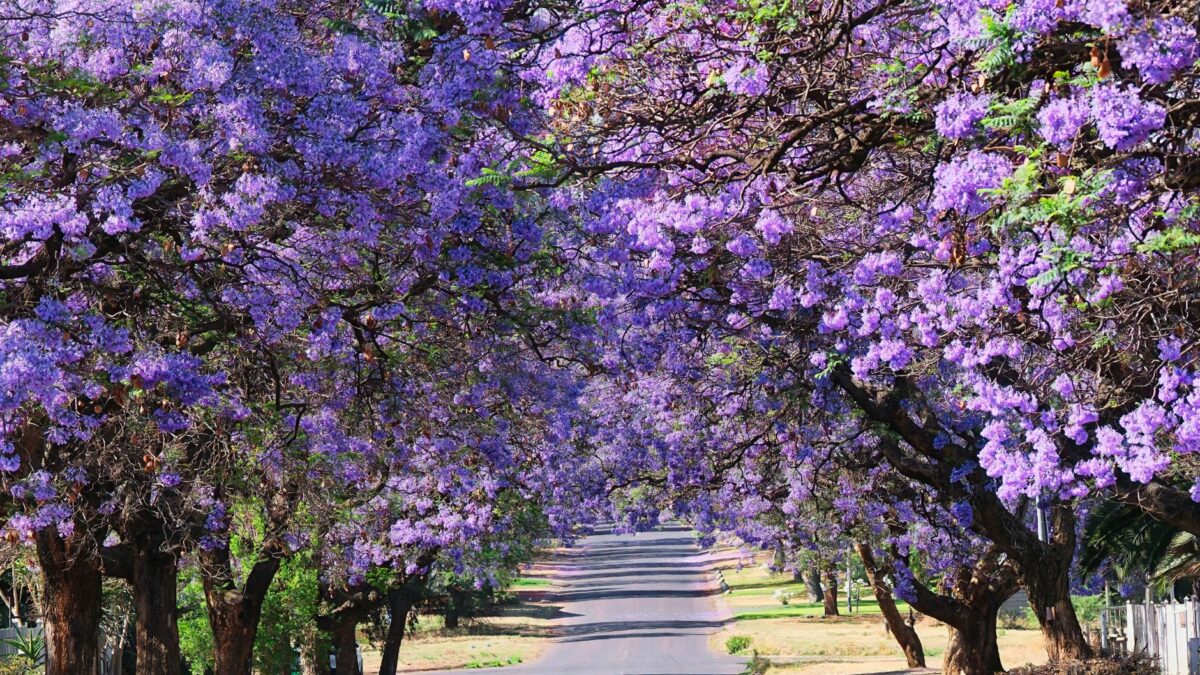
I am writing this from Pretoria, where the jacarandas are just starting to hint at their famous October purple and the air is dry and bright. Today is Heritage Day, and if you head to Loftus Versfeld’s D Field, you will witness the ‘World’s Biggest Braai’—thousands of people grilling simultaneously under a sky that is currently overcast but warming up nicely. This is South Africa in its most vibrant, communal state. If you are planning your first trip here, you need more than just a guidebook; you need the practical, lived-in details that keep travelers safe and smiling. Here is what you need to know before you land.
When to Visit and How Long to Stay
South Africa spans two hemispheres in terms of climate feel, so timing is everything. Late September, like right now, is early spring. It is one of the best times to visit: the heat of summer hasn’t arrived, the winter chill has passed, and the days are long. You can expect temperatures around 17–29°C, which is perfect for walking without sweating through your shirt. If you love flowers, wait until October when the jacarandas bloom across the country, turning cities like Pretoria into violet tunnels.
For duration, aim for at least ten to fourteen days. South Africa is large, and rushing it means seeing only airports and highway rest stops. A two-week window allows you to spend three days in Pretoria absorbing the history, four in Johannesburg for the urban energy, and then dedicate the rest to the Garden Route or Cape Town. Do not try to do everything in seven days; you will end up exhausted and disappointed.
Getting Around: The Gautrain and Beyond
Transport in South Africa requires strategy. In the Gauteng province (where Pretoria and Johannesburg sit), the single most useful tool is the Gautrain. It is fast, clean, and safe. Buy a Gautrain Gold Card—it costs about R21—and load it with at least R38. You tap in and out at stations like Hatfield in Pretoria or Park Station in Johannesburg. Contactless bank cards now work too, but the Gold Card is reliable for tourists.
Outside the train lines, rely on Uber or Bolt. They are affordable, widely available, and safer than hailing random taxis on the street. Pretoria itself is car-centric. While there are BRT (Bus Rapid Transit) systems like ‘A Re Yeng,’ they can be complex for first-timers due to ongoing construction and lane restrictions. If you rent a car, be aware that driving is on the left. Always lock your doors, especially when moving between suburbs. Avoid walking in downtown areas or parts of Sunnyside after dark; stick to well-lit, busy streets or take a ride.
Money, Costs, and Dining
The currency is the South African Rand (ZAR). As of late 2024, the rate hovered around 18.329 ZAR to one US dollar, though this fluctuates. The good news? Your foreign currency goes far. South Africa offers incredible value for food and accommodation.
For dining, you do not need to eat expensive meals to enjoy world-class cuisine. An inexpensive local restaurant meal costs about R150 (roughly $8 USD). A mid-range dinner for two, complete with three courses but no drinks, runs around R600 (about $35 USD). For a quick, iconic local experience, try a ‘kota’—a quarter-loaf of bread stuffed with chips, egg, polony, and cheese—which costs between R40 and R60 (approx. $2.70). A boerewors roll (sausage in bread) is another staple, priced around R55–R70.
If you prefer coffee, a regular cappuccino is about R38 ($2.10). Milk is roughly R21 per liter, and fresh white bread is around R19. Accommodation ranges widely; a modest guesthouse might cost R700 per night, while a mid-range hotel or boutique stay averages R1,200–R2,000 ($85+). Pretoria remains one of the more affordable major cities, but prices rise steadily each year due to inflation, so budget accordingly.
Essential Practicalities: Visas, SIMs, and Safety
Visa requirements have recently changed. Citizens of the US, UK, EU, Canada, and Australia can enter visa-free for up to 90 days. However, you must ensure your passport is valid for 30 days beyond your departure date and has at least two blank pages. Since July 1, 2026, all travelers must file a digital Traveller Declaration via the SARS/South African Traveller Management System (SATMS) before arrival. Minors require an unabridged birth certificate. Check the latest rules on VFS Global before you fly.
Connectivity is easy. Get a prepaid SIM from Vodacom, MTN, Telkom, Cell C, or Rain. Every SIM must be registered (RICA) with your passport and proof of address, which you can do instantly at any store. Prepaid data bundles are the standard way to go.
Safety is a real concern, but manageable. Most crime is opportunistic, such as vehicle break-ins in poorly lit parking lots. Many residential areas are ‘boomed’ with security gates and cameras. Be vigilant in malls and parking areas. Do not flash expensive jewelry or phones in public. Use trusted transport apps, and keep your valuables secure. The locals are generally helpful and friendly, but awareness is key to enjoying the country without fear.
Where to Stay and What to See
Pretoria offers distinct neighborhoods that cater to different vibes. For families or those who want walkability, Brooklyn is excellent. It has a strong embassy presence, reliable restaurants, and is close to Brooklyn Mall. If you are a student or young professional, Hatfield is the place to be, centered around the University of Pretoria with cheap eats and cafes. Hazelwood is the city’s ‘foodie’ quarter, known for 16th Street’s tapas bars and the weekend food market. Arcadia is central and diplomatic, quiet at night but bustling during the day near the Union Buildings.
You cannot miss the landmarks. Visit the Union Buildings, designed by Sir Herbert Baker, where Nelson Mandela was inaugurated in 1994. The terraced gardens offer panoramic views of the city. For deeper history, explore Church Square, home to the Palace of Justice (site of the Rivonia Trial) and the statue of Paul Kruger. Just south of the city, the Voortrekker Monument is a colossal granite structure commemorating the Great Trek, offering a striking rooftop view.
For nature lovers, the Pretoria National Botanical Garden is a haven with nearly 200 bird species. If you have time, drive to Freedom Park on Salvokop hill to see the Wall of Names, a moving memorial to those who died in the liberation struggles. These sites ground you in South Africa’s complex, layered history. Enjoy your trip—you will leave with a heart full of stories and a stomach full of braai smoke.
Frequently asked questions
Do I need a visa to visit South Africa?
Citizens of the US, UK, EU, Canada, and Australia do not need a visa for stays up to 90 days. However, you must file a digital Traveller Declaration via SATMS before arrival and ensure your passport has 30 days validity beyond your departure.
How much does a meal cost in South Africa?
An inexpensive local meal costs about R150 (approx. $8 USD). A mid-range dinner for two is around R600 (approx. $35 USD). Local street snacks like a kota are very affordable, ranging from R40–R60.
Is it safe to travel in Pretoria?
Yes, if you take standard precautions. Avoid walking downtown or in Sunnyside after dark. Use Uber or Bolt instead of hailing street taxis, and keep vehicle doors locked. Most crime is opportunistic, so vigilance in parking lots is key.
What is the best way to get around Johannesburg and Pretoria?
The Gautrain rail system is the fastest and safest option between major hubs. Use a Gautrain Gold Card or contactless bank card. For shorter trips or areas outside the rail network, use ride-hailing apps like Uber or Bolt.
When is the best time to see the jacarandas?
The jacaranda trees typically bloom in October. Late September is also a great time to visit, as the weather is mild (17–29°C) and the city is preparing for the spring blooms.
Things to do in South Africa
 India Venster: sensational half-day route up Table Mountain
 Cape Peninsula & Penguins Private Day Tour, Entrances Included.
 Table Mountain Private Hike Tour of Kasteelpoort Route from Cape Town
 Private Full Day Safari (10 hours) in Kruger National Park
 Open Vehical Safari in Kruger National Park Half Day
 HIKE Cape Town-South Africa With a Private Guide