

A first-timer’s guide to South Korea
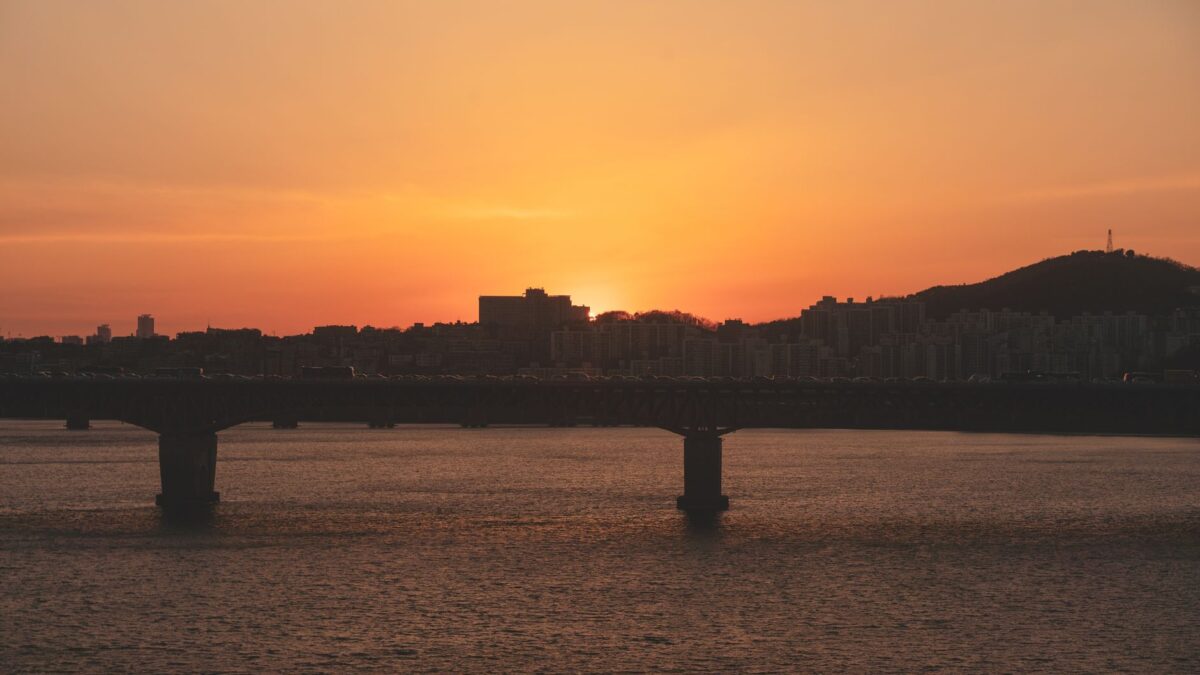
You step off the plane in Incheon and the first thing that hits you isn’t just the humidity or the noise—it’s the sheer, vertical energy of a city that refuses to sleep. Seoul is a place where ancient stone walls sit comfortably next to glass skyscrapers, where the scent of roasting chestnuts mixes with the ozone of high-speed trains, and where the past is never more than a bus ride away from the future. As your local host, I want to make sure your first trip here feels less like a checklist and more like coming home. This guide strips away the tourist traps and gives you the practical essentials I wish I had known when I first arrived.
When to Go and How Long to Stay
The absolute best time to visit South Korea is early October. If you are reading this now, you are picking up on why: the air is crisp, the sky is a piercing blue, and the humidity of summer has finally broken. Right now, temperatures hover around 12–22°C, which is perfect for walking. You will see chestnuts, persimmons, and chrysanthemums appearing in markets, signaling the start of autumn. Just be aware that peak foliage—the famous red and gold leaves—is still a few weeks away, so the colors are just beginning to turn.
For duration, ten days to two weeks is the sweet spot. It allows you to cover Seoul thoroughly without rushing, plus a day trip to Gyeongju or a weekend in Jeju Island if you have the time. Don’t try to do too much. The subway system is so efficient that you can easily hop between districts in minutes, but you need time to just sit, eat, and absorb the rhythm of the streets.
Getting Around and Money Matters
Forget about renting a car. Seoul is a metro city, and its public transport network is world-class. Your first purchase upon arrival should be a T-money card. You can grab one at any convenience store for about ₩2,500–₩4,000. Once loaded, it works on all subways and buses. The base fare for an adult using a transit card on the subway (for trips under 10 km) is roughly ₩1,550. If you pay cash for a single ride ticket, expect to pay slightly more, around ₩1,650. Buses are similarly priced at about ₩1,500.
If you plan to use public transport extensively, look into the short-term Climate Card passes available for tourists—1-day passes cost around ₩5,000, while a 5-day pass is about ₩15,000. For longer stays, residents use the Climate Companion Card Plus, but tourists stick to these shorter options. Always tap in and out; the system calculates fares based on distance and transfer discounts.
Cash is becoming less common, but having some won on hand is essential for street food stalls and traditional markets. The currency is the South Korean won (KRW). As of recent data, the exchange rate sits around 1,363 KRW per US dollar, though this fluctuates. Inflation is currently low at about 2.1%, meaning prices are relatively stable compared to other global hubs. However, dining-out costs have risen by roughly 3–5% over the past year, so keep an eye on your budget.
Districts to Know and Where to Eat
Seoul is made of distinct neighborhoods, each with its own soul. Start in Jongno. This is the historical heart. Visit Gyeongbokgung Palace, the grand main palace of the Joseon dynasty, built in 1395. Be sure to catch the royal guard-changing ceremony at Gwanghwamun gate. Just nearby, walk through Bukchon Hanok Village to see traditional tiled roofs, then head to Insadong for tea and crafts. Note that many palaces close on Tuesdays, so plan accordingly.
Next, cross the river to Gangnam. This is the corporate, luxury side of Seoul. Home to the COEX mall and the Starfield Library, it’s also the center of K-pop culture. The subway interchange here is the busiest on Line 2, so watch your step. For something edgier, go to Hongdae. This area revolves around Hongik University and pulses with youth culture. On weekends, the walking street fills with buskers and indie bands. Grab a drink at a late-night bar and feel the electric energy of the students.
Food is the easiest way to connect with the city. Street food is cheap and delicious. A roll of gimbap (seaweed rice roll) costs about ₩3,700, while tteokbokki (spicy rice cakes) runs ₩3,000–₩5,000. For a proper meal, head to Gwangjang Market. Try the bindaetteok (mung-bean pancakes) and mayak gimbap. A bowl of jajangmyeon (black-bean noodles) is around ₩7,500–₩7,700, and a kimchi jjigae set meal is roughly ₩8,500–₩8,700. If you want grilled pork belly (samgyeopsal), a mid-range serving of 200g costs about ₩20,000. These prices are competitive, especially considering the GDP per capita is $36,227.
Practical Essentials: SIM Cards, Banking, and Safety
Your phone is your lifeline. Most Western passport holders (US, UK, EU) enter visa-free for up to 90 days, but you must check if you need a K-ETA approval online before flying—it was reinstated as mandatory in 2025. Book this before you buy your hotel. Upon arrival, buy a prepaid SIM at Incheon Airport from KT, SK Telecom, or LG U+. Alternatively, eSIM providers like EG SIM or Chingu Mobile offer unlimited data for about ₩25,000–₩60,000 per month. A Korean number is critical because banks, KakaoTalk, and delivery apps verify via SMS.
Banking is tricky for newcomers. You generally cannot open an account with just a passport until you have an Alien Registration Card (ARC). If you stay 90+ days, you must get an ARC within 90 days by booking an appointment on the HiKorea portal. The fee is ₩30,000, and you’ll need photos and address proof. Until then, foreigner desks at banks like KEB Hana (in Myeongdong) or Woori Bank (in Itaewon) might help, but debit cards arrive by mail later. Apps like Toss Bank and KakaoBank usually require an ARC.
Safety is excellent. Violent crime is very low, and streets feel safe at night. However, be wary of online shopping scams or phishing attempts targeting newcomers. Watch out for delivery scooters on sidewalks—they move fast. Emergency numbers are 112 for police and 119 for fire/ambulance. Garbage sorting rules are enforced seriously; throwaway trash incorrectly and you may face fines.
Local Insights and Current Events
As a resident, I notice things tourists miss. Right now, Seoul is buzzing with events. The Seoul Light Hangang Bitseom Festival is turning Nodeul Island into a laser-art landscape, drawing huge evening crowds. If you’re near the Han River, check out the Car-Free Jamsugyo Bridge Festival on Sundays, which closes the bridge to traffic for food trucks and yoga. Also, keep an eye on transit news: negotiations between Seoul Metro management and unions are ongoing, and while peak hours are protected, daytime strikes are a possibility. Check real-time updates before traveling.
Don’t miss the cultural nuances. The mood in 2026 is steady after recent political shifts, but housing costs remain a hot topic. Embrace the café culture—visit Rewire Coffee or Sim Coffee House for a quiet break. And if you’re lucky, you might catch the autumn Hangang River Festival with free picnic concerts. Seoul is a city of layers. Peel them back slowly, eat well, and let the city surprise you.
Frequently asked questions
Do I need a visa to visit South Korea?
Most Western passport holders (US, UK, EU) can enter visa-free for up to 90 days, but you must obtain a K-ETA approval online before flying, as it was reinstated as mandatory in 2025.
How much does a meal cost in Seoul?
Street food like gimbap or tteokbokki costs around ₩3,000–₩5,000. A sit-down meal like jajangmyeon is roughly ₩7,500–₩7,700, while a BBQ dinner might be around ₩20,000.
What is the best way to get around Seoul?
Use the subway and bus system with a T-money card. The base fare is about ₩1,550. Short-term Climate Card passes are also available for tourists, costing ₩5,000 for one day.
Can I open a bank account as a tourist?
Generally, no. You need an Alien Registration Card (ARC) for most digital banks. Some physical branches like KEB Hana or Woori have foreigner desks, but full access usually requires residency status.
Is it safe to walk around Seoul at night?
Yes, violent crime is very low. However, stay alert for delivery scooters on sidewalks and be cautious of online scams targeting newcomers.
Things to do in South Korea
 Busan Small Group Guaranteed Sky Capsule with Door To Door Pickup
 Private DMZ Tour with North Korean Defector + N Korean Lunch
 Likely to sell out
Royal Seoul Cooking Class in a 100-Year-Old Hanok
Likely to sell out
Royal Seoul Cooking Class in a 100-Year-Old Hanok
 Seoul Vegan & Vegetarian Gwangjang Market Food Tour (11 Tastings)
 Make Traditional Korean Rice Wine (Makgeolli)
 Private Seoul or DMZ Tour