

A first-timer’s guide to Switzerland
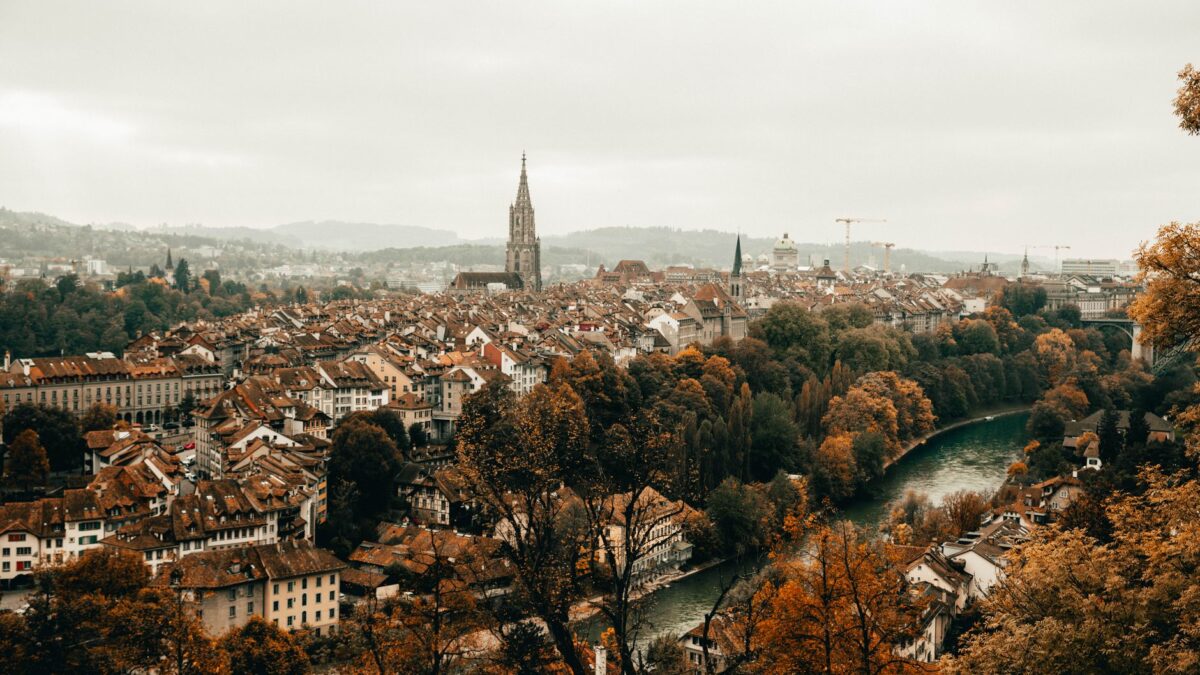
I remember the first time I stood on the Rosengarten at sunset, watching the golden light hit the sandstone arcades of Bern’s Old Town. The Aare river below was a ribbon of turquoise, and for a moment, the rest of the world just fell away. Switzerland isn’t just postcards; it is a sensory experience of crisp air, precise timing, and a lifestyle that values quality over speed. If you are planning your first trip here, let me walk you through the practicalities so you can spend less time worrying about logistics and more time floating down the Aare.
When to Visit: Chasing the Light
The best time to visit depends entirely on what kind of Swiss experience you crave. Early September, which I consider the city’s secret sweet spot, offers a bittersweet tail end of summer. The weather is mild, typically hovering between 13–21°C, though you should pack for rain showers—there are often around 12mm of rain spread over ten hours in this season. It is the perfect temperature for hiking without the midday heat or the winter chill.
If you visit in early September, you catch the local culture in transition. The open-air bars along the river are still busy but packing away, while the first hearty autumn dishes like Berner game and Metzgete appear on menus. You might even witness the Sichlete, a traditional harvest procession where flower-crowned alpine cattle parade through the Bundesplatz, marking the turn toward autumn. Winter is magical for skiing in the Bernese Oberland, but be aware of avalanche risks. Summer is peak tourist season, so if you want quiet, aim for the shoulder months of May or September.
Getting Around: Trams, Trains, and Walking
Switzerland’s public transport is legendary for a reason. In Bern, the city runs on Bernmobil, with five tram lines and buses crisscrossing the districts. For a visitor, navigating the Libero tariff zones (100/101) covers the city center easily. A single fare costs roughly CHF 2.60–4.40 depending on the zones, which is surprisingly reasonable given the efficiency. If you plan to explore beyond the capital, the SBB national rail network connects you to Lake Thun, Interlaken, and the mountains in under an hour.
For long-term stays, locals use the annual Libero city pass, which runs about CHF 780, or the GA Travelcard for unlimited travel across the entire country. But honestly? Bern’s UNESCO-listed Altstadt is best explored on foot. The six kilometers of sandstone arcades, known as Lauben, protect you from rain and sun alike. You will find yourself wandering past the Zytglogge clock tower every hour, mesmerized by its animated mechanical figures. Just remember: traffic lights change for pedestrians in almost every direction, so take your time crossing the cobblestones.
Money Matters: The Cost of Quality
Let’s address the elephant in the room: Switzerland is expensive. The currency is the Swiss franc (CHF), and with an exchange rate of roughly 0.88 per US dollar, your purchasing power will feel constrained. However, there are ways to manage your budget without sacrificing the experience. Dining out can be pricey, but studies suggest Bern is one of the more affordable cities relative to local wages when it comes to food. A filling daily lunch menu at an inexpensive local spot will cost you about CHF 20–24. This is your best friend for staying sane financially.
A meal at a mid-range restaurant, however, will run you CHF 45–55 per person. Drinks add up quickly; expect to pay around CHF 7–8 for a local beer at a bar, or CHF 5.30 for a simple cup of coffee. Even small things like a loaf of bread (CHF 3–4) or a liter of milk (CHF 2.10) reflect the high standard of living. Accommodation follows suit; a night in a mid-range hotel or guesthouse is roughly CHF 180–250. If you are looking for a monthly rental, a modest one-bedroom flat averages CHF 1,400–1,550. Pro tip: Book museums like the Kunstmuseum Bern or the Historisches Museum in advance, as entry fees typically range from CHF 12–20.
Essentials: SIM Cards, Safety, and Registration
Before you land, ensure your phone is ready. Prepaid SIM cards and eSIMs are widely available from the big three providers—Swisscom, Salt, and Sunrise. You can buy one at the airport or any shop with just your passport. Monthly plans for mobile data generally cost around CHF 20–30. Digital banking options like Yuh and Neon are popular among younger residents, though traditional banks like UBS, PostFinance, or the Berner Kantonalbank (BEKB) dominate the landscape. Opening a full account requires a residence permit and proof of address, so tourists usually stick to debit cards or travel money.
Safety is rarely a concern. Bern consistently ranks high on the Global Peace Index, with safety scores in the low 90s. Normal city awareness suffices, but do respect nature: the Aare current is strong and has claimed swimmers who underestimate it. Also, note that Switzerland is in the Schengen Area, allowing most visitors visa-free entry for up to 90 days within any 180-day period. If you stay longer, you must register at the local Einwohnerdienste within 14 days.
Things First-Timers Wish They’d Known
First, embrace the ‘Aareschwimmen.’ Locals float down the Aare river on their backs, using only their feet to steer. It is not just a swim; it is a social ritual. Grab a drink at Marzili lido before joining the drift. Second, don’t skip the BearPark. Bears have been kept here since the 16th century, and seeing these gentle giants against the backdrop of the Old Town is oddly moving. Third, visit the Einstein-Haus at Kramgasse 49. It was here, in a modest flat, that Albert Einstein wrote his revolutionary 1905 papers while working at the patent office.
Finally, look up. The Berner Münster, Switzerland’s tallest church, dominates the skyline. Climbing the 344 steps to the top rewards you with a view that stretches to the Alps on clear days. And if you are visiting in September, check the calendar for events like the Musikfestival Bern or the Sustainability Days at Bahnhofplatz, where the main station closes to traffic for street food and live music. Switzerland rewards those who slow down. Put away the checklist, buy a good map, and let the rhythm of the trams guide you.
Frequently asked questions
Is Switzerland expensive for tourists?
Yes, Switzerland is costly due to the strong Swiss franc (CHF). Expect to pay around CHF 20-24 for a local lunch menu, CHF 45-55 for mid-range dining, and CHF 180-250 per night for mid-range hotels.
How do I get around Bern efficiently?
Use the Bernmobil tram and bus network within Libero tariff zones 100/101. Single fares cost roughly CHF 2.60-4.40. The historic Old Town is best explored on foot via its covered arcades.
Do I need a visa to visit Switzerland?
Most visitors enter visa-free for up to 90 days in any 180-day period as Switzerland is in the Schengen Area. Longer stays require a residence or work permit from Swiss authorities.
What is the best time to visit Bern?
Early September offers mild weather (13-21°C) and fewer crowds, coinciding with local harvest festivals like the Sichlete. It is the tail end of summer before the autumn chill sets in.
Can I swim in the Aare river in Bern?
Yes, 'Aareschwimmen' is a beloved local tradition. You can launch from Marzili lido, but be cautious of the strong current, which poses seasonal risks to inexperienced swimmers.
Things to do in Switzerland
 Best of Bernese Oberlands from Luzern
 Luzern / Lucerne Professional Paragliding Tandem Flights
 Likely to sell out
Alsace wine tour and medieval villages. Small group guided tour
Likely to sell out
Alsace wine tour and medieval villages. Small group guided tour
 Vine Stories: Lavaux & Lutry wine walk
 3 Hour Unique Wine Tour - Half Day in Swiss Alps
 Lake Luzern pick and mix Tour - Burgenstock, Rigi Seebodenalp and Luzern