

A first-timer’s guide to Turkey
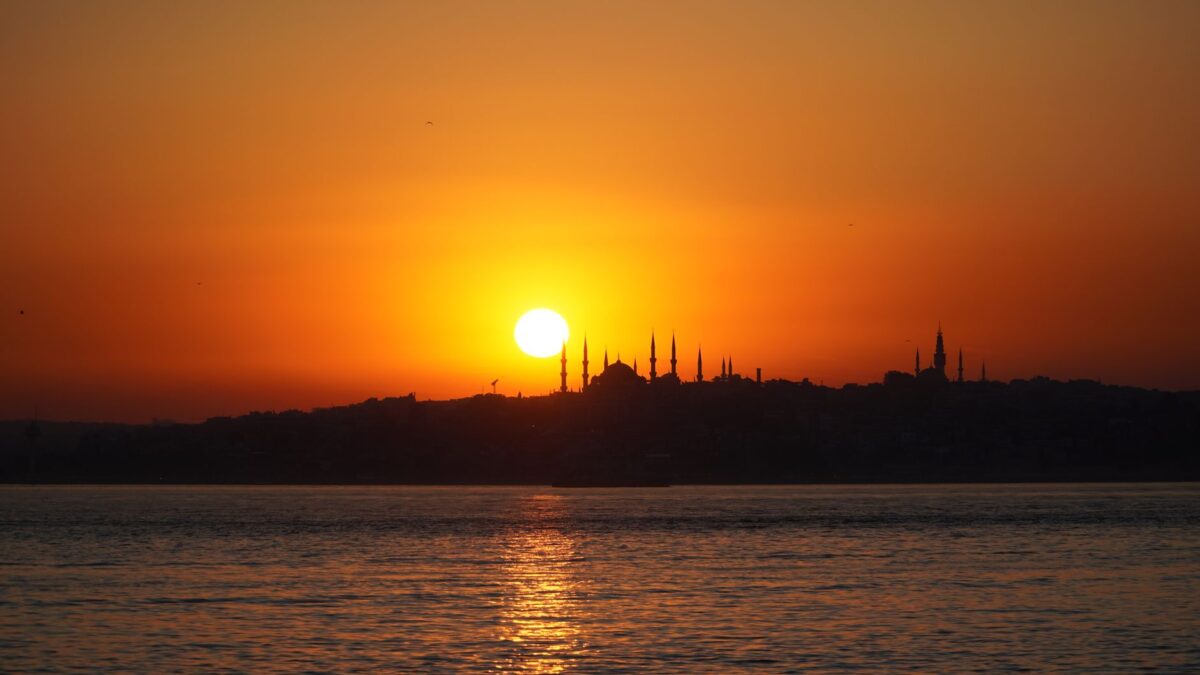
I remember the first time I stepped out of Ulus station in Ankara and felt that distinct, biting chill. It wasn’t just the cold; it was the silence of a city shedding its leaves while the wind swept down from the Anatolian plateau. Early November here is a transition period—dusk arrives by mid-afternoon, wood smoke hangs in the bowl of the valley, and the streets are lined with carts selling roasted chestnuts alongside piles of quince and pomegranate. If you are planning your first trip to Turkey, you might immediately picture Istanbul’s Bosphorus or Cappadocia’s balloons. But starting in Ankara, or even using it as a hub, gives you the unvarnished, authentic heart of the country. This guide cuts through the tourist noise to give you the practical essentials for navigating this vast, complex nation.
When to Visit and How Long to Stay
Turkey is geographically diverse, meaning the “best” time depends entirely on where you’re going. However, if you are visiting in late autumn, like now in November, you are entering the quieter, more atmospheric season. In Ankara, temperatures hover around 10–17°C, often with rain showers. It is not beach weather, but it is perfect weather for museums, indoor markets, and long conversations over tea without the summer crowds.
For a first-timer, I recommend staying at least ten days. You need three to four days for Istanbul to absorb the scale of Hagia Sophia and the Grand Bazaar, two days for a day-trip to Ephesus near Izmir, and three days for the surreal landscapes of Cappadocia. The rest can be spent in Ankara or coastal towns depending on the season. Avoiding the peak summer months (July-August) means better prices and a more relaxed pace, though you must pack layers if you visit the central plateau in winter.
Getting Around: Trains, Planes, and Buses
Turkey has an excellent network of intercity buses (known as otobüs) and high-speed trains (YHT). For long distances, the bus companies like Metro, Kamil Koç, and Pamukkale are comfortable, clean, and cheap. They are the lifeblood of domestic travel. The YHT connects Ankara, Istanbul, and Izmir efficiently, but book tickets in advance via the official TCDD website.
Inside cities, public transit is affordable but can be confusing. In Ankara, for example, a single city transit fare for bus, metro, or Ankaray is about ₺40 (roughly $1.2). A monthly unlimited pass for students runs around ₺650/month (≈ $20), which is a steal if you are staying longer. Be aware that technical faults can occur; recently, riders have faced disruptions at stations like Necatibey, forcing substitute buses. Always check local news apps before relying solely on the metro during rush hour. In Istanbul, buy an Istanbulkart immediately upon arrival—it works on metros, trams, ferries, and buses, saving you from fumbling for cash.
Money, Costs, and Dining
The currency is the Turkish lira (TRY). As of late 2024, the exchange rate has been volatile, hovering around 32.806 per US dollar, with inflation running at roughly 34.9%. While this sounds alarming, it means your foreign currency goes surprisingly far, provided you eat like a local. Living costs are climbing steeply—rents were up ~21% year-on-year in some areas—but tourism remains relatively accessible.
Eating out is where you will find the best value. A meal at an inexpensive local pide or kebab place costs about ₺200–400 (≈ $9) per person. Try lahmacun, a thin flatbread topped with minced meat, which averages ₺205 per piece in Ankara. If you want to stay overnight, a night in a mid-range hotel or guesthouse double room typically costs between ₺2,000–3,500 (≈ $85). For those considering a longer stay, a modest one-bedroom flat in the city centre rents for around ₺36,024 (range ₺30,000–50,000), which is approximately $1,100 monthly. Note that Ankara remains cheaper than Istanbul or Izmir, but prices are rising quickly, so these figures can go stale fast.
Essential Tips for First-Timers
Dress Modestly: When visiting mosques, women should cover their heads, shoulders, and knees. Scarves are usually available at the entrance, but bringing your own is respectful. Even in secular cities like Ankara, dressing conservatively helps you blend in and shows respect for local norms.
Haggling is Expected: In bazaars and small shops, the initial price is rarely the final price. Start at half the asking price and negotiate with a smile. In supermarkets and restaurants, prices are fixed.
Water Safety: Tap water is generally not recommended for drinking. Buy bottled water or use filtered dispensers available in many hotels and offices. Ice in reputable establishments is usually safe, but err on the side of caution.
Tipping: Tipping is appreciated but not mandatory. In restaurants, leaving 5-10% is common if service isn’t included. For taxi drivers, rounding up the fare is standard practice.
Where to Eat, Drink, and Explore
If you find yourself in Ankara, don’t skip the cultural depth. Start at the Museum of Anatolian Civilizations, one of the world’s greatest repositories of ancient artifacts. Afterward, walk up to Anıtkabir, the mausoleum of Mustafa Kemal Atatürk. It is a profound experience, especially at sunset when the flags flutter against the grey sky.
For dining, try Göksu Restoran – Nene Hatun for traditional flavors, or Louise Cafe Brasserie & Loft for something more modern. Coffee culture is huge here; Ameile’s Garden and Verte Coffee House are excellent spots to people-watch. If you prefer historic ambiance, Grand Hamit Hotel offers a stunning Ottoman-style lobby for afternoon tea.
In November, keep an eye on local events. The 30th International Ankara Jazz Festival opens its 30th-year edition with the Richard Baratta Quartet at the Ankara HiltonSA, playing venues across the city including Samm’s Bistro and IF Performance Hall. Also, check out Ulucanlar Sanat Sokağı, the old prison-turned-art street. Altındağ Belediyesi often launches free workshops there—wood carving, çini (tile work), calligraphy, and copper relief—but quotas are tiny (2–5 people), so you must phone the individual artists directly to book. It’s a rare chance to create something with your hands in a space steeped in history.
Turkey is a country of contrasts: ancient and modern, East and West, chaotic and serene. By preparing for the practicalities—money, transport, and etiquette—you free yourself to enjoy the magic. Whether you’re sipping tea in a İstiklal Street café or watching the sunrise over Goreme, you’ll find that Turkish hospitality is real, warm, and unforgettable. Safe travels.
Frequently asked questions
How much does a meal cost in Turkey?
A meal at an inexpensive local restaurant costs around ₺200–400 (approx. $9). A popular dish like lahmacun averages ₺205 per piece.
Is public transportation expensive in Turkey?
No, it is very affordable. In Ankara, a single transit fare is about ₺40 ($1.2). Student monthly passes are around ₺650 ($20).
What is the best time to visit Turkey?
Spring (April-June) and Autumn (September-November) offer mild weather and fewer crowds. Summer is hot and busy, while winter is cold, especially in central regions like Ankara.
Do I need to tip in Turkey?
Tipping is appreciated but not mandatory. Leaving 5-10% in restaurants and rounding up taxi fares is standard practice.
Can I drink tap water in Turkey?
It is generally recommended to avoid tap water. Stick to bottled water or use filtered dispensers found in many hotels and public buildings.


