

A first-timer’s guide to Uganda
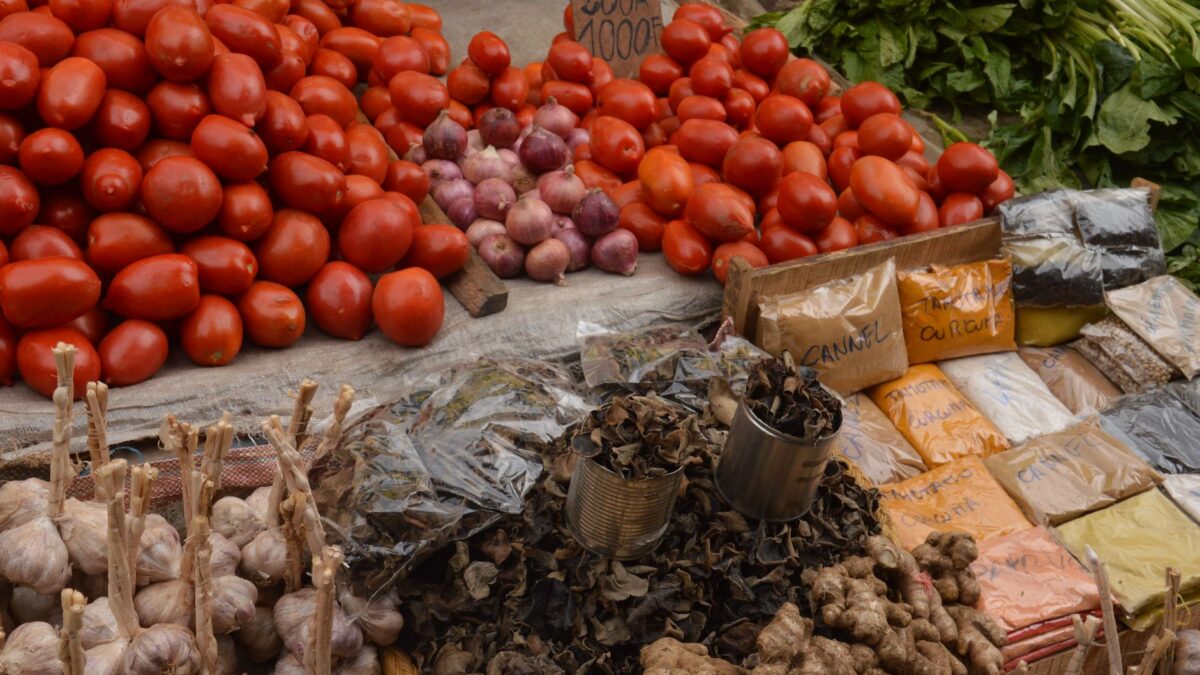
The rain was already tap-dancing on the tin roofs of Makindye when I landed in Kampala, and by the time I’d reached my guesthouse in Ntinda, the city had turned that deep, bruised grey-green it wears in early August. The air smelled of wet earth, fried chapati, and exhaust — and someone outside was arguing about the LC1 elections over a phone. This is Kampala: a seven-hilled, traffic-choked, utterly alive city where a million small dramas play out under your nose. If you’re coming for the first time, you need to know how to move through it without tripping over the potholes — literal and metaphorical.
When to come, and how long to stay
Right now, in mid-August 2026, you’re stepping into the onset of the rainy season. The forecast for Kampala today is a modest 18–27°C that feels like 30°C once humidity wraps around you like a wet blanket. Expect light drizzle that can linger for hours — today it’s 1mm over five hours — and carry an umbrella even when the sky looks innocent. The city is at its most photogenic in this grey-green light, but also its most clogged, as garbage heaps in low-lying suburbs like Bwaise and Kawaala grow while KCCA races to clear them before the real downpours hit.
For a first visit, I’d say give yourself at least seven to ten days. That’s enough for two full days in Kampala, a day trip to the equator or Mabira Forest, three days for the gorilla trek in the west (you’ll need to book your permit months ahead), and a day to recover from the traffic. If you only have a weekend, you’ll see the city centre, a few markets, and spend the rest in a taxi jam — so do yourself a favour and don’t rush.
Getting around: matatus, boda bodas, and the new e-bus
Kampala’s transit is a chaotic, wonderful beast. The everyday workhorse is the matatu — a shared minibus that runs city routes for about 1,000–2,000 UGX (that’s roughly 40 cents US, laughably cheap). You’ll hear them called “taxis,” and they’ll pick up and drop off anywhere along the route, so just shout your stop. For more comfort, grab a boda boda (motorcycle taxi) for 2,000–5,000 UGX per short city ride — but use the apps, SafeBoda or Uber, so the driver is tracked. Hand on your phone, bag cross-body, and never, ever dangle your phone on the side of the road; phone-snatching from boda riders is the top petty crime here.
New in 2026: Kampala’s first contactless transit card, the KaCyber Go Card, works on Kiira Motors’ Kayoola EVS electric buses (the E-Bus Xpress). Fixed cashless fares run, for example, City Square–Ntinda at 1,500 UGX, paid via MTN MoMo merchant 594434 or Airtel Money code 4405648. It’s still a small fleet, but it’s the future of the city — if you see one, hop on for a smooth, quiet ride above the old bangers. Just be ready for the 16 months of road chaos ahead: KCCA started rehabilitating seven city roads on August 5, including Yusuf Lule Road, Gaddafi Road, and Bombo Road II (Wandegeya–Bwaise). Expect closures, diversions, and jams that turn a 15-minute drive into an hour. Timing is everything: leave early, always.
Money matters: cash, mobile money, and what things cost
The currency is the Ugandan shilling (UGX), and at last check it hovers around 3,757 UGX per US dollar. Inflation is tame at 3.6%, but your wallet will still fill with zeroes. For daily spending, think in hundreds and thousands. A rolex — the street staple of chapati wrapped around a fried egg and veg — costs 1,500–2,000 UGX (about $0.50), and a matooke rolex (green banana mash rolled in chapati) goes for around 3,000 UGX. A full plate of matooke with beef or groundnut stew at a local eatery will set you back 5,000–10,000 UGX ($2ish), while a mid-range restaurant meal runs about 17,500 UGX ($5). A cup of coffee at a café? Around 4,000 UGX ($1.10).
But here’s the thing: cash is not king — mobile money is. MTN MoMo and Airtel Money are the backbone of every transaction. You’ll see everyone from street vendors to high-end restaurants offer mobile-money payments. Open an account at a major bank (Stanbic, Absa, Standard Chartered, dfcu, or Centenary) with your passport and residence permit, but honestly, most expats live on MoMo. For large cash needs, ATMs are everywhere, and the exchange rates at forex bureaus in Nakasero or Kololo are fair. Just don’t flash large bills — keep it low-key.
One caution: staple food prices are creeping up. A bunch of matooke at Nakasero Market has climbed from around 25,000 UGX to 30,000–50,000 UGX due to dry spells. The rolex remains the cheap constant of the streets — enjoy it guilt-free.
Where to base yourself and what to see
Kampala’s districts each have a personality. Kololo is the posh hill — embassies, Acacia Mall, upscale dining, and the Uganda Golf Club. Nakasero is the government heart, with Parliament, Serena and Sheraton hotels, and the bustling Nakasero Market. Muyenga (Tank Hill) offers panoramic views and a cooler climate, ideal for families. Ntinda is a mature, affordable suburb with banks, malls, and easy commutes — a good middle ground for first-timers. For nightlife, Bugolobi has The Village Mall and a clutch of cafés and bars, while Naguru gives you Kabira Country Club and views over Lake Victoria.
Don’t miss the landmarks: climb 340 steps up the minaret of the Gaddafi National Mosque on Old Kampala Hill for a 360° city view; pay respects at the Kasubi Tombs, a UNESCO World Heritage site with traditional thatched architecture; visit Kabaka’s Palace in Mengo (including the grim Idi Amin-era torture chambers); explore the Uganda Museum on Kira Road, Africa’s oldest; and find peace in the serene gardens of the Baha’i House of Worship on Kikaya Hill. For a taste of local life, get lost in Owino Market (St. Balikuddembe), one of East Africa’s largest markets, where secondhand clothes and produce sprawl for blocks.
If you’re around this month, you’re in luck: the Johnnie Walker Uganda Open golf championship opens at Uganda Golf Club (Kitante) on August 13, running until September 5. Also, Kampala’s debut Bold Fashion Week hits Motiv in Bugolobi on August 19–22, with nine Ugandan labels and one Nigerian designer. For culture, book an evening at the Ndere Cultural Centre for traditional music and dance from across Uganda’s ethnic groups — it’s a joyful, colourful spectacle.
Visas, SIMs, safety, and the things they don’t tell you
Visas are handled online at visas.immigration.go.ug. A single-entry tourist visa is US$50 for 90 days, or the East African Tourist Visa at US$100 covers Uganda, Kenya, and Rwanda. You’ll need a yellow-fever certificate and a passport valid for six months. Visa-on-arrival is discouraged — do it online. For longer stays, sort out a work/residence permit with the Directorate of Citizenship and Immigration Control in Kampala before your visa expires — the biometric capture is done at Entebbe airport or DCIC offices.
Buy a local SIM from MTN or Airtel at any branded shop — registration with your passport is mandatory. Then set up MoMo, and you’re golden. Safety-wise, Kampala is generally safe by day, but don’t walk alone late in isolated areas, keep your phone out of sight, and avoid the roadside boda pickup unless you know the rider. Stick to SafeBoda/Uber, and you’ll be fine.
One more thing: the city is buzzing with local events that shape your experience. Since August 4, Kampala has been gripped by the tragic murder of SC Villa captain David Owori, beaten outside his Makindye home — police announced 17 arrests on August 11. You’ll hear talk of it. Also, the local government ordered bars and malwa joints not to open before 3pm on working days (directive from August 11) — so if you’re after an early afternoon beer, head to a hotel bar instead. And be aware of heavy security deployments ahead of the LC2 parish elections later in August; the LC1 elections saw 78 arrests over violence. It’s all part of the fabric — just stay alert, stay respectful, and you’ll leave with a story or ten.
So pack light, bring an umbrella, and let Kampala’s chaos teach you its rhythm. You’ll eat rolexes you’ll crave for years, weave through traffic on a boda, and stand on a hill watching the rain roll in over Lake Victoria. That’s Uganda — and it’s waiting for you.
Frequently asked questions
What is the best time to visit Kampala, Uganda?
The dry seasons (December–February and June–July) are easier for travel, but August brings lush green scenery and fewer crowds, just with rain. Pack an umbrella and enjoy the vibrant events.
How much does a rolex cost in Kampala?
A street rolex (chapati with egg and veg) costs about 1,500–2,000 UGX (roughly $0.50), making it a cheap, delicious staple for travellers.
Is it safe to use boda bodas in Kampala as a tourist?
Yes, if you use app-based services like SafeBoda or Uber, which track your ride. Avoid hailing random riders, and keep your phone and bag secure to prevent snatching.
Do I need a visa to visit Uganda?
Most visitors need a single-entry tourist visa (US$50 for 90 days) applied online at visas.immigration.go.ug. The East African Tourist Visa (US$100) covers Uganda, Kenya, and Rwanda. AU citizens get visa-free entry up to 90 days.
What is the best way to pay for things in Kampala?
Mobile money (MTN MoMo or Airtel Money) is the most common method. Cash is useful for street vendors and small purchases, but you'll see everyone paying with phones.
Things to do in Uganda
 Special offer
Jinja day tour exploring the source of River Nile
Special offer
Jinja day tour exploring the source of River Nile
 Private 3 Day Gorilla Trekking Safari in Uganda
 Unforgettable 3 days Murchison falls.
 8-Day Classic Uganda Primates & Wildlife Tour
 Affordable 2 days Murchison Falls and Wildlife Game Viewing
 5 Days Uganda Gorilla, Chimpanzee and Wildlife Safari