

A week in Abuja on a mid-range budget
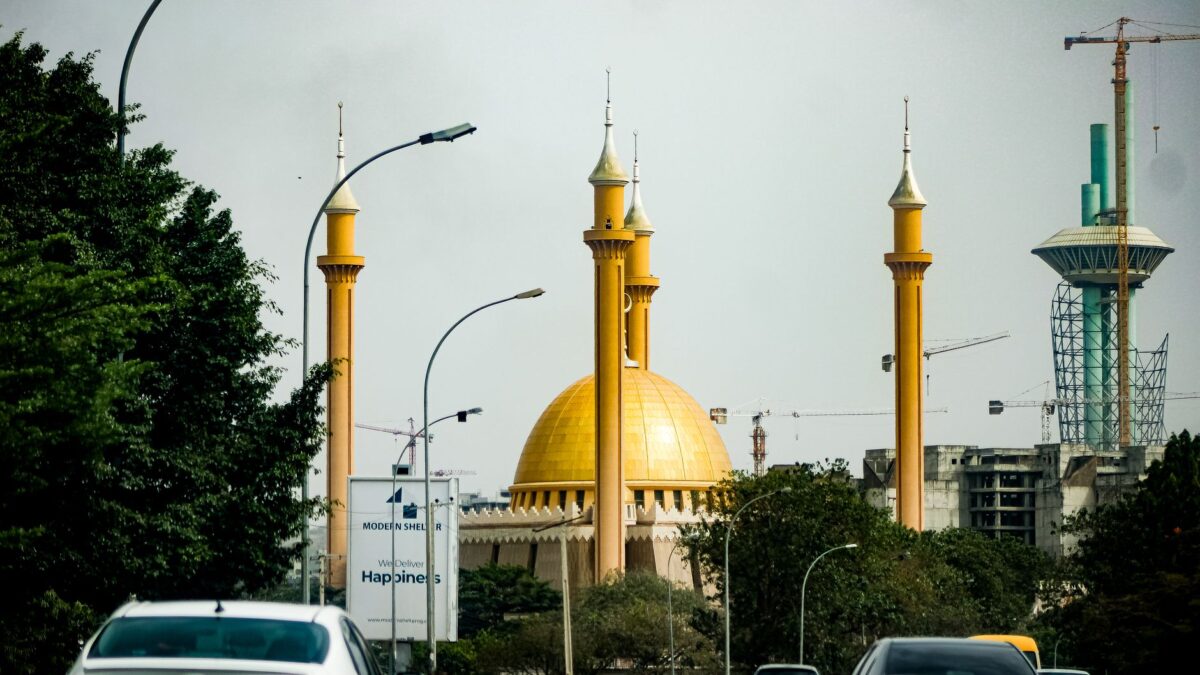
You step out of the airport into air that feels thick, not just with humidity, but with the weight of a nation in motion. Abuja does not hit you with chaos; it hits you with geometry. Wide avenues stretch toward the horizon, flanked by leafy streets and monumental concrete, all under the watchful eye of Aso Rock. It is a city built for show, yet lived in by millions who navigate its sprawl with pragmatic grace. If you are planning a week here on a mid-range budget, you are looking at a city where costs are climbing fast—rent has roughly doubled in two years, and even a pot of jollof rice has jumped significantly since 2023—but it remains manageable if you know where to look.
The Cost of Shelter: Where You Will Sleep
Your first decision is location, and your wallet will thank you for choosing wisely. In the diplomatic quarters of Maitama or the heavily secured enclave of Asokoro, prices skyrocket. But for a traveler, the sweet spot lies in the practical districts like Garki or the edges of Wuse. Here, you can find a night in a mid-range hotel or guesthouse for about ₦50,000 to ₦80,000. This gets you clean sheets, reliable power backup, and security—a non-negotiable in Nigeria.
If you want to save further, look for budget guesthouses in these areas which can run between ₦18,000 and ₦40,000 per night. While places like Chinox Guest Inn or The Blevick Suites And Apartments offer comfort, remember that accommodation in Abuja is often quoted annually for residents. For a short stay, you are paying for convenience and safety. Expect to spend roughly $45 USD for a solid, safe night’s rest in a 3-star class establishment.
Eating Your Way Through the Districts
Food is where Abuja reveals its true character. You do not need to dine at the Transcorp Hilton to eat well. The city’s culinary engine runs on local spots, often called “bukkas.” Head to the Central District or Garki, and you will find plates of native rice or jollof rice served with chicken for about ₦1,500 to ₦2,000. This is a meal that fills you up for less than $1.50 USD.
For a more authentic experience, seek out the famous “swallow” dishes. At a modest eatery, a plate of pounded yam, eba, or amala with gbegiri and ewedu soup (locally known as “abula”) will cost you around ₦2,500. It is hearty, flavorful, and deeply traditional. If you prefer a sit-down meal with air conditioning and a wider menu, a mid-range restaurant in Wuse 2 might charge ₦3,000 to ₦6,000 for a main dish. Places like Village Chief Restaurant & Bar or Nkoyo offer a step up in ambiance while keeping prices reasonable for tourists.
Coffee culture is emerging, too. Spots like Café de vie or Pink Bear provide a respite from the heat, though specialty coffee prices are rising alongside inflation. Stick to the local staples for the best value, and you will discover that feeding yourself in Abuja is one of the most affordable parts of your trip.
Getting Around Without Breaking the Bank
Abuja is vast. Distances that look short on a map can take an hour to traverse due to traffic and road conditions. There is no single stored-value metro card system in common use for daily transit, and while the Abuja Rail Mass Transit light-rail system reopened in 2024, service can be intermittent and is primarily for commuters. For a visitor, your options are cash-based minibuses, ‘keke’ tricycle taxis, and ride-hailing apps.
Uber and Bolt are your safest and most predictable bets. They allow you to track your route and pay digitally, avoiding the hassle of haggling over fares. A short ride across Wuse or from Garki to the Central District might cost you between ₦2,000 and ₦5,000 depending on demand. Minibuses are cheaper but require knowledge of routes and a willingness to shout your destination. Keke tricycles are great for short hops within neighborhoods like Garki but can be uncomfortable in the rain. Always carry small denominations of naira for cash transactions, as change is often scarce.
A Week of Low-Cost Exploration
Abuja’s attractions are often free or very cheap, allowing you to stretch your budget further. Start your mornings at Millennium Park in Maitama. Inaugurated by Queen Elizabeth II, this 18-hectare space offers fountains, water gardens, and shaded walks. It is a favorite spot for locals jogging or picnicking, and entry is typically free. From there, walk or take a keke to the National Mosque and the National Christian Centre in the Three Arms Zone. These architectural marvels mirror each other along Independence Avenue and are open to visitors outside prayer times, requiring only modest dress.
For culture, visit the Thought Pyramid Art Centre in the Central Business District. It is a hub for contemporary Nigerian art and crafts, offering a glimpse into the creative soul of the capital. Nearby, the Abuja Arts and Crafts Village behind Silverbird Galleria is another spot for souvenirs and handmade goods. If you have energy, hike Aso Rock. The trail is popular and offers panoramic views of the city. Just ensure you go early in the day to avoid the midday sun.
On your second day, head west to Jabi Lake. The area around Jabi Lake Mall and the lakeside restaurants is perfect for a relaxed afternoon. You can rent a boat or simply stroll the promenade. For families or those interested in wildlife, the Abuja National Children’s Park and Zoo off the airport road is a modest attraction where you can see monkeys, crocodiles, and native birds. Entry fees are nominal, usually under ₦1,000.
Practicalities and Safety
Before you pack, note that Nigeria’s visa policy requires most travelers to secure an e-Visa online. West African ECOWAS citizens enter visa-free. If you are staying long-term, registration with the Nigeria Immigration Service (NIS) is mandatory within seven days. Carry your yellow-fever vaccination certificate; it is routinely checked at hotels and events.
Safety in Abuja is generally good in central districts like Maitama, Asokoro, and Wuse, where police presence is visible. However, avoid non-essential highway travel after dark. Kidnapping for ransom is a real risk on corridors like the Abuja-Kaduna road. Keep your ID on you at all times, as checkpoints are routine. Use vetted drivers at night, and never flash expensive electronics in public.
Banking is straightforward if you have your documents. The Bank Verification Number (BVN) and National Identification Number (NIN) are gatekeepers for almost everything, including SIM cards and bank accounts. Major banks like GTBank, Access Bank, and Zenith have extensive networks. For a week-long stay, relying on digital payments via Uber/Bolt and carrying cash for markets is sufficient. Do not worry about exchanging large sums unless you plan to shop extensively at Wuse Market, Abuja’s principal market in Zone 4, where bargaining is expected.
Abuja is a city of contrasts—monumental architecture beside bustling markets, quiet embassies next to vibrant street food stalls. By sticking to local eats, using ride-hailing apps, and focusing on free cultural sites, you can experience the heart of Nigeria without straining your budget. It is a place that rewards curiosity and caution in equal measure.
Frequently asked questions
How much does a mid-range hotel cost in Abuja?
A night in a mid-range hotel or guesthouse typically costs between ₦50,000 and ₦80,000, with budget options available for ₦18,000–₦40,000.
What is the best way to get around Abuja on a budget?
Use Uber or Bolt for safe, tracked rides. For cheaper local transit, use cash-based minibuses or 'keke' tricycles for short hops within neighborhoods like Garki or Wuse.
Where can I eat cheaply in Abuja?
Local 'bukkas' in Garki or the Central District serve jollof rice and swallow dishes for ₦1,500–₦2,500. Mid-range restaurants in Wuse 2 charge around ₦3,000–₦6,000 for a main.
Are there free attractions in Abuja?
Yes. Millennium Park, the National Mosque, the National Christian Centre, and hiking trails around Aso Rock are free or low-cost to visit.
Do I need a visa to visit Abuja?
Most foreigners need an online e-Visa. ECOWAS citizens enter visa-free. All travelers should carry a yellow-fever vaccination certificate.
Things to do in Nigeria
 Cairo Secrets Tour & Cairo Kept secrests Tour
 Mauritius Guided North Tour (Private)
 14 Days Exploring Nigeria, Benin, Togo, Ghana and Cote d'ivoire
 The Black Heritage - Badagry Tour with Lunch
 9 Days Four Country Tour Nigeria, Benin, Togo and Ghana
 Makoko Floating Slum An Authentic Experience with Son of Chief