

A week in Amsterdam on a mid-range budget
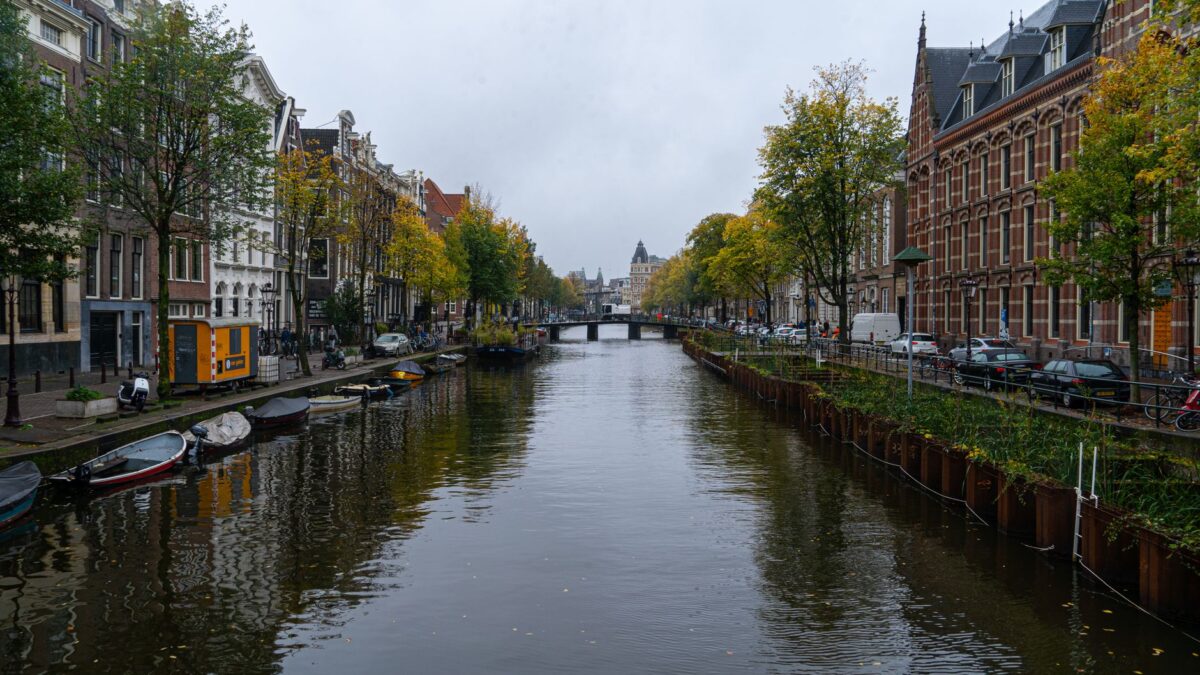
The rain in Amsterdam doesn’t fall; it hovers. In early November, the sky is a uniform sheet of lead, pressing down on the canal ring with a damp, chilly weight that seeps through your coat. It’s dark by 5 PM, and the terraces are packed away, leaving you to seek warmth in brown cafés, candle-lit bars, and the grand halls of museums. This is the season when the city turns inward, shedding its tourist gloss for something quieter, more intimate, and significantly cheaper. If you’re planning a week here now, before the Christmas lights take over, you can experience the soul of the Netherlands without emptying your wallet.
Where You Sleep: The Price of a Roof
Amsterdam is notoriously expensive, driven largely by a housing crisis that makes rent one of the highest in Europe. A modest one-bedroom flat in the city centre costs around €2,208 per month, while just outside the centre, it drops to roughly €1,677. But for a visitor, you aren’t renting an apartment; you’re booking a room. In October and November, the shoulder season brings some relief. You can find a mid-range hotel double room in the Canal Belt or Centrum for about €165–€185 a night. If you stretch your budget slightly further north, across the IJ river to Amsterdam-Noord, you’ll find creative spaces like the Volkshotel or Hotel The Bird, often offering better value and a post-industrial vibe that feels distinctly local.
For the truly budget-conscious, guesthouses in low season can dip to €65–€75 per night, but be prepared for smaller rooms and less central locations. Remember, if you stay longer than four months, you must register in the BRP (Basic Registration of Persons) at a Stadsloket office within five days of arrival, bringing your passport and rental contract. For a week-long trip, this isn’t your concern—just enjoy the temporary sanctuary.
Moving Through the City: Transit Realities
Forget renting a bike. In November, with temperatures hovering around 5–10°C and feeling like 6°C, cycling is miserable for anyone not clad in professional gear. Instead, lean on the GVB public transport network. It is efficient, clean, and surprisingly affordable. A single local transit fare—a 1-hour ticket valid on trams, metros, and buses—is €3.40. If you plan to move around a lot, grab a 24-hour ticket for €10.00.
Even better, use OVpay. Simply tap your contactless debit card, phone, or smartwatch on the reader when you board. The system automatically caps your daily spending at €10.50, making it the most hassle-free way to get around. Don’t forget the free ferries at Centraal Station! They cross the IJ to Amsterdam-Noord, taking you directly to the NDSM wharf and the EYE Filmmuseum without costing a cent. Just don’t try to use these ferries to get to Schiphol Airport; the metro and train links there require separate tickets.
A Week of Culture: Museums and Markets
November is museum season. The weather keeps you indoors, and the cultural calendar is dense. Start at Museumplein, home to the Rijksmuseum, Van Gogh Museum, and the Stedelijk Museum. The Rijksmuseum, housing Rembrandt’s Night Watch, charges €25 for adults in 2026. Timed-entry slots are mandatory, even for pass holders, so book weeks in advance. The Van Gogh Museum, with its vast collection including Sunflowers and The Bedroom, is similarly popular. The Stedelijk, with its modern art focus and iconic ‘bathtub’ extension, is €22.50 for adults but free for those under 18.
Don’t miss the Anne Frank House on Prinsengracht. It’s a profound, emotional experience, but tickets are online-only and sell out rapidly. If you can’t get in, wander the nearby Jordaan district instead. This 17th-century working-class quarter is now the most photographed neighbourhood in the city, filled with narrow canals, hidden hofjes (almshouse courtyards), and the famous Nine Streets shopping grid. Visit the Westerkerk and soak in the history of Anne Frank House’s location.
For a change of pace, head to the Albert Cuyp Market in De Pijp. It’s the Netherlands’ biggest street market, running Monday to Saturday from about 9:30 AM to 5:00 PM. With 260 stalls, you can find raw herring, fresh stroopwafels, and cheap lunches. It’s a sensory overload of spices, cheese, and noise. Alternatively, visit Noordermarkt in the Jordaan for its Saturday organic farmers’ market or Monday antiques flea market—a true local-vs-tourist dividing line.
Eating and Drinking: Local Flavours
Amsterdam is a high-cost city, but meals don’t have to break the bank. An inexpensive local place for a simple lunch or dinner, without drinks, runs about €15–€20. Look for spots serving stamppot (mashed potatoes with vegetables and sausage) or Indonesian rijsttafel, reflecting the country’s colonial history. In De Pijp, you’ll find Surinamese, Turkish, and Indonesian food from over 100 nationalities. Try Mezzave for Mediterranean flair or New Dutch Amsterdam for contemporary twists.
When evening falls, the city’s brown cafés come alive. These are traditional pubs with dark wood interiors, perfect for escaping the damp chill. If you’re interested in cannabis culture, Amsterdam has licensed coffeeshops where adults 18+ can legally consume cannabis. Barney’s Coffeeshop Amsterdam THC Cannabis Dispensary and Program Coffeeshop Amsterdam are well-known, but remember: alcohol and cannabis cannot be consumed together in public, and open containers are banned in much of the centre. Stick to the designated areas to avoid fines.
Navigating Practicalities and Safety
Safety in Amsterdam is generally good, but pickpocketing is a real risk, especially on crowded trams to Museumplein and around Dam Square. Keep your valuables secure. Bike theft is endemic, so never leave your bike unlocked. If you do cycle, use two locks.
Payment is almost entirely cashless. Most cafés, markets, and shops accept contactless cards or iDEAL bank transfers. Carry a Visa or Mastercard for OVpay and online bookings, as Dutch Maestro/V PAY-style cards might not work everywhere internationally. For communication, prepaid SIMs from KPN, Odido, or VodafoneZiggo are available at Schiphol or Albert Heijn supermarkets, with no ID registration required for prepaid options.
If you’re staying longer, note that health insurance (basisverzekering) is mandatory within four months of arrival. And if you’re visiting during specific events, like the PAN art fair (early November) or IDFA documentary festival (mid-November), expect crowds and higher accommodation prices. But for a quiet, reflective week in the damp November gloom, Amsterdam offers a rich, immersive experience that’s well worth the cost.
Frequently asked questions
How much does a mid-range hotel cost in Amsterdam in November?
In the shoulder season of November, a mid-range double room in the Canal Belt or Centrum typically costs between €165 and €185 per night.
Is public transport expensive in Amsterdam?
No, it’s capped. A 1-hour ticket is €3.40, and using OVpay with a contactless card limits your daily spend to €10.50 automatically.
Do I need to book the Anne Frank House in advance?
Yes, absolutely. Tickets are online-only and routinely sell out days or weeks ahead, especially during peak seasons.
What is the best way to pay for things in Amsterdam?
Contactless payment is standard. Most places accept debit/credit cards or mobile pay; cash is rarely needed except for small market stalls.
Are there free ways to explore Amsterdam-Noord?
Yes, the passenger ferries departing from behind Centraal Station to Amsterdam-Noord are completely free and run frequently.
Things to do in Netherlands
 Amsterdam Free tour World War II and Anne Frank
 Amsterdam Highlights and Hidden Gems Walking Tour with Fun Guide
 Explore Amsterdam in 75 Minutes – Pedicab Rickshaw City tour
 Private All-Inclusive Cruise with Captain
 Amsterdam: Private Tour to Keukenhof and Flower-Farm with Ticket
 The Ultimate Craft Beer Adventure in Amsterdam!