

A week in Astana on a mid-range budget
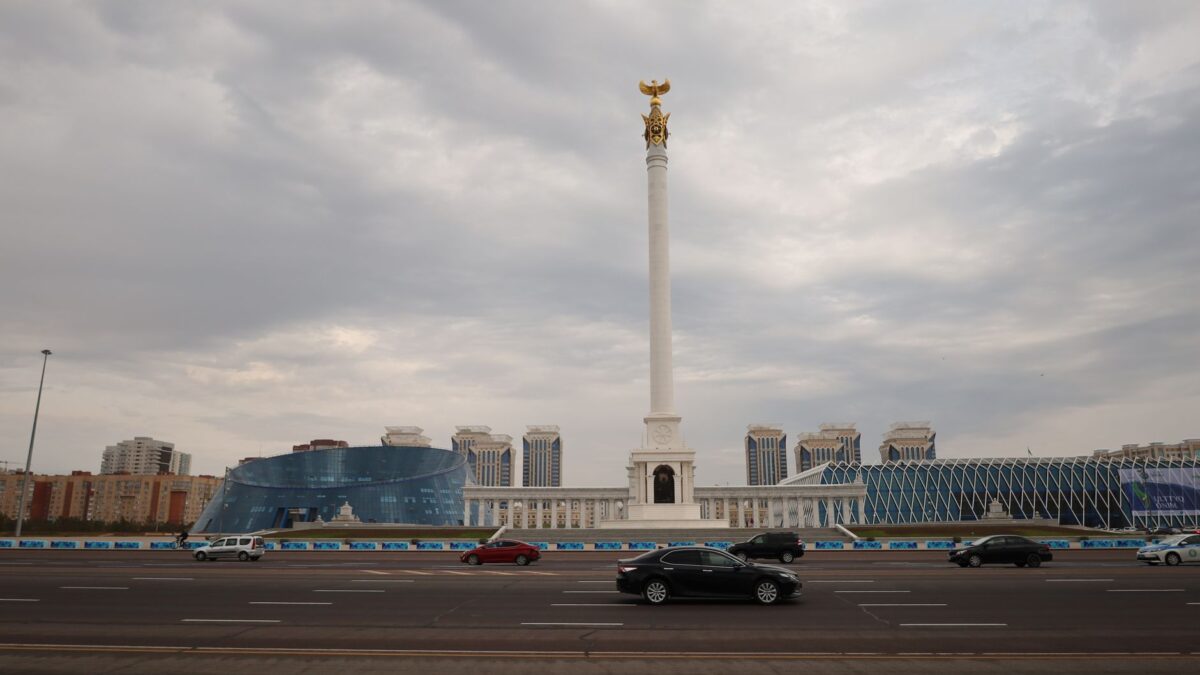
The wind doesn’t just blow in Astana; it sculpts you. It is late September, the golden-autumn pivot where the birch and poplar leaves turn crisp gold against a sky that feels impossibly high. The temperature hovers around 3–14°C, but with the chill factor, it feels closer to 9°C. You pull your coat tighter, not because you are cold yet, but because you know winter is knocking on the door. This is the best time to visit if you want to see the city’s skeletal architecture without the summer crowds or the January -30°C freeze. And surprisingly, it is also a very affordable time.
Astana is often mistaken for an expensive, futuristic ghost town, but the reality on the ground is far more grounded. With inflation sitting at 11.4% and a GDP per capita of roughly $14,692, the cost of living is mid-range for the region. The key to enjoying this capital on a mid-range budget is understanding the subsidies: public transport is dirt cheap, local food is hearty and inexpensive, and the sheer scale of the city means you can walk between many landmarks on the left bank without breaking the bank.
Where to Stay: The Left Bank vs. The Right
Your accommodation strategy defines your week. Astana is divided by the Esil (Ishim) River. The Yesil (Esil) district, or left bank, is the government and business core. This is where the Bayterek Tower and Khan Shatyr stand. It is sleek, modern, and pricier. A modest one-bedroom flat here rents for about ₸180,000–220,000 a month, so hotel rates reflect that premium. However, for a traveler, the convenience is worth it. You can find solid mid-range options like the Ramada by Wyndham Astana or the Diplomat Hotel & Business Center. Budgeting roughly ₸25,000–35,000 ($55–$75) per night gets you a clean, central room.
If you want to save money and feel more of the ‘old’ Astana, cross the bridge to the Saryarka district on the right bank. This was once Tselinograd, the industrial heartland. It is less polished but has a working-class charm. Here, places like HANNAH INN | Astana offer better value. Alternatively, look into the Nura district, a sprawling expansion zone with new residential complexes. While infrastructure is still catching up, the rental prices are lower, and you might find serviced apartments that feel more like home than a hotel room.
Getting Around: Subsidized Transit and Smart Apps
Do not rely on taxis for every leg of your journey; they will add up. Astana’s public transit is heavily subsidized. A single bus fare is a mere ₸110 ($0.2) if you pay cashless via card or app. If you plan to use the buses extensively, buy the monthly ‘Gorod’ pass for ₸7,500 ($16), or opt for the day pass at ₸500 ($1). To make this work, you need a Transcard (the red smart card, costing about ₸1,000 for the physical card itself) and a top-up via the Kaspi or Halyk Bank apps. Kaspi is the super-app that runs everything here; download it immediately upon arrival.
Beware of current roadworks. As of late September, a section of Kosmonavtov Street is closed for resurfacing, and the intersection of Anet Baba Street and EK-26 is shut for utility work. Several bus routes, including numbers 15, 19, and 29, have altered alignments due to construction. Use the Avtobys or ASTRA BUS apps to check real-time changes. If you must take a taxi, app-hailed rides have a base fare of ₸800–1,000 and charge about ₸330/km. Keep the distance short unless you are heading to the airport in the Baikonur district.
Eating Like a Local: Plov, Lagman, and Coffee Culture
Food in Astana is where your budget breathes. You do not need to eat at the fancy restaurants inside Khan Shatyr to enjoy excellent meals. For breakfast or lunch, head to a local cafe. A plate of plov (rice pilaf) or lagman (noodle stew) costs between ₸3,500 and ₸6,000 ($10). These are filling, flavorful staples that define Kazakh cuisine.
For a more formal dinner, a meal for two at a mid-range restaurant—three courses, no drinks—runs about ₸17,000 ($35). If you prefer something casual, an inexpensive local restaurant meal per person is around ₸4,700 ($10). Some recommended spots include Zina for traditional flavors or Saksaul for a modern twist. Don’t forget to stop at a coffee shop. Cappuccinos cost about ₸1,100 ($2.3). Places like Café “Espresso Bar” or Ma Famille are perfect for people-watching as the evenings get darker earlier.
Groceries are also affordable if you cook occasionally. Milk is ₸535–600 ($1.2) per liter, and a loaf of fresh white bread is just ₸270 ($0.6). Local draft beer is a bargain at ₸600 ($1.3) per 0.5 L bottle. However, be mindful of the weather. By November, terrace seasons end, and indoor dining becomes essential.
Attractions: Free Views and Cultural Stops
You can spend days in Astana without spending much on tickets. The iconic landmarks on the left bank are largely free to view from the outside. Walk along the Esil River embankment to see the Bayterek Tower and the Palace of Peace and Reconciliation (the Pyramid). The Atameken Ethno-Memorial Complex offers a miniature tour of Kazakhstan’s regions and is worth a visit if you have a few hours.
For culture, the National Museum of the Republic of Kazakhstan is a must. Check current ticket prices, but general entry is often low-cost or included in tourist passes. If you are visiting in late September, keep an eye out for special events. The Kulanchi exhibition hall is hosting a large exhibition of original Marc Chagall graphic works until October 4th, drawing art crowds before it closes. Additionally, Astana is becoming a hub for tech and film; the first Astana AI Film Festival (AAIFF 2026) runs from September 28th to October 1st, offering screenings and talks that may have free or low-cost public sessions.
On weekends, consider a trip to Korgalzhyn State Nature Reserve, about 120 km southwest. It is a UNESCO-listed site where you can see greater flamingos and Dalmatian pelicans. While this requires a car or tour, the natural beauty provides a stark, beautiful contrast to the urban grid.
Practicalities: Visa, Safety, and Daily Life
Citizens of ~54–85 countries, including the US, EU, and UK, enter visa-free for 30 days. However, note the new digital requirements. Since 2026, Kazakhstan is rolling out the QazETA app for Electronic Travel Authorization, recommended at least 72 hours before travel. Stays under 30 days are exempt from passport registration, but your host (hotel or landlord) must notify migration authorities within three business days. If you stay longer, you must self-register in the ‘IS MP’ system.
Safety is generally high; violent crime is low, and the left bank is walkable at night. Your biggest risks are paperwork errors and the cold. Ensure you have an IIN (Individual Identification Number) if you plan to open a bank account or sign long-term contracts. Foreigners can now obtain an IIN remotely through the AIFC e-Residency route starting January 2026, which simplifies banking with Kaspi or Halyk Bank.
Finally, prepare for the season shift. Astana winters are brutal. Even in September, bring layers. The city is designed for wide avenues and massive buildings, which amplify the wind. With a mid-range budget of roughly ₸15,000–20,000 ($30–$45) per day for food, transit, and miscellany, plus your accommodation, you can experience the grandeur of Astana without emptying your wallet. Just respect the weather, check your bus routes, and enjoy the hospitality of the steppe capital.
Frequently asked questions
How much does a day in Astana cost for a mid-range traveler?
Expect to spend roughly ₸15,000–20,000 ($30–$45) daily on food, transit, and small attractions, excluding accommodation. Public transport is highly subsidized at ₸110 per ride.
Is Astana safe for solo travelers at night?
Yes, violent crime is low. The left bank (Yesil district) is well-lit and walkable at night. The main risks are administrative paperwork and the harsh winter weather, not personal safety.
Do I need a visa to visit Astana from the US or EU?
Citizens of the US and EU enter visa-free for 30 days. However, you should check the new QazETA app requirements for electronic travel authorization before departure.
What is the best way to pay for buses in Astana?
Use the Transcard (red card) and pay cashlessly via the Kaspi or Halyk Bank apps. Cash fares are double (₸220), while card fares are only ₸110.
Things to do in Kazakhstan
 Astana City Tour: Private Full Day with Lunch and Comfort Pickup
 Private Full Day Almaty City Tour
 Discovering 6 Stunning Sights on Private Tour of Charyn Canyon
 1 Day Group Tour to Charyn Canyon, Kolsay Lake and Kaindy Lake
 Astana: KarLag and Karaganda - Private USSR history tour
 1 Day Private Tour to Charyn Canyon, Kolsay and Kaiyndy