

A week in Berlin on a mid-range budget
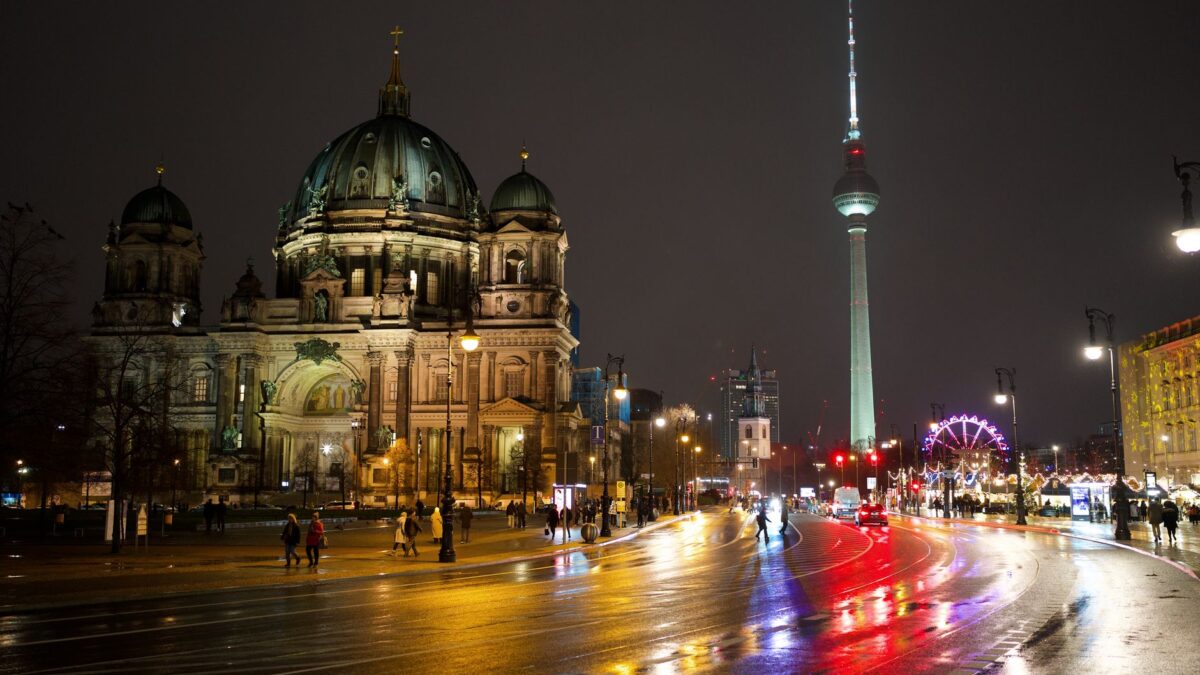
It is raw in Berlin right now. The sky is a flat, heavy grey that seems to press down on the city by late afternoon, and the wind whips off the Spree with a chill that settles into your bones. It is November 12th, and the temperature is hovering around 3–6°C, feeling closer to 3°C with the light rain drizzling down. This is not the season for sunbathing; it is the season for survival, warmth, and finding the hidden fires of culture beneath the concrete. As you step onto the cobblestones, you will notice the first kale-and-sausage menus appearing on restaurant boards and the glimmer of Christmas-market lights starting to flicker on. It is dark, it is cold, but it is also one of the most honest times to visit.
The Reality of Getting Around
Your first expense will be mobility. Berlin is vast, and walking from Mitte to Kreuzberg in this weather is a test of will you may not want to pass. You need the VBB network, which unifies the U-Bahn, trams, buses, and S-Bahn under one ticketing system. For a single journey within the city zones (AB), expect to pay around €4.00 for an Einzelticket. This price rose in January 2026, so do not rely on old advice.
If you are staying for the full week, buying singles will burn a hole in your pocket. Instead, look at the Deutschlandticket. If you have already subscribed, it is valid nationwide for about €63/month. If not, you might consider the Berlin WelcomeCard, which bundles transport with discounts at over 130 attractions. However, be warned: there are disruptions. The U2 line is interrupted between Theodor-Heuss-Platz and Ruhleben with replacement buses, and the U9 skips Güntzelstraße station entirely until December 10th. Download the Jelbi app immediately; it bundles BVG transit with bike and scooter sharing, which can save you when the trains are delayed or cancelled.
A Day-by-Day Budget: Eating and Wandering
Let us build a realistic picture of your week. Berlin is still cheaper than London or Paris, but it is no longer a bargain basement. A modest coffee at a normal café like Ormado Kaffeehaus or Oslø Kaffebar will set you back €4.00. For lunch, you do not need a sit-down meal every day. The Döner Kebab remains the soul food of Berlin. From a neighbourhood Imbiss, a standard chicken or meat döner costs between €7 and €8. In mid-2026, the average in Berlin sat at roughly €7.06. Premium steak versions can hit €12+, but for a quick, hot lunch while wandering the rain, stick to the classic.
Day 1: Mitte & History
Start at the Brandenburg Gate. It is polished and tourist-dense, but essential. Walk through to Pariser Platz, then head east to the Museum Island. The Pergamon Museum’s main hall is closed for long-term renovation, but the Neues Museum still houses the Nefertiti bust. Entry tickets here are pricey, often €12–15 per museum, so budget carefully. Lunch: a döner near Alexanderplatz. Evening: A warm soup or stew at Hofbräu Wirtshaus Berlin if you want traditional vibes, though prices will be higher here—expect a meal to run €20–30.
Day 2: Kreuzberg Counterculture
Cross the river to Kreuzberg. This is the multicultural heart. Visit Markthalle Neun, a historic 1881 market hall. If you are there on a Thursday, the Street Food Thursday event is vibrant, but even on other days, the stalls offer affordable, diverse eats. Wander down Oranienstraße to see the punk history of SO36. Dinner here is more affordable than in Mitte; a simple plate at a local spot might cost €12–15. Transit fare: €4.00.
Day 3: The Wall & East Side Gallery
Walk the East Side Gallery along the Spree. It is free, open-air, and stretches about 1.3 km. Be prepared for mud and puddles. Nearby, visit the Memorial to the Murdered Jews of Europe. The field of 2,711 concrete stelae is haunting and free to enter, though the underground information centre has a small fee. For lunch, grab something from a vendor near the gallery. In the evening, consider the Topography of Terror documentation center (free entry) to understand the Nazi era, then find a quiet wine bar in nearby Friedrichshain.
Day 4: Prenzlauer Berg & Local Life
Head north to Prenzlauer Berg. This district is gentrified and family-heavy, filled with restored Wilhelmine tenements. The café density is extreme. Grab a coffee at The Rabbit Café or Classic – Specialty Coffee. Visit Kollwitzplatz for its market feel. Note that the M1 and M12 trams are running replacement buses through Kastanienallee due to ongoing works, so check your route. Dinner: Try Schnitzelei Mitte or a similar Wiener schnitzel house, where portions are large and filling. Cost: ~€18 for a main.
Day 5: Tempelhofer Feld & Green Space
Take the bus south to Tempelhofer Feld. This decommissioned airport is now a vast public park. It is one of Berlin’s great gifts—a place where you can cycle, kite, or just sit on the runway. It is free. Pack a picnic from a supermarket (groceries cost around €304/month for one person, so a loaf of bread and cheese is cheap). This is a low-cost day, focusing on nature rather than monuments.
Day 6: Culture & Festivals
This week features the 39th Berlin Jewish Cultural Days (Zadikim – Time for the Righteous). Events are spread across venues like the Rykestraße Synagogue and Neue Synagoge. Many events are free or donation-based. Alternatively, catch the 8MM Fest at ACUD MACHT NEU or Zionskirche for underground DIY music, where door takings go straight to the bands. These experiences are deeply authentic and often inexpensive.
Day 7: Relaxation & Reflection
End your week in Neukölln, specifically the Reuterkiez area. It is the creative frontier, with natural-wine bars and galleries. It feels less polished than Mitte, more real. Have a final dinner at Nante-Eck or a casual bistro. Total weekly estimate: If you mix free walks, affordable döners, and occasional nicer dinners, you can manage on €80–120 per day excluding accommodation.
Where to Stay on a Mid-Range Budget
Accommodation varies wildly by district. In Mitte, rents are highest. A modest 1-bedroom flat in the city centre costs around €1,316/month cold rent, so hotel rates reflect this premium. However, you can find decent mid-range options. Hotel Indigo Berlin – East Side Gallery by IHG offers style and location but at a higher price point. For better value, look at MEININGER Hotel Berlin Central Station or Hotel Neuer Fritz Berlin. These provide reliable comfort without the luxury markup. Avoid booking too close to Alexanderplatz if you want quiet; the noise is relentless. A night in a solid 3-star hotel might cost €80–120.
Practical Tips for November
Weather is your biggest variable. With only about 8 hours of daylight (sunrise 07:22, sunset 16:17), plan outdoor activities for the morning. Bring layers. Also, note that Repentance and Prayer Day (Buß- und Bettag) falls on November 18th, just six days after your arrival. Shops will be closed, and public life slows down significantly. Use this day for museum visits or relaxing in your hotel.
Finally, safety. Berlin is broadly safe, but pickpocketing clusters at Alexanderplatz, Warschauer Straße, and on the U8 at night. Keep your bag close. Bike theft is endemic; if you rent a bike, lock the wheels and frame. And remember: cash is still king in many smaller Imbisses and cafes, though cards are widely accepted in hotels and larger restaurants.
Frequently asked questions
How much does a single metro ticket cost in Berlin in 2026?
A single local transit fare (Einzelticket) for zones AB costs around €4.00 as of January 2026. Always validate your ticket before boarding.
Is the Deutschlandticket worth it for a week-long stay?
The Deutschlandticket costs €63/month and is subscription-only. For a short week, it is likely not cost-effective unless you travel daily across Germany. For city-only travel, consider the Berlin WelcomeCard or individual tickets.
What is the average cost of a döner kebab in Berlin?
A standard döner kebab from a neighbourhood Imbiss costs between €7 and €8, with the Berlin average sitting around €7.06 in mid-2026.
Are there major transit disruptions in Berlin right now?
Yes. The U2 line has interruptions between Theodor-Heuss-Platz and Ruhleben, and the U9 skips Güntzelstraße station. Check the Jelbi app for real-time updates and replacement bus routes.
What should I wear in Berlin in mid-November?
Temperatures are 3–6°C with frequent rain and wind. Dress in layers, bring a waterproof jacket, and prepare for early darkness (sunset around 16:17).
Things to do in Germany
 Special offer
Neuschwanstein & Linderhof Castle Luxury Private Tour from Munich
 5hours: Guide, Chauffeur & Photographer in Berlin private Tour
 Bodyflying & Indoor Skydiving at FlyStation Munich
 Alsace wine tour and medieval villages. Small group guided tour
 Special offer
Third Reich Walking Tour Munich - Nazi Origins - Max.16 per group
 2 hours Segway Elbe Mini Tour