

A week in Bogotá on a mid-range budget
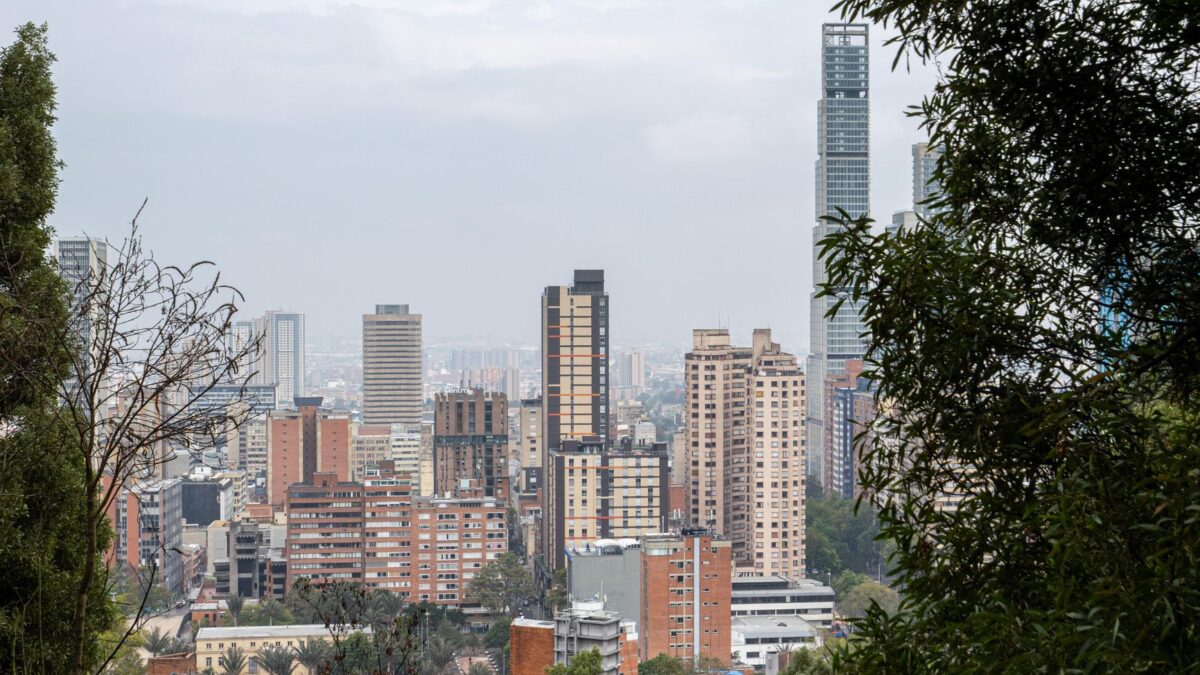
Bogotá doesn’t announce itself with a blast of sun or the scent of salt air. It arrives as a crisp, thin breeze against your cheeks, a reminder that you are standing on the Andean savannah at nearly 2,640 meters above sea level. If you’re planning a week here on a mid-range budget, you aren’t just packing for altitude; you’re packing for a city that moves at its own deliberate, historic pace. From the colonial cobblestones of La Candelaria to the digital-nomad hubs of Chapinero, Bogotá is Colombia’s priciest city, yet it remains surprisingly accessible if you know where to look. As November tips into the pre-Christmas season, the city is dressing up, and I want to show you exactly how to navigate those costs without sacrificing the soul of the place.
Where Your Money Goes: The Daily Baseline
To plan effectively, you need to anchor yourself in the local currency, the Colombian peso (COP). With inflation hovering around 5.1% and the exchange rate roughly at 4,074 COP per US dollar, prices are climbing, but they remain friendly compared to global standards. A key realization for any traveler is that while rent dominates local budgets, daily expenses like food and transit are incredibly cheap. For instance, an inexpensive local corrientazo—a set lunch menu found in almost every neighborhood restaurant—will cost you between 12,000 and 17,000 COP (about $4). This is your best friend for staying full and happy during the day.
Accommodation is your largest fixed cost. While exact nightly rates for mid-range hotels fluctuate, looking at monthly rents gives us a clue: a modest one-bedroom flat outside the center runs about 1,500,000–1,600,000 COP ($380) per month. This suggests a nightly rate for a guesthouse or boutique hotel in areas like Teusaquillo or Usaquén will likely sit in the $30–$60 range depending on the season. Avoid the ultra-luxury zones like Zona T/Parque 93 if you are strictly budget-conscious, though these areas offer the safest streets and easiest connectivity. Instead, look toward Teusaquillo, a quiet, walkable district with English-style architecture and great value, or stick to the edges of La Candelaria for bohemian charm.
Day 1: Colonial Roots and Museum Hopping
Your first day should be spent immersing yourself in the heart of the city. Start in La Candelaria, the historic district founded in 1538. Here, the cobblestone streets tell stories of the Muisca highlands and the legend of El Dorado. You can wander past the Plaza de Bolívar, surrounded by the Capitolio Nacional and the presidential Casa de Nariño, feeling the weight of political history that still vibrates through the capital today.
For lunch, head to a local spot for that 12,000–17,000 COP menu del día. Afterward, dive into culture. The Botero Museum and the Gold Museum are absolute musts. The Gold Museum houses the world’s largest collection of pre-Columbian gold artifacts, a testament to the rich heritage of the region. Entry fees vary, but many museums have free days or low entry costs, often under 10,000 COP. In mid-November, keep an eye out for the Noche de Museos, where over 80 museums open their doors for free with extended night hours, tours, and talks. It’s a magical way to see the city when the temperature drops below 15°C. Wrap up your evening with a coffee at Café San Alberto in nearby Usaquén, a former village absorbed by the city that retains its own charming colonial plaza.
Day 2: Gastronomy and Modern Vibes
Shift gears and head north to Chapinero, specifically the Zona G (Gastronomic Zone). This is the professional and expat hub, offering some of the best dining experiences in Latin America. Here, you might spend more. A meal at a mid-range restaurant could run you around 35,000 COP ($9), while a plate of typical Colombian comfort food like bandeja paisa or sancocho sits comfortably at about 18,900 COP ($5). These prices allow you to indulge in high-quality ingredients without breaking the bank.
After lunch, explore the Zona Rosa and Zona T areas. While this is the upscale district with luxury shopping at Centro Comercial Andino, it’s also safe and vibrant. If you visit in the evening, check the schedule for events like the Festival Danza en la Ciudad, which spreads shows across theaters and parks. Be aware that big arena shows, such as recent performances at Corazón de Bogotá Arena, can cause heavy traffic and scarce taxis in these corridors, so plan your transit accordingly. Return to your hotel via TransMilenio, ensuring you use your TuLlave card for the 3,450 COP fare—a small price for efficiency in a sprawling metropolis.
Day 3: Altitude, Art, and Local Life
On your third day, embrace the outdoors. Take the cable car or funicular up Cerro de Monserrate, the 3,150-meter peak that overlooks the city. The views are breathtaking, especially on a clear morning when the light drizzle of Bogotá’s climate hasn’t yet rolled in. At the top, visit the Santuario Nuestra Señora del Carmen and enjoy a simple lunch at the summit restaurants. While prices are higher here due to the location, the experience is unparalleled.
In the afternoon, descend to La Macarena, a bohemian area known for its art galleries and bookshops. This neighborhood feels like a secret garden tucked away from the bustle of the center. Grab a coffee at Tropicalia Coffee or Azahar Coffee Parque 93 to recharge. For dinner, try a local market food area like Plaza de Mercado Las Ferias, where you can find hearty meals for around 12,000–17,000 COP. The atmosphere is lively, authentic, and deeply rooted in everyday Bogotan life. Remember to wear your backpack in front and keep valuables hidden, as locals advise caution in certain areas after dark.
Logistics: Navigating the City Smartly
Getting around Bogotá requires strategy. The TransMilenio system is the backbone of public transport, but it can be crowded and confusing. Always carry a TuLlave card, which costs around 8,000 COP to buy initially and recharges at supermarkets like Éxito or pharmacies like Cruz Verde. The fare is approximately 3,450 COP per ride, with free transfers within 90–110 minutes. Note that certain stations, like Virrey–CENDIATRA, may have closures or route changes due to ongoing Metro Line 1 works, so always check real-time updates before heading out.
If you prefer taxis, use reputable apps or stand at well-lit stations. Base fares for short rides are reasonable, but avoid hailing cabs on the street at night. For longer excursions, consider the Tren Turístico de la Sabana to Zipaquirá Salt Cathedral, an underground church carved into a salt mine. Day trips like this add to your budget but provide unforgettable memories. Finally, stay connected with a prepaid SIM from Claro, Movistar, or Tigo, available at El Dorado Airport Terminal 1. Register your passport immediately, as SIMs must be linked to your ID.
Bogotá is a city of layers, revealing itself slowly to those who take the time to listen. By focusing on local eateries, using public transit wisely, and embracing the cultural richness of its neighborhoods, you can experience the capital’s magic without overspending. Whether you’re watching the sunset from Monserrate or dancing to live music in Chapinero, the memories you make here will far outweigh the costs. Travel smart, respect the altitude, and let Bogotá surprise you.
Frequently asked questions
How much does a typical lunch cost in Bogotá?
An inexpensive local 'corrientazo' set lunch typically costs between 12,000 and 17,000 COP (about $4 USD).
What is the best way to pay for public transit in Bogotá?
You must use a TuLlave card, which costs around 8,000 COP to purchase. Cash is not accepted on buses.
Are there free museum days in Bogotá in November?
Yes, look for the Noche de Museos, where over 80 museums open for free with extended hours and special programming.
Which areas of Bogotá are considered safest for tourists?
The safest areas are generally Zona T/Parque 93, Chapinero/Zona G, and Usaquén.


