

A week in Bratislava on a mid-range budget
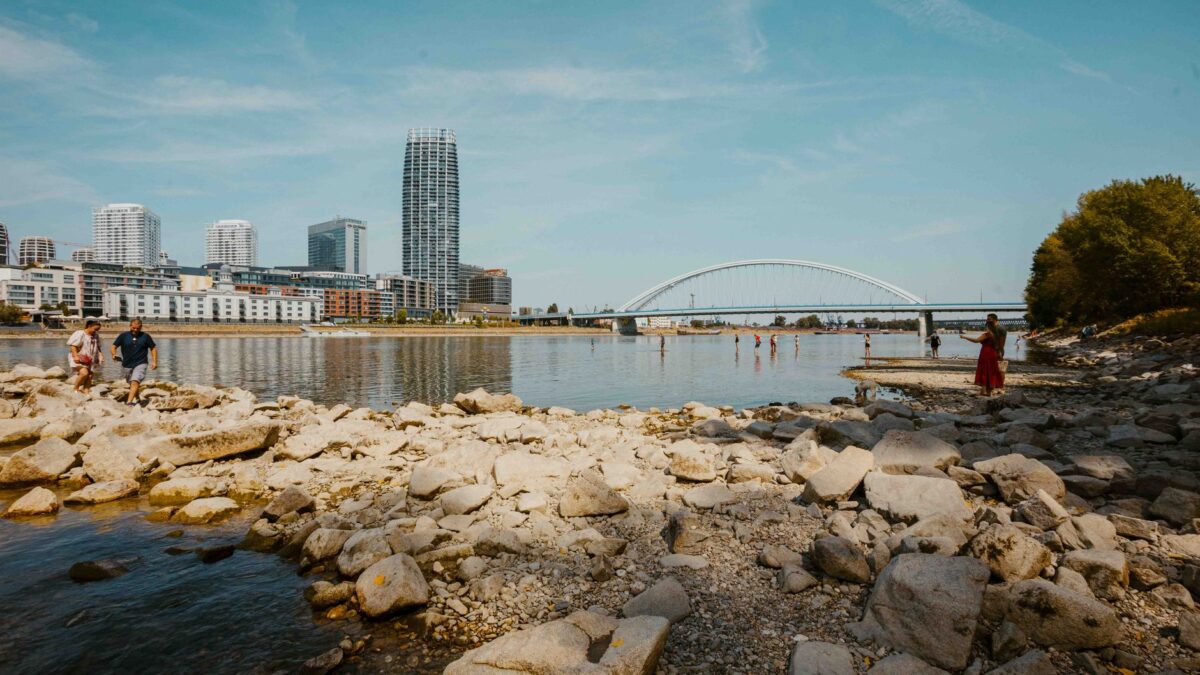
It is late September in Bratislava, and the air has that crisp, early-autumn bite that signals the end of summer tourism and the beginning of real local life. The Little Carpathians behind the city are turning gold, and the grape harvest is underway—look for young burčiak (sparkling young wine) appearing at markets and pubs. If you are planning a week here on a mid-range budget, you will find it is one of Central Europe’s most manageable capitals, though not the cheapest. Housing costs have pushed prices up, but food, drink, and transit remain surprisingly affordable if you know where to look.
The Budget Baseline: Where Your Money Goes
Before we dive into the itinerary, let’s talk numbers. Slovakia uses the euro (EUR), and while inflation is hovering around 4%, your purchasing power goes further than you might expect compared to Western Europe. However, Bratislava is now among the priciest Eastern European capitals, driven largely by housing. A modest one-bedroom flat rents for about €850 a month, with city centre spots hitting €900. But as a visitor, you won’t be paying rent—you’ll be paying for experiences.
For daily living, aim for these benchmarks. An inexpensive meal at a local restaurant runs about €10, while a set lunch (denné menu) at a nearby eatery can bring that down to roughly €9. For a proper three-course dinner for two at a mid-range spot, budget around €60. Coffee culture is strong; a cappuccino in a café like Sweet Beans or Foxford will cost about €3.10. And if you want to celebrate with a domestic draft beer (0.5 L) in a pub, expect to pay roughly €3.00. These are not exact facts, but they are the reliable averages you should use to plan your spending.
Days 1-2: The Old Town and the Castle
Your first days should anchor you in Staré Mesto (District I), the cobblestoned medieval core. Start at Hlavné námestie (Main Square). Here, you can climb the tower of Michael’s Gate (Michalská brána) for a view over the rooftops. The entry fee is modest, and it’s worth it. From there, walk to the Old Town Hall complex, which houses the City Museum. A combined ticket here gets you into several historical rooms for a small fee, keeping your daily sightseeing costs low.
Next, take the tram or bus up to Bratislava Castle (Bratislavský hrad). This iconic white four-tower fortress on the hill is the city’s symbol and houses the Slovak National Museum. You can wander the grounds and gardens for free, which is a great way to spend an afternoon. If you enter the museum inside, keep the cost in mind, but the exterior views of the Danube are priceless.
Transit Tip: Public transport is run by DPB under the IDS BK system. A single 30-minute fare is €1.20 (or €1.09 via the app). For a whole day of exploring, a 24-hour ticket costs about €4. If you are staying for a week, consider buying a monthly pass for €40.50—it sounds like a lot upfront, but it covers unlimited travel in zones 100+101 and pays for itself quickly. Note that Tram line 1 is currently running a long-term detour away from Námestie SNP due to reconstruction, so check the IDS BK app for real-time updates.
Days 3-4: Modern Icons and Local Eats
On your third day, head west toward the Danube. Take the bridge to visit the UFO Observation Deck on the Most SNP bridge. Built in 1972, this flying-saucer structure offers the best panoramic view of the city. The entrance fee is reasonable, and the restaurant inside is pricey only if you choose to dine there. Stick to the observation deck for the budget traveler.
For lunch, avoid the tourist traps on Obchodná street. Instead, walk to Ružinov (District II) and visit Miletičova Market. It is a famous open-air market where locals buy fresh produce and meats. Grab a snack or ingredients for a picnic in Sad Janka Kráľa park in Petržalka (District V)—one of Central Europe’s oldest public parks. It is cheap, peaceful, and authentically local.
In the evening, try Koliba Kamzík – Zelená. While it is geared toward tourists, it offers a classic taste of Slovakia. Order bryndzové halušky (potato dumplings with sheep cheese and bacon). A typical pub portion costs around €8–9. Pair it with a glass of local wine from the Little Carpathians, which is abundant this time of year.
Days 5-6: Culture, Wine, and Nature
Slovakia has a rich artistic heritage. Visit the Blue Church (Kostol svätej Alžbety), a stunning Art Nouveau chapel just east of the Old Town. It is free to enter and takes only 20 minutes to tour. Then, head to the Slovak Philharmonic at the Reduta to see if you can catch a rehearsal or a performance. The 61st Bratislava Music Festival opens soon with the Slovak Philharmonic under Simone Young, so tickets may be available. Prices vary, but student or balcony seats are often affordable.
Take a trolleybus ride out of the city to Rača, a borough in Nové Mesto known for its vineyards. This is the heart of the wine country. Many local wineries offer tastings for €5–10 per person. Walk the trails in the Little Carpathians, perhaps up to Železná studnička, for free nature immersion. The air is clean, and the views are spectacular.
For dinner, try Gatto Matto Panská or The Farmhouse Restaurant for something slightly more upscale but still within mid-range bounds. A three-course meal for two at a place like Urban House or Bratislava Flagship will likely total around €60. Split the bill, and you are still well within budget.
Day 7: Devín and Reflection
End your week at Devín Castle (Hrad Devín), located at the confluence of the Danube and Morava rivers. Reachable by bus or river path, this ruined fortress sits on a cliff at the border with Austria. It was a key site during the Iron Curtain era and holds deep historical significance. Entry to the castle grounds is free, and the natural surroundings are serene. Peregrine falcons nest on the cliffs, and beavers live in the floodplain forests—keep your eyes peeled.
As you pack, remember that Bratislava is safe and walkable. The main nuisances are pickpockets around Hlavné námestie and noise on Obchodná/Ventúrska late at night. Use Bolt or Uber for late rides if needed, but walking is usually sufficient.
Practical Financial Tips
- Currency: Euros (EUR). Exchange rates fluctuate, but roughly 0.924 EUR equals 1 USD. Inflation is around 4%.
- Banking: Major banks include Tatra banka and Slovenská sporiteľňa. Non-EU residents may need a registered address to open an account, but digital banks like Revolut work well for transfers.
- Visas: US, UK, Canadian, Australian, and New Zealand citizens enter visa-free for 90 days. Remember the EU’s ETIAS pre-travel authorisation (€7) rolling out in 2026.
- Safety: Generally very safe. Just watch your wallet in crowded squares.
A week in Bratislava on a mid-range budget is entirely feasible if you balance the expensive nights out with free museums, park picnics, and public transit. Embrace the autumn vibe, drink the new wine, and enjoy the city’s unique blend of history and modernity.
Frequently asked questions
Is Bratislava expensive for a mid-range traveler?
Bratislava is one of the priciest Eastern European capitals due to high rents, but daily costs are manageable. Expect to pay around €10 for a simple meal, €3 for a beer, and €1.20 for a transit ticket. A weekly budget can be tight but doable with careful planning.
How much does public transportation cost in Bratislava?
A single 30-minute ticket is €1.20 (€1.09 via app). A 24-hour pass is about €4. If you stay for a week, a monthly pass for €40.50 is the most cost-effective option for unlimited travel in zones 100+101.
What is a typical price for Slovak food like bryndzové halušky?
A standard pub portion of bryndzové halušky (potato dumplings with sheep cheese and bacon) typically costs between €8 and €9. Set lunches (denné menu) at local eateries average around €9.
Are there any major road closures or transit disruptions in September 2026?
Yes. Tram line 1 is on a long-term detour until late September due to reconstruction. Additionally, the National March for Life may cause rolling road closures on Sundays, affecting trams and buses in the center. Always check the IDS BK app for real-time updates.
Where can I get authentic local wine near Bratislava?
Visit Rača, a borough in Nové Mesto, known for its vineyards in the Little Carpathians. Many local wineries offer tastings for €5–10. Look for young burčiak wine at markets and pubs during the late September harvest.
Things to do in Slovakia
 Private Hiking Tour Visit to Slovakia with Licensed Guide
 Military Guns Shooting Experience with GunMates Bratislava
 5-Course Small-Group Bratislava Food Tour with Local Guide
 Bratislava Off the Beaten Path Tour - recommended also by Rick Steves
 Likely to sell out
Private Day Trip to Banska Stiavnica Unesco Site
Likely to sell out
Private Day Trip to Banska Stiavnica Unesco Site
 Kalashnikov, Pistol & Sniper Rifle Shooting in BratislavaShootingClub PLUS