

A week in Cairo on a mid-range budget
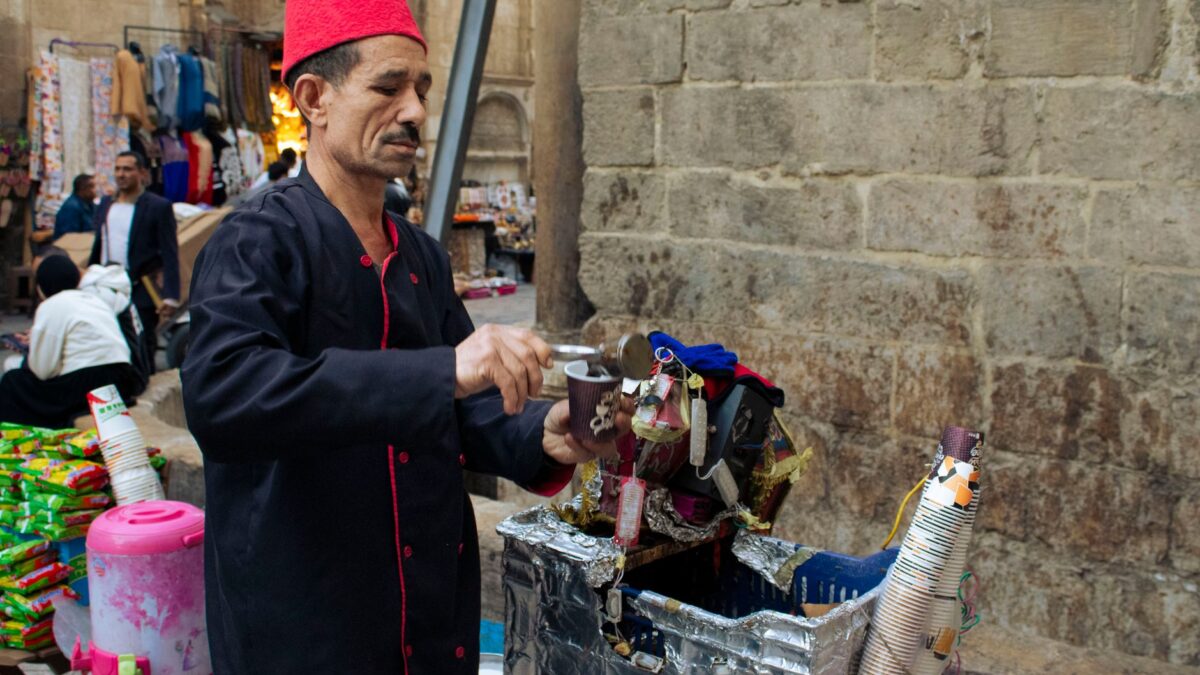
The late-September heat in Cairo still clings to the air, a dry warmth that feels less like summer and more like an invitation to wander. It is the tail end of the fierce season, but the city is alive with the rhythm of back-to-school bazaars and the first whispers of the tourist rush. If you are planning a week here on a mid-range budget, you will find that Cairo rewards curiosity far more than it drains wallets, provided you know where to look. The Egyptian pound has faced devaluation, pushing costs up from previous years, yet street food remains incredibly affordable compared to global standards. This guide walks you through seven days of living like a local, anchored to real prices for meals, transit, and culture.
Day 1: Settling into Downtown and the Rhythm of the Metro
Your week begins in Downtown (Wust el-Balad), the colonial-era core around Tahrir Square. This is the heartbeat of the city’s cultural life. For accommodation, look toward hotels like the Central Cairo Hotel or the Cairo Home; expect to pay roughly 10,400 EGP per month if you were renting a modest one-bedroom flat in this center, though nightly rates vary. Start by walking the streets. The architecture tells stories of the early 20th century, and the cafes buzz with energy.
For lunch, skip the hotel restaurant. Head to a local spot for a plate of koshari—the national dish of rice, lentils, pasta, and chickpeas topped with spicy tomato sauce. A filling plate costs about 25–40 EGP ($0.70). In the afternoon, visit the historic Egyptian Museum in Cairo. As a foreign adult, the entry ticket runs between 600–900 EGP ($17), a significant jump from what locals pay, but essential for seeing the vast pharaonic collection pending the full handover to the Grand Egyptian Museum. To get around, use the metro. A single ticket for a short ride costs just 8–20 EGP ($0.20), depending on the distance. It is clean, fast, and the best way to avoid the notorious traffic jams that plague areas like Haram Street near Mariouteya.
Day 2: Islamic Cairo and the Spice of Khan el-Khalili
Today, trade your AC bus fare of 23 EGP for a walk through Historic Cairo. Begin at the Cairo Citadel & Mosque of Muhammad Ali. The views from Saladin’s 12th-century fortress are panoramic, overlooking the sprawling city below. Entry fees for foreigners are typically comparable to other major sites, so budget around 200–300 EGP for access to the complex. Afterward, descend into Khan el-Khalili.
This medieval bazaar is a sensory overload of gold, brass, and textiles. While shopping can add up, keep your budget tight by focusing on the atmosphere. For dinner, head to the El Hussein night market area nearby. You can secure a filling local meal for 50–150 EGP ($2.20) per person. Look for ta’ameya sandwiches (Egyptian fava-bean falafel) which cost only 10–20 EGP ($0.30), or hawawshi, spiced minced meat baked in baladi bread, for 30–50 EGP ($0.90). These are the staples of Cairo’s cheap-eating scene, offering deep flavor without the tourist markup.
Day 3: Zamalek’s Green Canopies and Contemporary Arts
Cross the Nile to Zamalek, the leafy island quarter on Gezira. This is the classic walkable district for expats and artists, lined with embassies, art galleries, and cafes. The vibe here is quieter, greener, and distinctly cosmopolitan. Take a short taxi ride; metered white cabs start at 11.5 EGP plus roughly 20.5 EGP/km, making a five-minute downtown hop cost around 50–100 EGP ($0.40).
Spend your morning browsing galleries. If you are visiting in early September, check if the 33rd Cairo International Festival for Experimental Theatre (CIFET) is still running shows at venues like the Salam or Falaki theaters. Afterward, find a seat at a specialty coffee shop like Sips Specialty Coffee or The Jungle café. A cup of coffee at a local ahwa costs about 30 EGP ($0.70). In the evening, enjoy the promenade along the Nile. The weather is cooling slightly, hovering around 23–38°C, making outdoor dining pleasant.
Day 4: Coptic Heritage and Al-Azhar Park
Explore the layers of Christian history in Coptic Cairo. Walk through the Babylon fortress area to see the Hanging Church and the Coptic Museum. This cluster offers a peaceful respite from the noise of the modern city. Entry tickets are generally affordable, often falling in the same range as other state museums (600–900 EGP).
From there, climb the ridge to Al-Azhar Park. This green space features restored Ayyubid city walls and stunning views over the ‘City of the Dead’. It is a perfect spot for a picnic. Buy fresh fruit and juice from vendors inside—the park is known for its cleanliness and order. For lunch, return to the historic districts and try ful medames with baladi bread and tea, a breakfast staple that works well for a light lunch at 15–30 EGP ($0.50). The contrast between the ancient tombs outside the walls and the lush park inside is striking.
Day 5: The Pyramids and the New GEM
No trip to Cairo is complete without the westward journey to Giza. Take the metro or a ride-hailing app to the Giza Plateau. The Great Sphinx and the pyramids are awe-inspiring. Note that entry fees for foreign adults at the Giza Pyramids are approximately 1,500 EGP. This is one of the few places where the tourist-local price gap is stark.
If the Grand Egyptian Museum (GEM) has fully opened its Tutankhamun collection to the public during your stay, factor in a separate entry fee. The GEM is sprawling and located right beside the pyramids. After your visit, consider staying for dinner in Giza or returning to Cairo. Be aware that construction for Metro Line 4 stations is causing heavy traffic jams across Giza and Imbaba, so allow extra time for transit. Drivers are being rerouted to designated detours, which can add complexity to your travel plans.
Day 6: Maadi, Nature, and Local Life
Head south to Maadi, a tree-lined suburb with low-rise buildings and a large expat community. This area feels different—more residential and relaxed. Visit Wadi Degla Protectorate, a desert canyon at Maadi’s edge. It is the city’s quick nature escape, perfect for hiking or mountain biking. Access is often free or low-cost, depending on the trail.
In the afternoon, explore the local markets. If you are here in early September, the Cairo Bazaar at the Modern Market Complex in Madinet Nasr might be running alongside ‘Ahlan Madaris’ exhibitions, selling food and supplies at discounts exceeding 50%. While primarily for locals, the vibrant crowds and deals offer a glimpse into daily Egyptian life. Dinner in Maadi can be found at restaurants like ENOCI Bistro or Oldish, where prices are higher than street food but still reasonable for international standards. A simple meal might cost 150–300 EGP.
Day 7: Farewell Feasts and Final Transits
Your final day is for reflection and last-minute discoveries. Return to Downtown for a walk past Tahrir Square. Visit Varanda for a final coffee. Before leaving, ensure you have accounted for all small expenses. Remember that while the pound has devalued, making Egypt expensive for some foreigners, the sheer volume of low-cost options means you can stretch a mid-range budget significantly.
Use a ride-hailing app like Uber or Careem for your airport transfer; it is safer and more predictable than hailing a street taxi at night. Check your digital visa status if you extended your stay beyond the initial 30 days, as overstaying accrues daily fines. As you depart, take with you the taste of koshari, the sound of the call to prayer echoing over the old city, and the knowledge that Cairo is a city that lives loudly, beautifully, and affordably.
Frequently asked questions
How much does a single metro ticket cost in Cairo?
A single metro ticket costs between 8 EGP for 1–9 stations and 20 EGP for longer rides of 23+ stations. It is one of the cheapest ways to navigate the city.
What is a typical budget for street food in Cairo?
Street food is very affordable. A plate of koshari costs 25–40 EGP, ta'ameya sandwiches are 10–20 EGP, and a filling meal at El Hussein night market ranges from 50–150 EGP.
Are there differences in museum entry fees for tourists and locals?
Yes, the difference is significant. Foreign adults pay around 600–900 EGP for the Egyptian Museum and ~1,500 EGP for Giza, while locals pay far less, sometimes by a factor of 10.
How much should I budget for a monthly rent in Cairo city center?
A modest one-bedroom flat in Cairo city centre rents for approximately 10,400 EGP per month, while outside the centre it is around 7,400 EGP.
Is it safe to use taxis in Cairo at night?
Cairo is generally safe, but for night travel, it is recommended to use ride-hailing apps like Uber or Careem rather than street taxis to avoid harassment or meter disputes.
Things to do in Egypt
 Full Day Private Luxor East & West Bank Tour With Egyptian Lunch
 Giza Pyramids, the Grand Egyptian museum " GEM "
 Private VIP Tour : Giza Pyramids, Sphinx & Grand Egyptian Museum
 Luxor Day Tour from Hurghada
 Cairo Street Food with a Local Family
 Private Guided Tour to Giza Pyramids Egyptian Museum & Khan El Kahlili Bazaar