

A week in Copenhagen on a mid-range budget
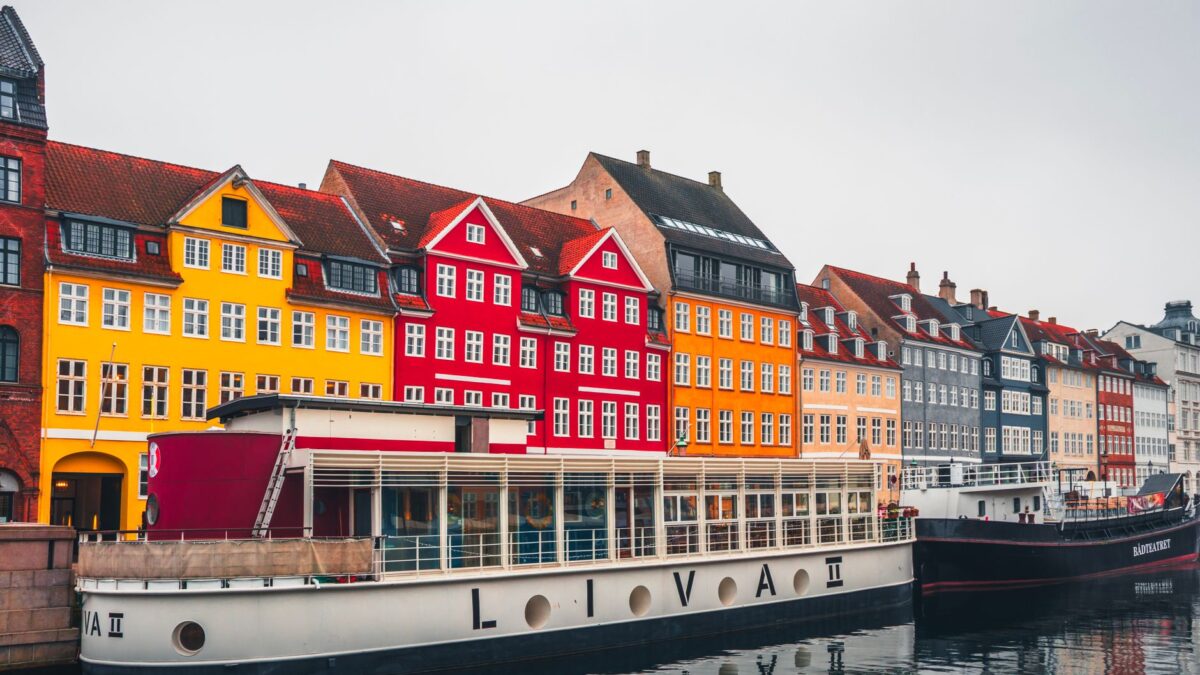
The rain in Copenhagen doesn’t just fall; it hangs. It’s a fine, persistent mist that turns the cobblestones of Indre By into a mirror and makes the autumn chill settle deep in your bones. I’m writing this from a café in Vesterbro, watching the light fade early at 4:30 PM as the city prepares for its hygge season. If you’re planning a week here in mid-October, you’re stepping into a time when Tivoli Gardens is decked out for Halloween with thousands of pumpkins, and the schools are on autumn half-term (efterårsferie). It’s beautiful, but let’s be honest: Denmark is one of Europe’s most expensive places to visit. You don’t need to spend a fortune to have an authentic experience, but you do need to know where the money goes.
Setting Your Budget Baseline
Before we dive into day-by-day costs, let’s look at the landscape. In 2026, the Danish krone (DKK) hovers around 6.89 per US dollar. A single meal at an inexpensive local restaurant runs about 150 DKK ($22), while a proper three-course dinner at a mid-range spot will set you back roughly 400 DKK ($60). A cappuccino? Expect to pay around 45 DKK ($7). These aren’t tourist traps; these are the prices for daily life.
For accommodation, if you want to stay central, a modest hotel room can easily exceed 1,500 DKK a night. To keep things mid-range, consider staying slightly outside the immediate historic core or opting for a high-quality hostel like CityHub or Wakeup Copenhagen. For this guide, I’ve budgeted for a comfortable private room in a solid mid-tier hotel or a premium hostel pod, averaging around 1,200–1,400 DKK per night. This keeps you safe, clean, and close to the action without draining your wallet entirely.
Day 1: The Historic Core & Hygge Starts
Your first day is about orientation. Start at Nyhavn, the iconic 17th-century harbour. While the colorful facades are free to admire, resist the urge to eat there—it’s pricey and geared toward tourists. Instead, walk down Strøget to City Hall Square and wander through Kongens Have (King’s Garden) surrounding Rosenborg Slot. The castle itself costs around 100 DKK, but the garden is free, and it’s the perfect place to escape the drizzle under the trees.
Lunch should be a classic smørrebrød. Head to a traditional bakery or deli for an open-faced sandwich. A piece costs between 75 and 120 DKK ($14–$17). It’s heavy, delicious, and worth every øre. In the afternoon, visit Amalienborg Palace to see the Changing of the Guard (free) and peek inside the Marble Church. Dinner? Skip the fancy spots. Find a cozy bistro in Christianshavn for a hearty meal. With a drink, expect to spend about 300 DKK ($45). Transit today is minimal; walk everywhere. Cost estimate: ~1,500 DKK total (including accommodation).
Day 2: Canals, Design, and Street Food
Today, embrace the water. Rent a kayak or take a canal tour in Christianshavn. The boat tours run about 200 DKK, but if you’re on a budget, simply walk the canals yourself. Visit Vor Frelsers Kirke (Church of Our Saviour) and climb the spiral tower for a view that’s hard to beat. Then, head to Reffen, the street food market built on a former industrial site. It’s vibrant, multicultural, and far more affordable than sit-down restaurants. Grab a meal from a stall for 100–130 DKK ($17). Pair it with a local beer—draught pints average 60 DKK ($9).
In the evening, explore Kødbyen (the Meatpacking District) in Vesterbro. It’s transformed from a red-light district into a hub of bars and restaurants. Even if you don’t dine here, the atmosphere is electric. For a cheaper option, grab a hot dog from a pølsevogn on the way home—a staple for 35–50 DKK ($6). Transit: Use the Metro. A single 2-zone ticket is 24 DKK ($3). Total day cost: ~800 DKK (excl. hotel).
Day 3: Museums and Mid-Autumn Break
Mid-October is school holiday week, so the city buzzes with family energy. Visit the National Museum of Denmark near Central Station. Entry is around 100 DKK, and the exhibitions like ‘Could you survive in the past?’ are engaging. Alternatively, if you prefer design, Designmuseum Danmark on Bredgade is stunning. Lunch? Try Torvehallerne, the indoor food market. It’s pricier than Reffen but convenient. Aim for 150 DKK for a good meal. In the afternoon, relax in Fælledparken or browse the boutiques on Jægersborggade in Nørrebro. Dinner at a mid-range restaurant like Restaurant Karla or similar will run you about 400 DKK ($60). Transit: Bus/Metro mix. Cost: ~750 DKK.
Day 4: Tivoli and Autumn Lights
You cannot visit Copenhagen in October without seeing Tivoli Gardens. It’s not just an amusement park; it’s a cultural icon. Tickets start around 200 DKK for entry, plus extra for rides. Since it’s Halloween season, the decorations are spectacular. Go late afternoon to see the lights come on. Eat inside for convenience—a meal might cost 150–200 DKK. Afterward, stroll down Vesterbrogade. The vibe is magical. Dinner nearby could be at The Olive Kitchen & Bar or a simpler spot. Transit: Walk from Central Station. Cost: ~600 DKK (entry + food).
Day 5: Nature and Local Life
Escape the urban density. Take the train to Dyrehaven (Klampenborg), a UNESCO-listed forest north of the city. It’s free to enter, though parking costs. Walk among the deer and breathe fresh air. Return to the city and visit Bakken, the world’s oldest operating amusement park nearby, which has autumn events. Back in the city, enjoy a quiet dinner in Nørrebro, perhaps at Smagsløget sandwiches for a quick, cheap bite (50 DKK). Transit: Train/bus. Cost: ~500 DKK.
Managing Money and Logistics
Transport is easiest with the Rejsekort app or Rejsebillet app. Avoid buying single paper tickets; they’re more expensive. A City Pass can save money if you plan heavy transit use. Always carry ID; police check fares frequently, and fines are steep (750 DKK+). Credit cards are accepted almost everywhere; cash is rarely needed. Be mindful of pickpockets in Indre By and Nyhavn. Copenhagen is very safe, but petty crime exists. Lastly, remember that service charges are included in prices, but leaving a small tip (rounding up) is appreciated for good service.
Frequently asked questions
How much does a mid-range meal cost in Copenhagen?
A typical three-course meal at a mid-range restaurant costs around 400 DKK ($60). For a quicker bite, a smørrebrød is 75–120 DKK, and a street sausage is 35–50 DKK.
Is public transport expensive in Copenhagen?
Single fares are about 24 DKK ($3). Using the Rejsekort app or buying a City Pass can reduce costs significantly compared to paper tickets.
What is the best time to visit Tivoli Gardens?
In mid-October, Tivoli hosts its Halloween season with special decorations. Visiting late afternoon lets you see both the day activities and the illuminated evening atmosphere.
Do I need cash for tips in Denmark?
Service is included in all bills. It is customary to round up the total or leave a small percentage (5-10%) for exceptional service, but tipping is not mandatory.
What is the weather like in Copenhagen in October?
Expect cool temperatures between 7–13°C with frequent drizzle. Days are short, ending by late afternoon, so pack layers and waterproof gear.
Things to do in Denmark
 Private Copenhagen Boat cruise in Scandinavian mahogany boat
 Private Copenhagen Boat Tour: Landmarks and Hidden Gems
 Likely to sell out
Private Copenhagen Family Cargo Bike Tour
Likely to sell out
Private Copenhagen Family Cargo Bike Tour
 Aarhus City Highlights Tour: History, Culture & Street Art
 2-Hour Private Copenhagen Segway Tour - Your own private group
 The Secret to Danish Happiness: Nørrebro Culture & Fairytales