

A week in Hanoi on a mid-range budget
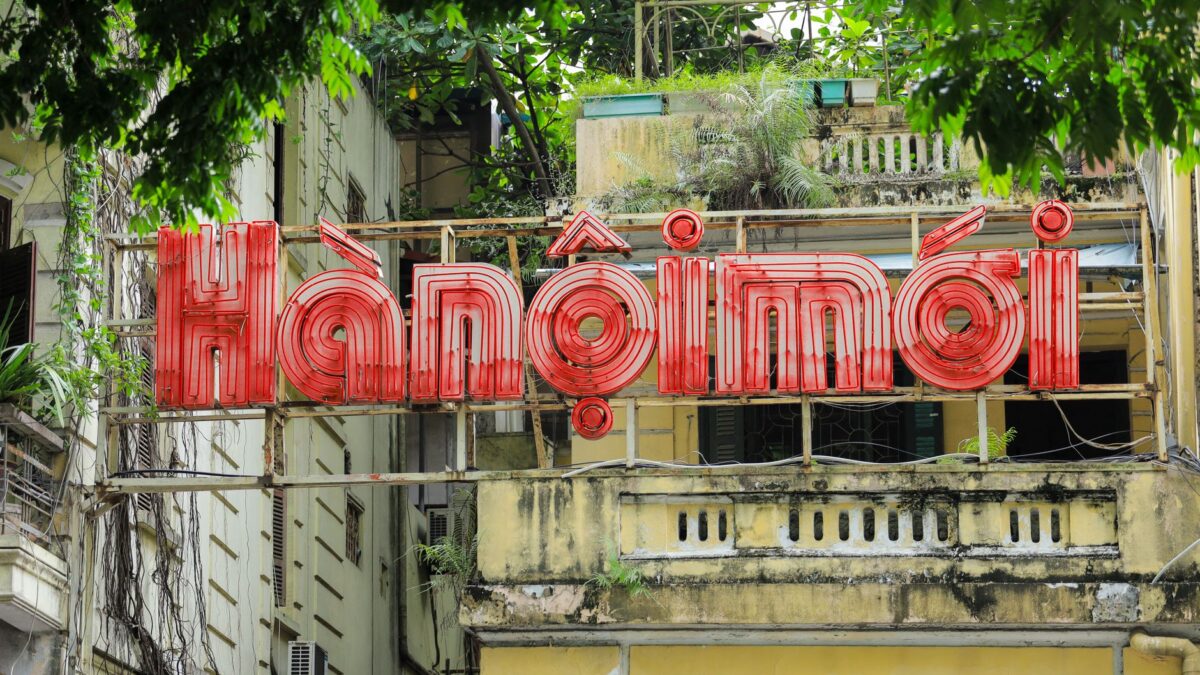
The air in Hanoi this week is thick with the scent of rain-soaked dust and frying shallots. It is late September, a time when the city feels caught between the stormy tail end of summer and the crisp promise of autumn. If you are walking through the Old Quarter right now, you will notice the humidity clinging to your shirt—feels like 38°C even if the thermometer reads 26°C—and the occasional drizzle that turns the cobblestones slick. But there is a pulse here, too. The Mid-Autumn Festival is wrapping up, leaving behind echoes of lantern processions around Hoan Kiem Lake and the lingering sweetness of mooncake boxes still stacked in shop windows.
Staying in Hanoi on a mid-range budget is less about counting every dong and more about understanding where the value lives. Food and transit are incredibly affordable, but accommodation costs have shifted. Rents for locals are climbing, pushing hotel prices slightly higher than they were two years ago. Still, with a little local know-how, you can experience the capital’s heart without draining your wallet. Here is what a week looks like, anchored in real prices as of today.
Where to Stay: The Neighborhood Vibe
Your base camp dictates your daily rhythm. For a first-timer, the Hoan Kiem district (the Old Quarter) is non-negotiable. This is the medieval trading quarter, where streets are named after their historic guilds—Hang Ma for paper goods, Hang Gai for silk. Staying here means you are steps away from the weekend pedestrian night market and the colonial grandeur of the French Quarter. You can find boutique options like Madelise Adora Hotel & Travel or Soleil Boutique Hotel that blend modern comfort with old-world charm.
If you prefer a quieter, greener escape, look toward Tay Ho (West Lake). This is the expat and digital-nomad hub. The shoreline stretches about 17 kilometers, lined with Western cafes along Xuan Dieu street and the ancient Tran Quoc Pagoda. It is leafy, diplomatic, and significantly calmer than the chaos of the Old Quarter. Hotels here, such as May De Ville Lakeside Hotel, offer space and tranquility, though you will pay a premium for the view. For a central, fashionable nightlife vibe, Hai Ba Trung sits just south of Hoan Kiem, vibrant and urban, though it lacks the architectural soul of the north.
A note on housing economics: If you were looking to rent long-term, a modest one-bedroom flat in central districts now runs between 10,000,000 and 15,000,000 VND (about $520). That is a significant jump year-on-year. However, for short-stay travelers, mid-range hotels remain accessible, especially if you book directly or use local platforms.
Eating Like a Local: The Dong Is Your Friend
Hanoi’s culinary scene is the best value proposition you will find anywhere in Southeast Asia. You do not need to spend much to eat well; in fact, the best meals are often found on plastic stools on the sidewalk. A full day of eating locally can easily stay under 200,000 VND ($8.30).
Start your morning with bun cha (grilled pork with vermicelli). At a street stall, this hearty dish costs around 45,000–70,000 VND ($2.4). It is the iconic Hanoi breakfast, best enjoyed while watching the morning traffic flow. For lunch, grab a banh mi from a street cart. These crusty baguettes stuffed with pâté, cilantro, and cold cuts range from 15,000 to 35,000 VND ($1.0). It is fast, cheap, and delicious.
Dinner offers more variety. A bowl of pho bo (beef noodle soup) at a local eatery will set you back 50,000–80,000 VND ($2.7). If you want a sit-down meal at a mid-range local restaurant—perhaps one of the spots in the Dong Xuan Market area or near Hidden Gem Cafe Hanoi—expect to pay 150,000–400,000 VND ($11) per person for a proper feast. Do not miss the egg coffee (ca phe trung). It is a rich, custard-like drink born in Hanoi cafes. A cup runs 25,000–45,000 VND ($1.4). Try it at Hanoi Coffee Culture or Dream Beans Coffee Roastery to understand why locals queue for it.
As evening falls, join the ritual of bia hoi (fresh draft beer). Found at street corners on tiny tables, it is poured fresh daily. A glass costs only 7,000–15,000 VND ($0.5). Sit on the curb, chat with strangers, and watch the city unwind. This is the social glue of Hanoi.
Getting Around: Bikes, Buses, and Grab
Navigating Hanoi requires confidence. The motorbikes are relentless, but the infrastructure is improving. The most practical tool for a visitor is the ride-hailing app Grab. It works exactly like Uber, connects you to cars or motorbike taxis, and handles payment via cash or card. It is safe, transparent, and avoids the hassle of haggling with unofficial taxis.
For public transit, the new metro lines are a game-changer. Line 2A (Cat Linh–Ha Dong) has been open since 2021, linking the southwest. More recently, Line 3 (Nhon–Cau Giay) opened its elevated section in August 2024, serving the west. You can buy single tickets for 8,000–15,000 VND or purchase a reusable Hanoi Metro Card with a 30,000 VND refundable deposit. It is clean, air-conditioned, and efficient for crossing the Red River.
Standard city buses are also an option. A single cash ticket is just 7,000–9,000 VND ($0.3). If you plan to travel extensively, a monthly bus pass is available for 280,000 VND ($12), though routes can be complex for newcomers. Be cautious in the Old Quarter: keep your phone secure. Snatch-theft from moving motorbikes is a known risk, particularly around Ta Hien ‘Beer Street’. Keep bags closed and phones out of sight.
Attractions and Seasonal Events
This week, Hanoi is alive with cultural events. The Mid-Autumn Lantern Procession recently paraded around Hoan Kiem Lake, featuring lion dances and massive moon-palace floats. While the main parade has passed, the festive spirit lingers. The Traditional Mid-Autumn Market on Hang Ma Street was closed to traffic until late September, creating a pedestrian haven for families buying lanterns and toys. Even if you missed the peak dates, the Old Quarter retains a festive atmosphere.
For history, the Temple of Literature (Van Mieu–Quoc Tu Giam) in Dong Da district is a must-visit. Built in 1070, it is Vietnam’s first university and a serene retreat from the heat. Entry is reasonably priced, and the gardens are perfect for photography. Nearby, you can explore Trang Tien Plaza or relax at C.O.C Legacy Specialty Coffee.
In Ba Dinh district, the political heart of the city houses the Ho Chi Minh Mausoleum and the Presidential Palace. The area is wide, leafy, and quiet, dominated by embassies and government buildings. Visit early in the morning to beat the crowds and the heat. Also in Ba Dinh, the Imperial Citadel of Thang Long offers UNESCO-listed ruins that speak to the city’s thousand-year history.
If you have extra time, consider a day trip. Ninh Binh and Halong Bay are popular excursions booked from Hanoi. For wildlife enthusiasts, Cuc Phuong National Park is Vietnam’s oldest national park, reachable within a few hours. Just remember that recent heavy rains have caused flooding in low-lying riverside areas. Check road conditions before traveling outside the city center, and be aware that some rural zones may have restricted access due to landslide risks in areas like Vật Lại commune.
Practicalities: Visas, Money, and Safety
Ensure your paperwork is in order. Most visitors use the 90-day e-visa, costing $25 (single-entry) or $50 (multiple-entry), applied for at evisa.gov.vn. Processing takes about 3–5 working days. Since April 2026, you must also file a Digital Arrival Card via prearrival.immigration.gov.vn within 72 hours of arrival.
Money-wise, carry some cash for street food and small vendors, but cards are widely accepted in hotels and mid-range restaurants. ATMs are ubiquitous. Exchange rates at banks like Vietcombank hover around 26,000 VND per USD. If you need a local SIM, pick one up at Noi Bai airport from Viettel, Mobifone, or Vinaphone. They offer the best coverage.
Safety is generally good, but respect the bureaucracy. Foreigners’ temporary residence must be declared by your host (hotel or landlord) within 12 hours of arrival in urban areas. Failure to comply can result in fines ranging from 3 to 20 million VND. Finally, be mindful of air quality. From November to February, pollution levels can rise, so consider packing an air purifier if you are staying longer or have respiratory sensitivities.
Hanoi is a city of contrasts: ancient temples beside modern metros, humid heat followed by cool breezes, chaotic traffic beside serene lakes. On a mid-range budget, you can taste its soul without breaking the bank. Just keep your wits about you, your stomach ready for pho, and your camera charged.
Frequently asked questions
How much does street food cost in Hanoi?
Street food is very affordable. A bowl of pho bo costs 50,000–80,000 VND ($2.7), and bun cha is 45,000–70,000 VND ($2.4). A full day of local eating typically stays under 200,000 VND ($8.30).
What is the best way to get around Hanoi?
Use the Grab app for reliable car or motorbike rides. Public transport includes the new Line 2A and Line 3 metro (tickets 8,000–15,000 VND) and buses (7,000–9,000 VND). Avoid unregistered taxis.
Do I need a visa for Vietnam in 2026?
Most visitors need a 90-day e-visa ($25 single-entry) applied for at evisa.gov.vn. You must also file a Digital Arrival Card online within 72 hours of arrival.
Are there safety concerns in the Old Quarter?
Hanoi is generally safe, but motorbike snatch-theft occurs in the Old Quarter, especially near Ta Hien street. Keep phones secured and avoid displaying valuables on street-side tables.
What special events are happening in Hanoi this season?
Late September features the tail end of the Mid-Autumn Festival, with lantern markets and processions around Hoan Kiem Lake. The Autumn Festival also promotes the capital as a seasonal destination.
Things to do in Vietnam
 Likely to sell out
Number one top rated ethical cultural trekking and homestay by ETHOS
Likely to sell out
Number one top rated ethical cultural trekking and homestay by ETHOS
 Hanoi Motorbike Tour: Hanoi HIGHTLIGHTS & HIDDEN GEMS
 Da Nang Authentic Home Cooking Class
 Ho Chi Minh/Saigon Zero Tourist Food Tour
 The Central Highlands Explorer Loop
 Eat Like a Local: Saigon Michelin-selected Street Food by scooter