

A week in Helsinki on a mid-range budget
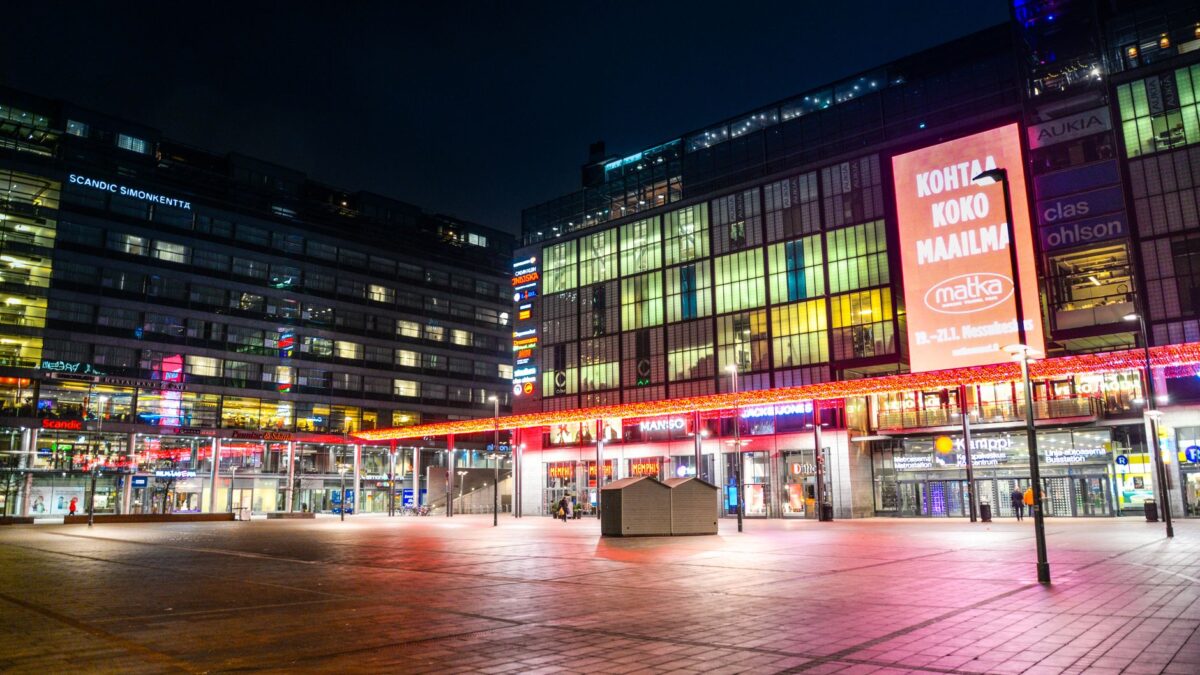
The rain taps a soft rhythm on the tram windows as you glide over the harbour, the white cathedral glowing against a slate-grey sky. It’s 15°C outside, maybe 21 by afternoon, and the city smells of sea salt and fresh rye bread. This is Helsinki in mid-August — not peak tourist season, but the sweet spot where summer lingers and the city feels genuinely lived-in. You’re here for a week, and you’ve got a sensible mid-range budget. Let me show you exactly where that money goes, day by day, so you can relax into the rhythm of this place.
Getting settled: transit and your first day
Land at Helsinki Airport and take the commuter train into the city centre — the brand-new western track opened on 10 August, making the main line four-tracked all the way to Järvenpää. It’s the same HSL ticket you’ll use all week, so don’t fumble with single tickets. Download the HSL app or pick up a travel card at the airport R-kioski. A single adult fare in the AB zone runs about €3.10, but for a week you’ll want the monthly pass (€70–75) — it covers trams, metro, buses, and even the ferry to Suomenlinna. For a seven-day stay, that’s a steal.
Check into a mid-range 3–4-star hotel — expect around €120–160 a night. The Folks Hotel Konepaja in Kallio is my pick for value: it’s a converted factory building with a serious sauna and a breakfast that’ll fuel you past lunch. Drop your bags, then walk to Hakaniemi Market Hall (built 1914) for a basic but brilliant salmon soup with rye bread — about €15 for a proper meal. The market square outside is a riot of berries: lingonberries, bilberries, and cloudberries in neat plastic punnets, all at their August peak.
Day two: Islands and the sea fortress
Today is for Suomenlinna, the 18th-century sea fortress that’s a UNESCO World Heritage Site. The 15-minute HSL ferry leaves from Market Square and is already covered by your monthly pass — no extra cost. Spend the morning walking the ramparts, peeking into the Suomenlinna Museum, and watching Baltic ringed seals bob offshore if you’re lucky. Back on the mainland, walk through Katajanokka, past the red-brick Uspenski Cathedral and the art-nouveau buildings, then grab a late lunch at the Old Market Hall (Vanha Kauppahalli) from 1889. Try the vendace (muikku) — tiny fried fish, a local obsession. That’ll run €15–20 with a soft drink.
For dinner, book a table at Ravintola Nokka in the harbour district. It’s a mid-range splurge at €45–50 for a main plus a starter — think fresh Baltic herring or sautéed reindeer. The seasonal crayfish (rapu) menus are everywhere in August, but those special meals can easily hit €60+; save that for a treat later in the week.
Day three: Design, coffee, and the Rock Church
Start in Punavuori, the heart of the Design District — 25 streets and over 200 shops and studios. Wander along Iso Roobertinkatu, pop into design boutiques, and settle in for a flat white at Kaffa Roastery (a cappuccino runs about €4.70, which is par for Helsinki). Don’t skip the Natural History Museum nearby — it’s fascinating and cheaper than the art museums at around €14.
Walk north to Temppeliaukio Church (Rock Church), blasted into solid granite with a copper dome — it’s a Töölö landmark and still stops me every time. Entry is about €8. From there, it’s a short walk to Oodi Central Library, the wave-shaped public library that’s half community hub, half architectural statement. Climb to the rooftop terrace for a free view over the city. For lunch, do what locals do: a weekday lounas buffet — €12–17 gets you a hot meal, salad, bread, and coffee in almost any neighbourhood restaurant. Ravintola Kannas in Kallio does a mean one.
Day four: Art, a festival, and the bohemian side
Morning at the Ateneum Art Museum (€20–22) — Finland’s heavyweight art collection, from Nordic golden age to modernist icons. If contemporary is more your speed, Kiasma across the street is the same price. Now, here’s the thing about mid-August: Flow Festival takes over Suvilahti from 14–16 August, with Florence + The Machine and Nick Cave headlining. A day ticket runs €100–120, which blows the mid-range budget — but just walking the surrounding streets and catching the free fringe events is a vibe. If you’re into metal instead, Hellsinki Metal Festival happened the previous weekend, so the Ice Hall is quiet now.
Evening in Kallio: this working-class-turned-hipster district is where cheap pints and great people-watching live. A 0.5-litre draft beer runs around €8, but Kallio bars often undercut that. Start at Karhupuisto (Bear Park), then hit the vintage shops on Vaasankatu. For a proper Finnish experience, visit Kotiharju Public Sauna, operating since 1928. Mixed sessions, old-school steam, and afterwards you’ll feel reborn. Entry is about €15.
Day five: Seurasaari, and a sauna by the sea
Take the bus to Seurasaari Open-Air Museum, an island of historic wooden buildings rescued from across Finland — churches, farmsteads, manor houses. It’s €12 entry and feels like stepping into a folk-tale painting. The deer that sometimes swim between the islands? You might spot a white-tailed deer early morning.
Afternoon at Löyly, the iconic timber sauna in the southern harbour. It’s become a bit of a tourist institution, but the design is stunning and the plunge into the Baltic is bracing in the best way. Entry with a towel rental runs about €22. Stay for a light dinner at their restaurant — try the salmon soup again, it’s better than ever, around €25.
Day six: Nature, or a day trip
If the weather holds (it won’t, fully — that’s okay), a day trip to Nuuksio National Park in Espoo is just a 35-minute bus ride away. The bus from Espoo costs less than €5, and the trails around the lakes are free and pristine. Pack a picnic from any S-market: a loaf of bread (€2.20), some local cheese, and a punnet of berries gets you a feast for under €10. Forage for wild mushrooms if you know what you’re doing — chanterelles are everywhere.
Back in the city, walk the Eira/Ullanlinna enclave and admire the quiet 19th-century streets. Dinner tonight at Lappi Ravintola for classic Lapland dishes — reindeer, Arctic char, cloudberry dessert. It’s touristy but good, and you’ll spend around €50 total.
Day seven: Markets, a museum, and the last light
Last full day. Start at Fazer Café Kluuvikatu — the grand coffee house of Finland’s chocolate dynasty, where a korvapuusti (cinnamon bun) and a latte makes the perfect €9 breakfast. Walk the Esplanadi, then hit the Market Square for any last souvenirs — puukko knives, hand-spun yarn, birch-bark baskets. The Paradox Museum Helsinki is a fun, interactive stop for something different, at around €18.
For your final dinner, skip the heavy stuff and grab a street-food burger or a tray of grillimakkara (grilled sausage) from a market stall, and eat it at Hietaniemi Beach watching the sun set at 21:29. That’s the magic of mid-August: the light goes on forever, and the city feels like it’s exhaling after a long summer. Budget-wise, you’ve done well — with the lounas trick, a transit pass, and careful choice of splurges, a week in Helsinki lands around €800–900 excluding flights. That’s a solid mid-range week in one of Europe’s most quietly beautiful capitals.
Frequently asked questions
How much does a week in Helsinki cost on a mid-range budget?
Expect around €800–900 per person excluding flights, based on a €120–160/night hotel, daily lounas lunches at €12–17, a few museum entries at €20, and a couple of €45–50 dinners. A monthly HSL transit pass for €70–75 covers all trams, buses, and the Suomenlinna ferry.
Is the HSL monthly pass worth it for a short trip?
Yes, for a week or more. A single AB-zone ticket is €3.10, so you’d break even after about 23 rides — and you’ll easily hit that with trams, the metro, and the ferry to Suomenlinna (which is included).
What's the cheapest way to eat well in Helsinki?
Use the weekday lounas (lunch buffet) system. From Monday to Friday, sit-down restaurants serve a hot meal, salad, bread, and coffee for €12–17. It’s how locals eat out without breaking the bank.
What does the Flow Festival cost and is it worth it?
Flow Festival (14–16 August 2026) day tickets run around €100–120, which is a splurge. If that’s off-budget, the surrounding Suvilahti area has free fringe events and a great atmosphere worth walking through.
Is Helsinki safe to walk around at night?
Yes, Helsinki is one of Europe’s safest capitals. The trams and metro run late, streets are well-lit, and even the Kallio district feels fine after dark. Emergency number is 112 if needed.
Things to do in Finland
 Helsinki Walking Tour - Small Group
 Snowmobile Safari in Helsinki Archipelago with Lunch
 Guided Daytime Ski Adventure: Explore Private Trails by Rovaniemi
 Winter Wonderland Hike in a National Park
 Northern Lights Hunting Photography Tour in Rovaniemi Finland
 Helsinki: Archipelago Exploration at Porkkalanniemi peninsula