

A week in Jakarta on a mid-range budget
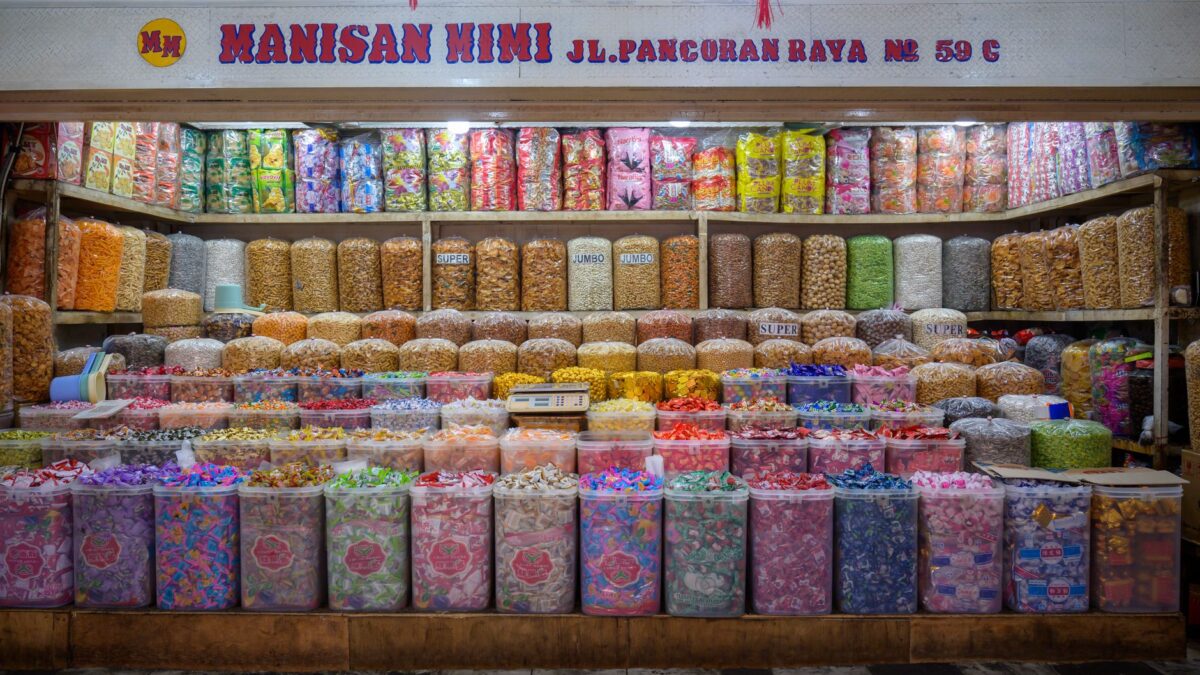
The air in Jakarta doesn’t just sit; it presses. It is late September, the tail end of the dry season, and the heat is a physical weight—24 to 34 degrees Celsius, but with humidity making it feel closer to 39°C. You step out of Soekarno-Hatta Airport and the haze hits you first, a dusty, hazy blanket over the sprawling megacity of 8.5 million people. But here is the secret that locals know: beneath the sweat and the traffic, Jakarta is surprisingly gentle on your wallet if you know where to look. This isn’t the luxury SCBD skyline experience; this is the lived-in, gritty, vibrant heart of Indonesia, accessible for less than most think.
Where You Sleep and How You Move
Your base camp matters. If you want the leafy, diplomatic charm of Dutch-colonial villas and art-deco streets, aim for Menteng. It is central, safe, and filled with street-food strips like Jl. Sabang. For a week, you aren’t looking at long-term leases—which hover around Rp4–8 million ($380) outside the centre—but a short stay. A mid-range 3-star hotel with breakfast will run you about Rp500,000 to Rp1,050,000 per night (roughly $30–$65). Places like Hotel Cantik Syari or Ana Hotel offer comfort without the corporate stiffness of the high-rises. If you are tight on cash, budget guesthouses in areas like Senopati can be found for around Rp225,000 ($18), but for a week-long immersion, that mid-range sweet spot gives you air conditioning and hot water, which are non-negotiables here.
Getting around requires strategy. The traffic is legendary, so you avoid it when possible. The public transit network is modernizing fast. You have the MRT Jakarta, the LRT, TransJakarta BRT buses, and the KRL Commuter Line. The key is the Jak Lingko integrated tap card. A single ride on the TransJakarta bus is a flat Rp3,500 (about $0.20), and the MRT costs between Rp4,000 and Rp14,000 depending on distance. If you use multiple modes within a three-hour window, there is an integrated fare cap of Rp10,000 ($0.60). That is dirt cheap. Recently, the new LRT route connecting Kelapa Gading in the north to Manggarai in the south opened up new possibilities, though you should check for construction detours near Glodok station where road layouts are shifting due to Phase 2A works.
Days 1-2: Colonial Echoes and Chinatown Eats
Start your week in Kota Tua, the Old Batavia district. It is a 15-minute taxi ride north from Menteng. Spend your morning wandering Fatahillah Square, surrounded by 17th-century Dutch colonial architecture. Visit the Jakarta History Museum to understand how Sunda Kelapa became Batavia under Jan Pieterszoon Coen in 1619. Lunch here is an event. Skip the tourist traps for Café Batavia and instead find a local warung nearby. A plate of nasi goreng at a warteg costs about Rp20,000–Rp35,000 ($1.70). It is simple, spicy, and perfect fuel.
In the afternoon, head to Glodok, the city’s Chinatown. This is where the trading streets date back centuries. Walk through Petak Sembilan market early if you can, or visit Vihara Dharma Bhakti temple. The energy here is different—denser, older. Dinner should be satay. Find a street stall serving sate ayam with rice cake; expect to pay Rp25,000–Rp40,000 ($2.00) for a portion. It is smoky, sweet, and deeply satisfying. End the day with a walk along the Sunda Kelapa harbour, watching the traditional pinisi schooners load timber. The cost for these two days? Roughly Rp1,500,000 ($95) including accommodation and all meals/transit.
Days 3-4: Modern Spines and Green Refuges
Shift gears to the financial spine of Jakarta: Sudirman and SCBD. This is the post-2020 nightlife and business centre, a canyon of skyscrapers housing the Indonesia Stock Exchange and Bank Indonesia headquarters. During the day, it feels sterile, but the museums bring it alive. Visit the Museum Nasional Indonesia (Museum Gajah) or the contemporary Museum MACAN. Entry fees are modest, often under Rp50,000. Grab coffee at % Arabica Jakarta Roastery or Lucky Cat Coffee & Kitchen to watch the world go by.
For a break from the concrete, seek out the green refuges. Taman Suropati in Menteng is a quiet oasis of banyan trees, perfect for an evening stroll. Or take the MRT down to Taman Literasi Martha Christina Tiahahu in Blok M. This area, known as ‘Little Tokyo’ due to its concentration of Japanese businesses, comes alive at night. Jl. Melawai is packed with bars and restaurants. You don’t need to spend big; order a beer and some fried chicken at a local eatery for Rp50,000 ($3). The contrast between the glass towers of SCBD and the street-level chaos of Melawai defines modern Jakarta.
Days 5-7: Culture, Nature, and the Real Cost of Living
By the final days, you might crave something beyond the urban sprawl. If you have time, a trip to Ragunan Zoo allows you to see Sumatran orangutans and Komodo dragons for a fraction of international zoo prices. Alternatively, if the weather holds, take a boat to Kepulauan Seribu (Thousand Islands). Pulau Pramuka or Pulau Tidung are an hour or two away, offering coral reefs and a chance to escape the subsiding northern coast. Note that northern Jakarta is measurably sinking, driving the Giant Sea Wall project, so the islands offer a glimpse of the natural resilience the city tries to protect.
Back in the city, immerse yourself in Betawi culture. The indigenous Betawi identity—with ondel-ondel effigies, gambang kromong music, and lenong theatre—is anchored at Setu Babakan cultural village. It is a reminder that despite the Indonesian government moving the capital to Nusantara in East Kalimantan, Jakarta remains the cultural and economic soul of the archipelago. Enjoy a final dinner at Social House Grand Indonesia or a rooftop drink at Cloud Lounge Jakarta to reflect on the week.
Practical Notes: Visa on Arrival (e-VOA) is IDR 500,000 for 30 days. Register your SIM card at a Telkomsel or Indosat shop with your passport. Use QRIS payments (GoPay/OVO/Dana) everywhere, even at street stalls. Traffic is your main hazard, not crime. Stay hydrated, embrace the rain showers that hint at the coming wet season, and let Jakarta’s chaotic rhythm guide you.
Frequently asked questions
How much does it cost to stay in Jakarta for a week?
A mid-range 3-star hotel typically costs Rp500,000–Rp1,050,000 ($30–$65) per night. Budget guesthouses start around Rp225,000 ($18). Including meals and transit, expect to spend roughly Rp1.5–2 million ($95–$130) per day excluding lodging.
What is the best way to get around Jakarta on a budget?
Use the Jak Lingko integrated tap card for the MRT, LRT, and TransJakarta BRT. A single bus ride is Rp3,500 ($0.20), and there is a daily fare cap of Rp10,000 ($0.60) for multi-mode trips within three hours.
Is Jakarta safe for tourists?
Jakarta is generally low-crime for its size, but petty theft and phone snatching occur in crowded areas. The primary danger is traffic; use Grab or Gojek after dark and remain vigilant in busy districts.
How do I pay for things in Jakarta?
QRIS digital wallets like GoPay, OVO, and Dana are ubiquitous, accepted even at street stalls. Cash is still useful for small warungs, but cards work in malls and mid-range hotels.
Things to do in Indonesia
 PRIVATE Authentic Balinese Cooking Class in Ubud at Putu's Home
 Ubud Highlights: Monkey Forest, Rice Terrace, Tirta Empul Temple
 Anggrek Putih Lombok Cooking Class & Garden Tour
 Ubud Adventure All Inclusive Private Day Tour
 Likely to sell out
Nusa Penida Two Dives Trip for Certified Divers
Likely to sell out
Nusa Penida Two Dives Trip for Certified Divers
 Bali Airport Transfer Service in Private