

A week in Lima on a mid-range budget
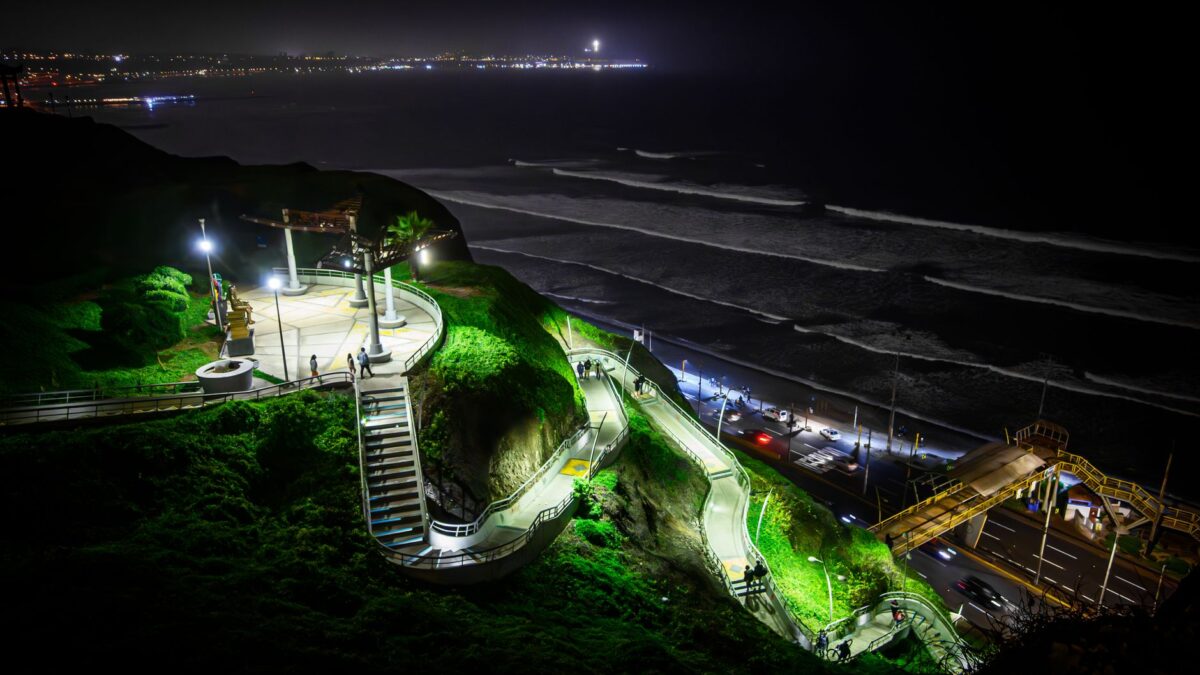
The garúa—the persistent coastal fog—clings to the Malecón in Miraflores, turning the ocean view into a soft, grey watercolor. It is mid-October, and the air smells of damp earth and frying meat. This is the season when Lima turns purple for Mes Morado, honoring the Señor de los Milagros, and the streets are lined with vendors selling turrón de Doña Pepa, a dessert of mazamorra morada, dried fruits, and sesame seeds. If you are arriving now, you are stepping into a city that is affordable but shifting. Rents have climbed sharply over the last year, yet for a visitor, daily costs remain gentle. Here is how a week feels—and costs—in the capital.
Where You Sleep: The Rent Reality vs. Hotel Reality
Lima’s housing market has tightened. A modest one-bedroom flat in the city centre now averages around S/ 1,450 to S/ 2,140 monthly, while non-centre options hover near S/ 1,580. For your week-long stay, you will not be paying rent, but hotel prices reflect this inflation. In Miraflores, the tourist heart, you can find solid mid-range options like Casa Andina Standard Benavides or La Casona Azul Guesthouse. Expect to pay roughly S/ 150–250 per night depending on the season and booking window. If you want a local feel without the price tag, Peruvian Wasi – Bed and Breakfast offers a homey alternative. Stay in Miraflores or San Isidro for safety and walkability; these districts are the most reliable bases for a first-time visitor.
Daily Fuel: Eating Like a Local (and a Tourist)
Food is the easiest way to stretch your budget in Lima. The city runs on the menú del día, a lunch special found in nearly every neighbourhood restaurant. For about S/ 12–16, you get a soup course, a main dish (often chicken, beef, or fish), rice, salad, and a drink. This is how locals eat. Try Panchita in Miraflores for a hearty set meal, or head to Isolina for a more traditional, rustic experience. These meals cost about $4 USD, making them the backbone of your daily food budget.
For dinner, you might splurge. A plate of ceviche at a dedicated cevichería like Punto Azul or Casa Tambo Restaurant will run you S/ 25–35 ($8). If you aim for a mid-range dining experience at a place like El Bodegón, expect to spend S/ 60–75 per person ($18) for a full meal with wine. Coffee culture is strong here; a cappuccino at a local chain or Rutina Café costs around S/ 10–14 ($3). If you prefer to cook, a loaf of bread from a panadería is about S/ 8.58, and milk is S/ 4.20 per litre. Your food budget for a week, mixing menus and occasional nicer dinners, should sit comfortably between S/ 150 and S/ 300.
Moving Through the Grey City
Lima is vast, and traffic is legendary. Avoid hailing random street taxis; use apps like Uber, Cabify, or Yango for safety and fixed pricing. A short ride within Miraflores might cost S/ 3–10 ($1.70) as a base fare, but longer trips across the city add up quickly.
For public transit, the system is efficient if you know how to use it. The Metropolitano bus rapid transit is the best way to cross north-south. A single trip costs S/ 3.20 ($0.90), or S/ 3.50 if integrated with feeder buses. You need a Tarjeta Metropolitano (S/ 4.50 for the card itself), which you can top up using mobile wallets like Yape or Plin. For east-west travel, the Metro de Lima Line 1 is faster and cheaper at just S/ 1.50 ($0.40) per ride. Combining these methods, you can spend less than S/ 10 a day on transport. Keep in mind that major events can disrupt flow; for instance, the EXCON construction expo and Perú Business Fest recently drew thousands to San Borja, causing heavy traffic around Javier Prado. Always check for event-related closures before heading out.
A Week of Attractions: Culture and Coast
Your itinerary should balance history with the unique geography of Lima. Start with the Centro Histórico. Visit the Lima Main Square and the Lima Cathedral during the day. The Monasterio de San Francisco is a must-see for its colonial catacombs and library. Entry fees are modest, often under S/ 20 combined. However, avoid wandering Centro after dark; stick to the well-lit tourist routes and return to Miraflores by evening.
In Miraflores, walk the Malecón de Miraflores and visit Parque del Amor. The clifftop views are free, though paragliding costs extra. Visit the Huaca Pucllana site museum to see the pre-Inca pyramid rising from the modern district. Nearby, the Larco Museum in Pueblo Libre offers an exceptional collection of pre-Columbian art. A ticket here is a worthwhile investment, usually around S/ 30–40.
If you are visiting in October, keep an eye on the cultural calendar. The Lima Lee book fair occupies the Museo Metropolitano de Lima, offering free entry to talks and stands. Meanwhile, the Señor de los Milagros processions may close key streets like Tacna and Junín from early morning. These religious events are central to Lima’s identity, so embrace the delays as part of the experience rather than obstacles. For a change of pace, take a boat trip from Callao to the Palomino Islands to see sea lions, or explore the street art in Callao Monumental, preferably with a guided tour for safety.
Practicalities: Cash, Cards, and Safety
Lima is increasingly cashless for small transactions, but cash remains king for markets and smaller vendors. Mobile payments via Yape and Plin are ubiquitous. As a foreigner, you can open a bank account, but it typically requires a residency card (carné de extranjería) and a tax number. For tourists, carrying a mix of cash (soles) and cards is sufficient. Withdrawals from ATMs of banks like BCP or Interbank are safe in secure locations.
Safety varies by district. Miraflores and San Isidro are the safest, with visible police presence and well-maintained streets. Centro Histórico is busy and vibrant but requires vigilance against pickpockets. Callao and La Victoria are best visited with a guide or for specific purposes like catching a bus from the terminals in La Victoria. Always carry a photocopy of your passport; keep the original in your hotel safe. Remember, entry is visa-free for most Western tourists for up to 90 days, and the paper migration card has been replaced by a digital TAM Virtual available through the Migraciones app.
Frequently asked questions
How much does a typical lunch cost in Lima?
A 'menú del día' at a local restaurant typically costs between S/ 12 and S/ 16, including soup, main, and drink.
What is the best way to pay for public transport in Lima?
Use the Tarjeta Metropolitano for the BRT and Metro Card for Line 1. You can top them up with cash or mobile wallets like Yape and Plin.
Is it safe to walk around Centro Histórico at night?
It is generally advised to avoid Centro Histórico at night due to safety concerns; stick to Miraflores or San Isidro for evening walks.
Do I need a visa to visit Lima for a week?
Most US, UK, EU, and Canadian citizens enter visa-free for up to 90 days, provided their passport is valid for six months.
Things to do in Peru
 Anthropologist-Led Horseback: Moon Temple & Mysticism (Max 5)
 Food and Culture Full day Tour in the Sacred Valley
 4-Day Inca Jungle Trek to Machu Picchu: Biking, Rafting & Zipline
 The Textile Workshop Experience in Cusco Region
 Half Day Private Tour Machu Picchu Cusco Peru
 4-Day Machu Picchu , Sacred Valley and Cusco-Private Guided Tour