

A week in London on a mid-range budget
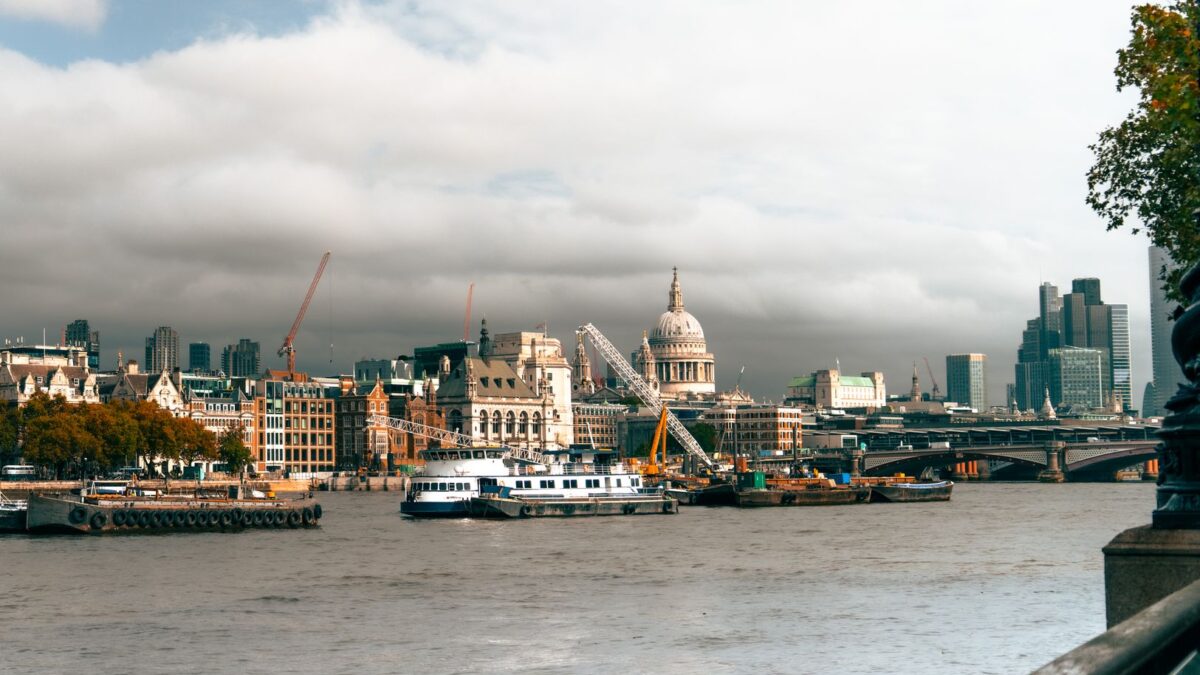
There is a specific quality to London light in late September. The summer humidity breaks, the air turns crisp and golden, and the city settles back into its rhythm after the tourist rush. It’s that time of year when you can walk along the Thames and feel the chill on your face while watching the sunset hit the glass towers of Canary Wharf. If you’re planning a week here without blowing your budget, it requires a bit of strategy. London is famously expensive—rents have climbed over £2,000 a month for a modest flat, and inflation is hovering around 3.9%—but it is also one of the most generous cities in the world if you know where to look.
The Basics: Getting Around and Staying Put
Your biggest daily cost will likely be transit, but thanks to Transport for London (TfL), it’s easier than ever to manage. You don’t need to buy paper tickets. Simply tap any contactless bank card, phone wallet, or an Oyster card on the reader at the station entrance. For a mid-range traveler sticking to Zones 1 and 2, your fare automatically caps at roughly £44.70 per week. That’s about what a local commuter pays, giving you unlimited travel on the Tube, buses, Overground, and the Elizabeth line.
If you are just hopping on buses, take advantage of the Hopper fare. For £1.75, you get one hour of unlimited transfers. This is brilliant for exploring neighborhoods like Shoreditch or Notting Hill without worrying about the meter running. Just remember: avoid black cabs unless necessary. A short one-mile ride can set you back £8–11. Stick to the Tube or bus, and use the Citymapper app, which locals swear by for real-time routing.
For accommodation, you are looking at the upper end of European costs. A mid-range hotel in central zones will run you several hundred pounds a night. To keep things manageable, consider areas slightly further out but well-connected, or look into hostels like the Astor Museum Hostel if you are open to shared spaces. Keep in mind that since February 2026, many visitors from visa-free countries now need a UK ETA, which costs £20 and must be applied for digitally before you arrive.
Day 1: The Iconic South Bank Loop
Start your week on the South Bank, the cultural spine of London. It’s free to walk, and the views are unbeatable. Begin at Borough Market, trading for roughly 1,000 years. Grab a lunch here; it’s pricey for street food, but the quality is unmatched. Expect to pay around £10–14 for a substantial meal from a stall. From there, walk east toward Tower Bridge. If you want to go inside the Tower of London to see the Crown Jewels, budget about £33 for an adult ticket. It’s steep, but historically significant.
In the evening, head west along the river. You’ll pass the Tate Modern, housed in a former power station, and the National Theatre. Both exterior walks are free. Dinner doesn’t have to be fancy. Find a spot near Blackfriars or Southwark for a mid-range restaurant meal costing about £35–50 per person for two courses. Alternatively, grab fish and chips from a chippy for roughly £11–14—a classic London experience that won’t break the bank.
Day 2: Museums and Markets in Bloomsbury
Late September is perfect for museum-hopping. The British Museum is free and houses the Rosetta Stone, but it gets crowded. Go early. Next door, the Natural History Museum and the Victoria and Albert Museum are also free. These institutions are world-class and require no entry fee, making them the backbone of a low-cost itinerary.
For lunch, avoid the tourist traps near Russell Square. Walk a few blocks north to find independent cafes. A flat white or cappuccino will cost about £4.00. For a main meal, a café or local eatery might charge £10–14. In the afternoon, wander through Bloomsbury’s bookshops. If you need a coffee break, Prufrock Coffee is a local favorite known for its serious roasting and quiet atmosphere.
End your day with a pint at a traditional pub. The average price for a pint of lager in central postcodes is around £7.30, though slightly outside the core it drops to £6.50. It’s a small price to pay for the ambiance. Try to find a pub with a garden or a history, like those in the nearby Covent Garden area, though note that venues like Brother Marcus Covent Garden or Bill’s Covent Garden Restaurant are more upscale dining options if you want to splurge once.
Day 3: The Creative Pulse of Shoreditch and Camden
Today, embrace the city’s creative energy. Start in Shoreditch, the hub for tech startups and street art. Walk down Brick Lane for the vibrant atmosphere and Boxpark for quirky retail. Lunch here can be cheap and cheerful; look for curry houses or falafel spots for under £14. In the evening, this district comes alive with nightlife. If you are visiting between 24–26 September, check out AVA London, an electronic music festival taking over venues like FOLD and Outernet Live. Tickets vary, but it’s a unique cultural moment.
Later, take the Overground north to Camden. The market stalls along the canal are iconic. While the food can be pricey, you can browse for hours. The live-music circuit here is legendary, with the Roundhouse and Electric Ballroom hosting major acts. If you’re staying in the area, Georgian House Hotel offers a historic stay, though prices fluctuate. Remember, if you are traveling during the weekend of 26–27 September, the London Overground’s Weaver line is closed between Bethnal Green and Cheshunt due to engineering work, so check your route carefully.
Day 4: Royal Parks and West End Wonders
Spend your morning in Hyde Park. It’s free to enter, and you can rent a rowing boat on the Serpentine if you’re feeling active, or simply people-watch at Speakers’ Corner. The autumn light filtering through the trees is particularly beautiful this time of year. For lunch, head to nearby Mayfair or Marylebone. A loaf of bread from a bakery costs about £1.50, and if you buy some cheese and charcuterie, you can make a picnic that rivals restaurant prices.
In the afternoon, explore Soho. This is the heart of the West End theatre district. Even if you don’t see a show, walking through Chinatown and the narrow streets filled with jazz clubs and cocktail bars is an experience in itself. For dinner, Blacklock Soho is a renowned steakhouse, but it can be pricey. For a mid-range option, try Circolo Popolare, which offers excellent Italian food. If you prefer something more casual, a simple meal in a Soho bistro will still run you £35–50 per person.
Day 5: Greenwich and the River’s Edge
Cross the Thames to Greenwich. Take the DLR or a bus (remember the Hopper fare!) to reach the Maritime Heritage site. Visit the Royal Observatory to stand on the Prime Meridian. Entry is around £20 for adults, but the view from the hill is free. Explore the Cutty Sark ship nearby, which has an additional fee. The area feels distinctly different from the bustle of central London—more spacious, more historical.
Walk back along the river path, passing the Emirates Airline cable car if you want a quick aerial view (additional cost). For dinner, return to the mainland. If you are in London during the last days of September, Totally Thames, the month-long river festival, is wrapping up. Keep an eye out for events like the opera ‘Where the River Holds Us’ happening towards the end of the month. It’s a great way to connect with the city’s artistic side without spending much.
Dining Smart: Saving Money Without Sacrificing Flavor
Eating in London doesn’t have to mean paying premium prices every time. Here are a few tips based on current local averages:
- Breakfast: Skip the hotel buffet. Grab a croissant and coffee from a chain like Pret A Manger or a local bakery. A flat white is about £4.00.
- Lunch: Look for “daily specials” in pubs. Many serve hearty meals for £10–14. Borough Market and Camden Market offer variety, but bring cash or ensure your card works, as some smaller stalls may have minimums.
- Dinner: Reserve ahead for mid-range restaurants like Fallow or Rosslyn Coffee Queen Victoria Street if you want a sit-down meal. Prices for 2-3 courses hover around £35–50. Avoid restaurants directly adjacent to major landmarks like Buckingham Palace or the Houses of Parliament, where prices are inflated.
- Snacks: Supermarkets like Tesco or Sainsbury’s are your friends. A loaf of bread is £1.50, and you can pick up snacks for much less than in convenience stores.
London is a city of contrasts, where you can spend £33 on a castle ticket or walk through world-class museums for free. By using contactless payments, sticking to the bus network when possible, and choosing your dining spots wisely, you can experience the magic of the capital without the financial stress. Just remember to keep your phone secure in crowded areas like Oxford Circus, and enjoy the crisp autumn air as you navigate this incredible city.
Frequently asked questions
How much does public transport cost in London for a week?
Using contactless payment or an Oyster card, the weekly PAYG cap for Zones 1-2 is approximately £44.70. Bus fares are cheaper at £1.75 per journey with unlimited transfers within an hour.
Are there free attractions in London?
Yes, many of London's top museums are free, including the British Museum, Natural History Museum, Victoria and Albert Museum, and Tate Modern. Major parks like Hyde Park and Regent's Park are also free to enter.
What is a realistic budget for a meal in London?
An inexpensive local meal like a chippy main or café dish costs around £10–14. A mid-range restaurant meal with two or three courses typically runs £35–50 per person.
Do I need a visa to visit London in 2026?
Visitors from about 85 visa-free countries, including the US and EU nations, now require a UK ETA (Electronic Travel Authorisation) costing £20, valid for two years. Check the official UK government website for eligibility.
How much does a pint of beer cost in London?
The average price for a pint of lager in central London postcodes is around £7.30, while the city-wide average is closer to £6.50. Prices can be higher in trendy nightlife districts.
Things to do in United Kingdom
 Coasteering Geopark Adventure In Torquay
 The Great British Pub Walking Tour: London
 British Museum & National Gallery of London Semi-Private 8ppl Max
 Luxury Private Tour of The Highlands Loch Ness from Edinburgh
 Likely to sell out
Private Tour to Stonehenge, Bath and The Cotswolds
Likely to sell out
Private Tour to Stonehenge, Bath and The Cotswolds
 Distill a bottle of Gin on mini copper stills