

A week in Mexico City on a mid-range budget
The air in Mexico City has a specific weight to it this time of year—a mix of wet earth, diesel, and the sweet, charred scent of elote roasting on street corners. It is mid-September, the thick of the rainy season, where you might wake up to a light drizzle that keeps the dust off the streets but demands a raincoat for your afternoon wanderings. As Independence Day approaches, the city transforms. Flags drape from every balcony, and the patriotic fervor is palpable. For the traveler arriving with a mid-range budget, this is a magical, slightly chaotic, and surprisingly affordable week to experience the capital.
You do not need to spend a fortune to live like local here. While rents in trendy zones like Roma and Condesa have climbed nearly 30% since 2020, daily costs for food and transit remain incredibly accessible if you know where to look. The currency, the Mexican peso (MXN), is currently trading around 18.305 per US dollar, making your travel funds stretch further than you might expect in other major global cities. Let’s walk through what a week looks like, anchored in real prices and lived experience.
Getting Around: The Five-Peso Lifeline
Your first investment is practicality. To navigate a metropolis of over 12 million people, you need the Tarjeta de Movilidad Integrada (MI). This rechargeable card costs about 15 MXN to purchase and allows you to tap into the Metro, Metrobús, Trolebús, and even the Ecobici bike system. A single Metro ride is a flat 5 MXN (roughly $0.30), a fare frozen since 2013 despite inflation. The Metrobús, the city’s rapid transit bus system, is slightly higher at 6 MXN.
Keep your balance topped up via the App CDMX or at station kiosks; the max load is 500 MXN. If you are visiting right now, be aware that Metro Línea 12 is operating only between Mixcoac and San Andrés Tomatlán due to track repairs, with free RTP buses shuttling passengers elsewhere. Also, the Zócalo/Tenochtitlan station on Línea 2 may be closed ‘until further notice’ due to Independence Day celebrations. Use Uber or DiDi for late nights, as hailing street taxis can be risky, but for daytime exploration, the Metro is your best friend.
Where to Stay: Neighborhoods and Nightly Rates
For a mid-range budget, your neighborhood choice dictates your vibe. Roma Norte is the heart of the action—tree-lined streets, Art Nouveau mansions, and the densest concentration of galleries and cafes. You will find boutique hotels like Casa Amari or Casa Sabina Down Town Mexico city offering stylish rooms without the Polanco price tag. Alternatively, Condesa, just south across Avenida Álvaro Obregón, offers a greener, more residential feel centered around Parque México and Parque España.
If you prefer history, stay in the Centro Histórico. Hotels like Hotel Escala Centro Histórico place you steps away from the Zócalo and Palacio de Bellas Artes. While I cannot confirm exact nightly rates for these properties from current data, booking in advance during this peak season is essential. Avoid trying to guess monthly rent costs for short stays; stick to verified hotel bookings or platforms that list clear pricing. For longer-term comfort, a modest one-bedroom flat in the center runs approximately 18,500 MXN per month, but for a week, a hotel or Airbnb in Roma or Centro keeps you in the tourist-friendly corridor while keeping costs manageable.
Eating Your Way Through the Week
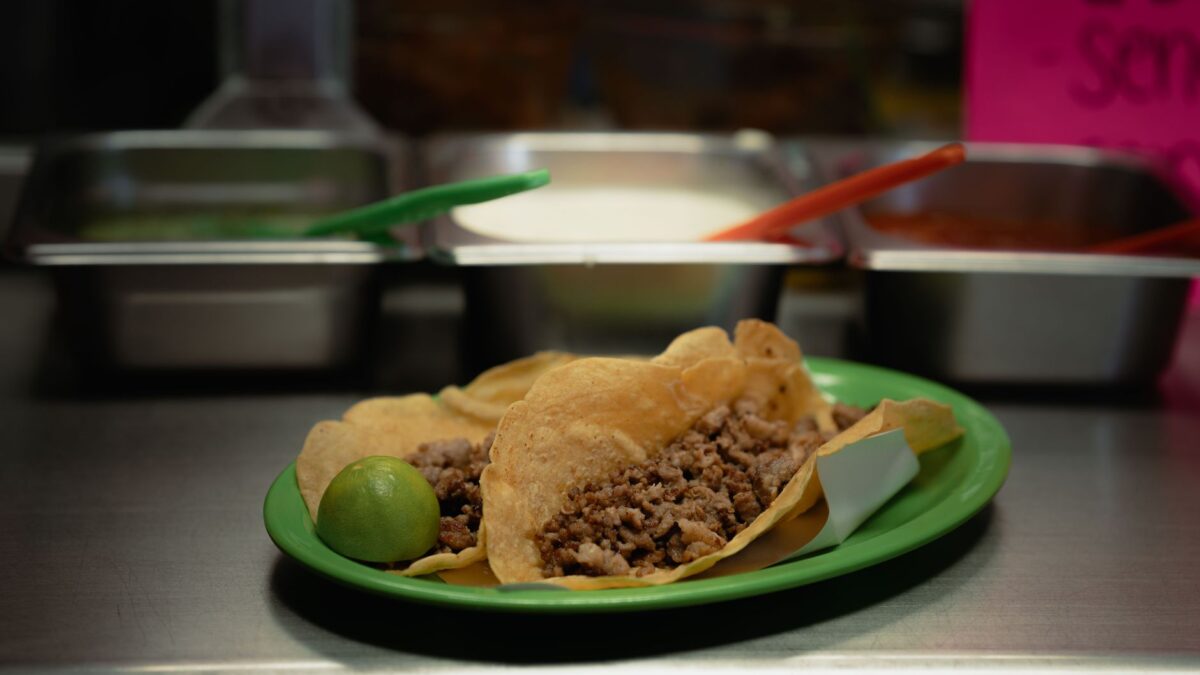
This is where your budget shines. Mexico City is a culinary powerhouse, and you do not need to dine at world-ranked spots like Pujol or Quintonil in Polanco to eat well. Street food is safe, delicious, and dirt cheap.
- Breakfast: Start with a taco de canasta (steamed tacos sold by the piece) for about 9 MXN each, or grab five with a soda for 65 MXN. For a sit-down breakfast, El Cardenal in Centro is legendary for its chilaquiles, costing around 150–380 MXN per person.
- Lunch: Head to a mercado stall. A plate of taquito de guisado (stew-topped taco) is about 25 MXN. A tlacoyo (thick masa cake) runs 30–50 MXN. You can easily fill up for under 50 MXN per person at markets like Mercado de San Juan or Mercado Medellín.
- Dinner: In Roma or Condesa, a mid-range restaurant meal sits around 150–380 MXN. Try Cuina for contemporary takes on Mexican ingredients, or Tezontle Restaurant for a cozy, brick-walled atmosphere. A simple plate of street-stall tacos costs about 50 MXN per person, while individual suadero or tripa tacos from a cart are roughly 20 MXN.
Don’t miss the seasonal elote (sweet corn) season, which peaks right now. It’s an inexpensive snack that defines the autumn street culture.
A Day-by-Day Cost Anchor
Here is a realistic snapshot of how a week unfolds, keeping your spending tight but your experience rich.
Day 1: Centro Histórico & History
Start at the Zócalo. Visit the Templo Mayor ruins (approx. 85–100 MXN entry). Walk to the Metropolitan Cathedral and Palacio de Bellas Artes (free on Wednesdays). Lunch at a nearby mercado stall (~50 MXN). Dinner in Roma (~200 MXN). Transit: ~20 MXN.
Day 2: Chapultepec & Anthropology
Spend three hours at the Museo Nacional de Antropología (closed Mondays; check current ticket prices, typically around 90 MXN). Walk through Bosque de Chapultepec. See the Castle if time permits. Lunch at The Backyard or a park picnic. Transit: ~15 MXN.
Day 3: Coyoacán & Frida
Take the Metro or Uber to Coyoacán. Book tickets in advance for Museo Frida Kahlo (La Casa Azul); walk-ins sell out instantly. Wander Jardín Hidalgo. Eat at Corazón de Maguey for traditional Oaxacan flavors (~250 MXN). Transit: ~30 MXN.
Day 4: Roma & Condesa Exploration
Walk the streets. Visit Cafebrería El Péndulo Roma for coffee and books. Browse reb Shops on Álvaro Obregón. Lunch at Nice Day Coffee or a local taquería (~50 MXN). Evening drinks in Zona Rosa/Juárez district. Transit: ~10 MXN.
Day 5: Xochimilco & Relaxation
Take the Metro to Cuemanco. Rent a trajinera (gondola) in Xochimilco. Prices vary by season and group size, but budget around 500–800 MXN per boat for an hour. Enjoy the chinampas and the axolotl habitat nearby. Transit: ~10 MXN.
Day 6: Polanco & Museums
Visit Museo Soumaya in Nuevo Polanco—it is free and houses an incredible Rodin collection. Walk down Avenida Presidente Masaryk for window shopping. Lunch at Finca Don Porfirio (~150 MXN). Transit: ~20 MXN.
Day 7: Local Life & Markets
Explore a local market like Mercado de Coyoacán or Mercado La Merced. Buy souvenirs like spices or textiles. Final dinner at Café Toscano or a similar Roma staple. Reflect on the week.
Independence Day Weekend: The Grand Finale
Your week coincides with the most intense patriotic period of the year. On September 16, the Grito de Dolores echoes across the city. The main ceremony happens at the Zócalo, but the entire city participates. All 16 alcaldías (boroughs) stage free concerts in their plazas simultaneously. You might hear Los Tigres del Norte in Venustiano Carranza or Calibre 50 in Tlalpan. Drone shows replace fireworks in areas like Iztapalapa due to safety regulations.
Expect crowds. Streets like 20 de Noviembre and Madero will be cut off for the Intocable concert at the Zócalo. Embrace the chaos. Eat street food, drink horchata, and celebrate with locals. The energy is electric, and it costs nothing but your presence.
As the MEXTRÓPOLI architecture festival begins later in the month, with installations like ‘El muro’ in Alameda Central, you’ll see how the city constantly reinvents its public spaces. Whether you are watching the sunset over Chapultepec or dodging a sudden shower in Roma, Mexico City rewards those who wander with open minds and moderate budgets. Just remember to keep your belongings close on the Metro, respect the curfew-like quiet after local events, and always carry small change for those 5 MXN rides.
Frequently asked questions
How much does a single metro ride cost in Mexico City?
A single Metro ride is a flat 5 MXN (approximately $0.30 USD), a subsidized fare that has remained unchanged since 2013.
What is the average cost of a street taco in Mexico City?
A single street taco, such as suadero or tripa from a typical cart, costs about 20 MXN (roughly $1.10 USD).
Is the Museo Frida Kahlo expensive to visit?
The museum itself is relatively affordable, but the biggest hurdle is availability. Advance online booking is required, and walk-in tickets often sell out by morning.
Are there free activities in Mexico City during Independence Day?
Yes. All 16 boroughs (alcaldías) host free Grito-night concerts in their plazas simultaneously with the main Zócalo event, featuring artists like Los Tigres del Norte and Calibre 50.
What payment method should I use for public transport?
Use the Tarjeta de Movilidad Integrada (MI), a rechargeable card costing about 15 MXN, which works for the Metro, Metrobús, and Ecobici bikes.
Things to do in Mexico
 Lagoon 39ft Private Catamaran 5hr - El Cielo Full Experience
 VIP Cenotes Private Tour
 Likely to sell out
Bestseller! Tulum Private Tour with Turtles and Cenote Snorkeling
Likely to sell out
Bestseller! Tulum Private Tour with Turtles and Cenote Snorkeling
 Heather Nikki 80 ft Italian Azimut Yacht Rental
 Private luxury catamaran in Tulum with snacks & open bar
 Special offer
Private Tour to Tulum, Cenote and Swimming with Turtles
Special offer
Private Tour to Tulum, Cenote and Swimming with Turtles