

A week in Muscat on a mid-range budget
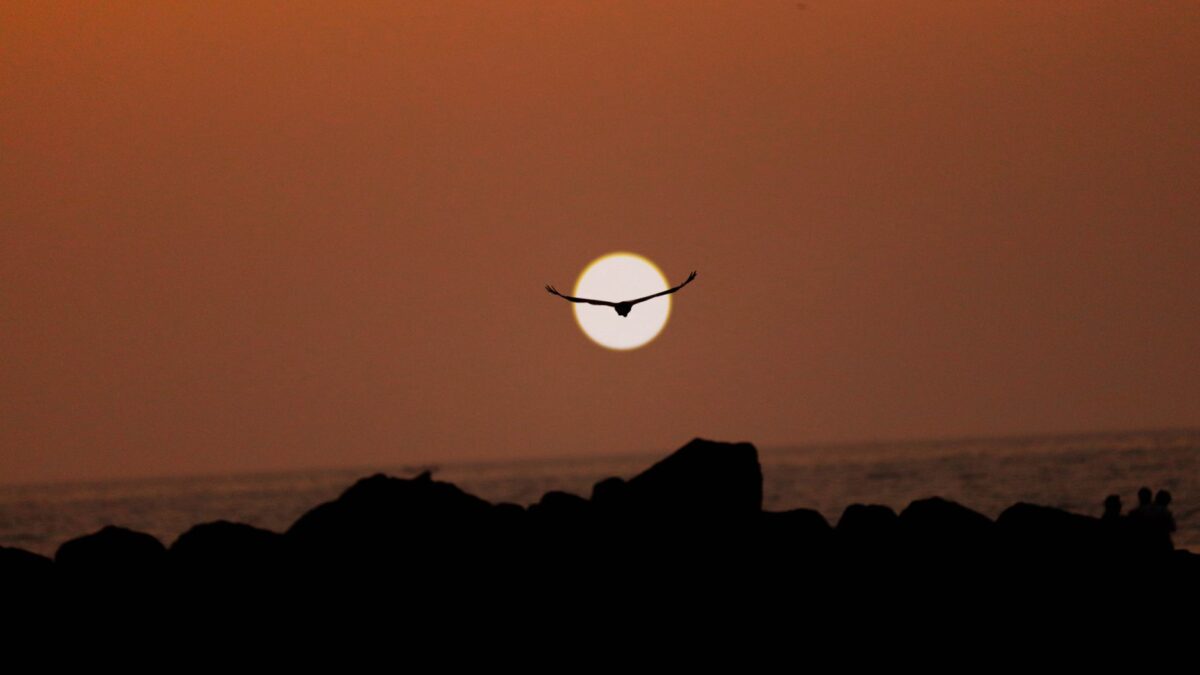
The heat in Muscat doesn’t just sit on you; it presses. In mid-September, the thermometer climbs to 38°C while the humidity makes it feel like 44°C, a sticky embrace that forces the city into a peculiar rhythm. The daytime is for retreating into air-conditioned malls or sleeping, but as the sun dips below the horizon and the light fades around 18:10, Muscat wakes up. The streets fill with the scent of cardamom coffee and grilling meat, and the traffic hums along the corniche. If you are planning a week here on a mid-range budget, you will find that Oman is surprisingly gentle on your wallet compared to its Gulf neighbors, provided you know where to look.
The Cost of Getting There and Staying Put
Before we count the rials spent on food and fun, let’s anchor your base costs. Accommodation in Muscat is the most significant expense for visitors, though still moderate by global standards. For a comfortable mid-range stay, you are looking at roughly 50 OMR per night. This gets you into solid establishments like the Savoy Inn Grand Hotel Apartments in the busy Bowshar area, or perhaps the slightly more boutique Haffa House Muscat. If you are traveling during peak events, such as the recent HORECA Oman show which recently filled the Oman Convention & Exhibition Centre (OCEC) with hundreds of exhibitors, hotel demand spikes. Always book early, even if you aren’t attending the conference, to avoid price surges near the airport zone.
For daily movement, you have two reliable options: the bus or the taxi. The public bus network, run by Mwasalat, is efficient and covers the main corridors. A single ride costs between 0.300 and 0.500 OMR. It is cheap, clean, and air-conditioned, making it a viable way to hop from Muttrah to Ruwi. However, for a true mid-range experience where you value time over pennies, taxis are abundant. A short ride of about five kilometers—say, from your hotel to the souq—will cost you a base fare of 2 OMR, with the total typically landing between 2 and 3.5 OMR. If you plan to use buses extensively, a monthly transit pass runs about 22 OMR, though for a one-week trip, paying per ride is more practical.
Eating Like a Local Without Breaking the Bank
This is where your budget stretches beautifully. Oman is arguably the cheapest country in the GCC for daily living expenses, particularly food. You can eat well without spending much. For a quick, authentic lunch, head to an inexpensive local spot. A meal here, perhaps a plate of shuwa or a simple chicken rice dish, will set you back around 2 OMR.
Street food is a culture in itself. Grab a shawarma from a bustling shop in the souq for just 0.300 OMR. It is juicy, flavorful, and perfect for a hot afternoon when you need a quick energy boost before the evening cools down. If you prefer a bit more comfort, a loaf of fresh white bread costs roughly 0.40 OMR, and you can pair it with local cheese or falafel for a complete snack.
When evening falls and you want a proper sit-down dinner, mid-range restaurants offer excellent value. A meal for two with drinks might range from 3 to 7 OMR depending on the venue. You might choose Ramssa Omani Restaurant for traditional flavors, or try Thy Yard for something more contemporary. Coffee culture is also thriving; a cup of cappuccino at a specialty cafe like KAVOHOLIK in the City Centre Mall or Qaha Specialty Coffee in Bowshar will cost about 1.9 OMR. It’s a small price to pay for the ambiance and the high-quality beans that Oman has been cultivating locally.
Attractions and Cultural Immersion
Muscat’s attractions are spread out, which means your transport budget will interact closely with your entry fees. Most of the major sites are affordable. The National Museum of Oman, a stunning architectural piece housing centuries of history, charges an entry fee of 5 OMR. It is worth every rial. Similarly, Bait Al Zubair Museum offers a deep dive into Omani heritage for a modest fee.
If you visit in September, you might catch cultural moments that don’t cost a dinar. The Hindu community in areas like Ruwi and Darsait observes Ganesh Chaturthi, with clay murtis sold in the ‘Little India’ district and darshan ceremonies at the Motishwar Shiva Temple in Muttrah. These are vibrant, free-to-witness events that add color to your week. Similarly, keep an eye on the calendar for the Oman Health Exhibition at the OCEC, which often features free public screenings and doctor consultations, offering a unique, no-cost way to engage with the city’s modern side.
Walking along the Muttrah Corniche is free and magical at dusk. Watch the dhows being repaired in the harbor, buy spices from the souq stalls, and soak in the atmosphere. For a grander view, take a taxi to Muscat Full View or drive up to see the Sultan Qaboos Grand Mosque, though be mindful of prayer times and dress codes. The Al Alam Palace is best viewed from the outside across the water, a majestic silhouette against the fading light.
Practical Money Tips for Your Week
While your budget is mid-range, a few logistical tips will save you stress and money. First, carry cash. While cards are accepted in malls and larger hotels, many small eateries and souq vendors prefer Omani Rials (OMR). Remember, 1 OMR is approximately 2.60 USD, so prices feel smaller than they do in dollars, but always double-check.
If you are staying for a month or longer, note that renting a modest one-bedroom flat in the city centre costs around 245 OMR per month. For a week, stick to hotels or serviced apartments. Also, be aware of ongoing roadworks; the Muscat Municipality has been adjusting routes due to dualisation works, such as the closure at the Al Ihsan roundabout in Amerat. Use GPS apps to avoid detours that waste fuel and time.
Finally, if you encounter old Omani banknotes (pre-2020 Sixth Series), ensure you exchange them at banks like Bank Muscat or Sohar International before their acceptance deadlines. As you navigate Muscat’s heat and hospitality, remember that the real luxury here isn’t in expensive resorts, but in the slow pace of life, the warmth of the people, and the affordability of a simple shawarma under the stars.
Frequently asked questions
How much does a mid-range hotel cost per night in Muscat?
A comfortable mid-range hotel or guesthouse in Muscat typically costs around 50 OMR per night. Prices may rise during major events like HORECA Oman.
Is eating out expensive in Muscat for tourists?
No, Oman is one of the cheapest GCC countries for food. A local meal costs about 2 OMR, street shawarma is 0.300 OMR, and a mid-range restaurant dinner is 3–7 OMR.
What is the best way to get around Muscat on a budget?
The Mwasalat city bus is very affordable at 0.300–0.500 OMR per ride. For convenience, short taxi rides cost between 2 and 3.5 OMR.
Are there free attractions in Muscat?
Yes. Walking the Muttrah Corniche, visiting the exterior of Al Alam Palace, and observing cultural festivals like Ganesh Chaturthi in Ruwi are free activities.
What is the currency exchange rate for Omani Rial?
The Omani Rial (OMR) is pegged and strong. Approximately 1 OMR equals 2.60 USD. Always check current rates as minor fluctuations can occur.
Things to do in Oman
 Private Tour to Wadi Bani Khalid & Wahiba Sand Desert with Sunset
 Private Full-Day Wadi Shab Adventure and Bimmah Sinkhole Tour
 Private Full-Day Wadi Shab and Bimmah Sinkhole Tour
 Sunset in Wahiba Sands 4x4 Adventure
 Nizwa Fort-Nizwa Souq-Birkat Al Mouz-Jebel Akhdar - Private Full Day Tour
 Private Historical Tour - Nizwa Fort - Nizwa Souq - Bahla Fort - Jabreen Castle