

A week in Prague on a mid-range budget
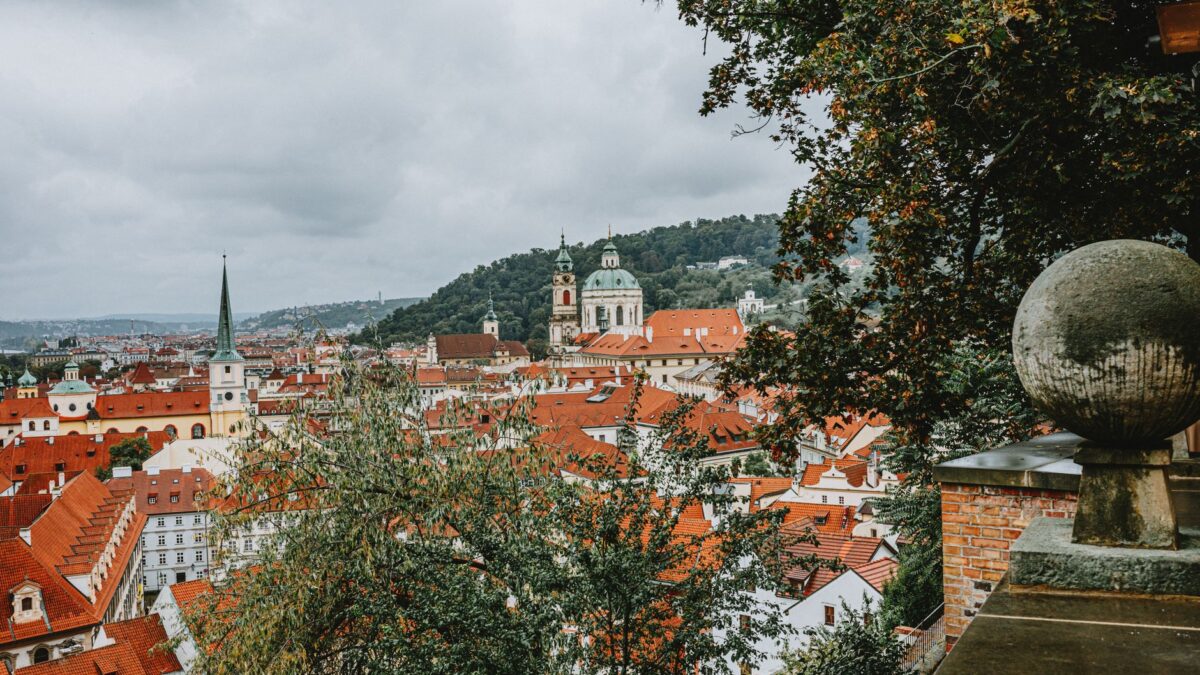
The Vltava river is turning the color of steeped tea, and the air carries that specific, crisp bite of mid-October Prague. It is the season when the golden limes along the embankments drop their leaves just as the city prepares for its annual light show. You are here for a week, likely on a mid-range budget, trying to balance the iconic sights with the reality of rising costs. Good news: Prague remains one of Central Europe’s better-value capitals, though rents and fares are climbing fast. The single transit ticket has jumped roughly 30% to 39 CZK, and a modest one-bedroom flat now runs 19,900–26,500 CZK a month—the most expensive in the region. But for a visitor? You can still experience the magic without emptying your wallet.
Where to Stay and How to Move
Forget the tourist traps in the immediate shadow of Charles Bridge. For a mid-range stay that feels authentic, look at Vinohrady (Prague 2). This leafy, Art Nouveau residential quarter around náměstí Míru offers a classic expat-with-a-local-vibe. Or consider Karlín (Prague 8), the ‘new classic’ district reinvented after the 2002 floods into a foodie hub with spots like Eska bakery and Kasárna Karlín arts barracks. Both have quick metro access to the center.
A night in a mid-range hotel or guesthouse double room will cost you about 1,000–1,460 CZK (≈ $55). If you want something unique, check out places like Old Royal Post or Hotel Anna Prague.
Moving around is straightforward but requires vigilance. Prague’s integrated network is PID (Pražská integrovaná doprava), covering metro, trams, buses, ferries, and the Petřín funicular on one ticket. A 30-minute fare is 39 CZK if bought as paper, or 36 CZK via the Lítačka app. Buy in the app to save time and crowns. Be aware of current disruptions: tram service is suspended between Na Knížecí and Smíchovské nádraží until October 18, and there is a closure in Žižkov between Nákladové nádraží Žižkov and Ohrada. Metro Line D construction near Nádraží Krč is also causing heavy traffic delays in Prague 4 through late October. Use replacement bus X12 in Smíchov and X9/X95 in Žižkov as needed.
Day 1: The Historic Core and the Clock
Your first day is for the icons. Start at Old Town Square. The Astronomical Clock, installed in 1410, is the oldest working one of its kind. Watch the hourly apostle procession from behind the crowds—it’s free. From here, walk across Charles Bridge toward Malá Strana. In October, the stone is slick with rain showers, so wear good shoes. Just off the bridge, find Kampa Island and the Lennon Wall for a quiet moment.
Lunch should be a denní menu (set lunch) at an inexpensive local place. Expect to pay 180–250 CZK (≈ $9). Try U Glaubiců in the Old Town for traditional fare. In the afternoon, head up to Prague Castle. The basic circuit entry is about 450 CZK (≈ $19). See St. Vitus Cathedral, Golden Lane, and the changing of the guard. For dinner, skip the tourist menus near the castle and take the tram down to Holešovice & Letná (Prague 7). Visit DOX Centre for Contemporary Art if you’re into modern art, then grab a beer at the Letná Park beer garden while watching the sunset over the rooftops.
Day 2: Jewish Quarter and Modern Vibes
Start in Josefov (Jewish Quarter). The Old-New Synagogue (Staronová synagoga) dates back to the 13th century, and the stacked Old Jewish Cemetery is hauntingly beautiful. Entry tickets are bundled; budget around 450 CZK for the basic circuit, similar to the castle.
For lunch, head to Žižkov (Prague 3). This gritty, legendary pub-dense district is under the David Černý ‘crawling babies’ TV Tower. Grab a klobása (grilled sausage) from a street stall for 50–100 CZK (≈ $3). Dinner at a mid-range restaurant here might cost 250–400 CZK (≈ $14) for a main course. Try Kantýna for hearty Czech comfort food.
In the evening, the city transforms. The Signal Festival (Oct 15–18) takes over streets and squares with 21 installations and free video mapping on the Old Town Hall tower. It runs nightly from 19:00–24:00. Walk the historic centre route, then cross the river to the new Dejvice route. It’s free, atmospheric, and perfect for the chilly dark evenings.
Day 3: Markets, Breweries, and Beer
Prague is a brewing capital. Start at Smíchov / Anděl (Prague 5), home to the Staropramen brewery. Visit the MeetFactory art/music venue nearby. Then, head to Dejvice & Bubeneč (Prague 6) for the Saturday farmers’ market around ‘Kulaťák’ (Victory Square) if your visit aligns. The area is green, calm, and family-friendly.
Lunch at Sad Man’s Tongue Bar & Bistro in Holešovice offers excellent brunch vibes. Afterward, explore Pražská tržnice (Prague Market) for local produce. For the afternoon, climb to Strahov Monastery Library to see the Baroque halls, then hike up Petřín Hill for the classic panorama and the Lookout Tower.
Dinner is non-negotiable for beer. A 0.5 L local draft in a pub costs 55–80 CZK (≈ $2.9). Find a pub in Žižkov or Vinohrady. End the night with a cup of coffee at Café Louvre or Liberica Cafe—expect 40–75 CZK (≈ $2.5) for an espresso or cappuccino.
Day 4: Culture, Parks, and Nightlife
Visit Vyšehrad, the fortress on the rocky promontory. It’s less crowded than the main castle. Walk the Slavín cemetery where Dvořák and Mucha are buried, and enjoy the Basilica of St. Peter and St. Paul. The park views are serene.
For lunch, try The Street Burgers in the Old Town for a quick, quality bite. In the afternoon, stroll through Riegrovy Sads park in Vinohrady. As dusk falls, the area comes alive with bars and restaurants. Grab a drink at a local spot near náměstí Míru.
If you’re interested in design, note that Designblok (Central Europe’s largest design festival) just ended on Oct 11, but its spirit lingers in the galleries of Holešovice. Alternatively, catch a classical music performance at the Rudolfinum (Czech Philharmonic) or the National Theatre—a nod to the city’s artistic soul.
Day 5: Day Trip or Deep Dive
You have two choices. First, a day trip to Karlštejn Castle or the Bohemian Karst. Trains run frequently from Nádraží Holešovice or Main Station. Second, stay in the city and explore Letná Park more deeply, or visit the National Museum on Wenceslas Square. Wenceslas Square holds political history; the Velvet Revolution began here on Nov 17, 1989.
Lunch at U Kroka offers modern Czech cuisine. Dinner could be a trdelník (sweet chimney cake) from a street stall in the Old Town for 75–125 CZK (≈ $4)—a sweet, sticky end to your week.
Cost Summary and Practical Tips
Budget Breakdown (Per Person/Day):
- Accommodation: ~$55 (shared mid-range hotel)
- Food: $20–$30 (mix of set lunches, street food, and one mid-range dinner)
- Transit: $5–$10 (daily passes or individual tickets)
- Attractions: $10–$20 (castle, museum, or free festivals)
Total daily spend: roughly $90–$115. Not bad for a European capital.
Practicalities: Czechia uses koruny (CZK); no euro yet. Exchange rates hover around 23.2 CZK per US$. Pay in CZK always. Visa-free for US/UK/CA/AU/NZ passport holders for 90 days. Check ETIAS requirements for 2026. Register with police within 3 days if staying in private accommodation. Use apps like Bolt or Uber for taxis—base fares are 150–250 CZK (≈ $9).
Prague in October is moody, beautiful, and alive. Enjoy the burčák (young wine) tail-end season, the lights, and the history. It’s a city that rewards the curious traveler who looks beyond the main square.
Frequently asked questions
How much does a mid-range hotel cost in Prague?
A mid-range hotel or guesthouse double room typically costs between 1,000–1,460 CZK (about $55) per night.
Is public transport expensive in Prague?
No, it is affordable. A 30-minute single ticket is 39 CZK (paper) or 36 CZK (app). A monthly pass is 550 CZK. Note current tram closures in Smíchov and Žižkov.
What are the best cheap eats in Prague?
Look for denní menu (weekday set lunches) at local spots for 180–250 CZK. Street stalls offer klobása for 50–100 CZK and trdelník for 75–125 CZK.
Do I need a visa to visit Prague in 2026?
US, UK, CA, AU, and NZ passport holders get visa-free entry for 90 days in any 180-day period. Check for ETIAS online pre-travel authorization requirements closer to your trip.
What events are happening in Prague in October?
The Signal Festival (light art) runs Oct 15–18 with free video mapping. Designblok (design/fashion) usually ends mid-October. Also, enjoy the tail end of burčák (young wine) season.


