

A week in Rome on a mid-range budget
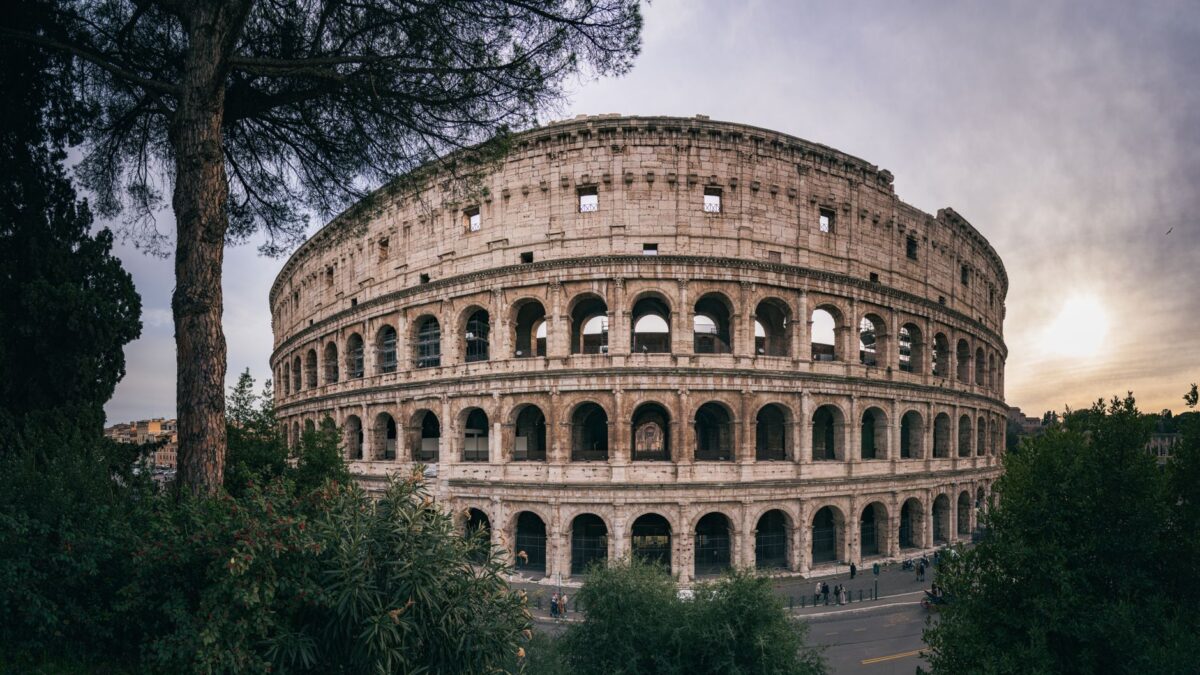
There is a specific quality to Rome in late October, an ‘ottobrata’ that feels like the city is holding its breath before winter. The air turns hazy and golden, hanging low over the cobblestones, while the evenings drop suddenly cool enough to warrant a light jacket. It is the season of porcini mushrooms, chestnuts roasting on street corners, and new olive oil pressing in local shops. For the traveler willing to step away from the peak summer crush, this is the sweet spot for budgeting and experiencing the Eternal City with a bit more patience—and a bit less sweat.
I’m Sofia Romano, and if there is one thing I have learned living here, it is that Rome rewards those who treat it like a neighborhood rather than a theme park. A week here on a mid-range budget is entirely possible, provided you know where to stand for your coffee, how to navigate the transit system without getting fined, and which districts offer the best value for your evening meals. Let’s walk through what seven days looks like when you are spending like a local, not a tourist.
The Daily Rhythm: Coffee, Transit, and Street Food
Your day in Rome should start at the bar, standing up. This is non-negotiable. An espresso al banco (at the counter) will cost you around €1.12 to €1.50. If you sit down at a table, the price triples, and you lose the authentic rhythm of the morning rush. Skip the cappuccino after 11 AM unless you want to be gently mocked by the waiter; locals drink milk-based coffees only in the morning. A cappuccino costs roughly €1.32–€2.00, but save your stomach for lunch.
For breakfast or a quick snack, look for pizza al taglio. This is Roman-style pizza sold by the slice, baked in rectangular trays and cut into squares or rectangles. It is hearty, affordable, and perfect for eating while walking. You can find a generous slice for about €3. Pair this with a glass of wine or water, and you have a meal for under €5.
Moving around the city is cheap if you play by the rules. Rome’s public transport is run by ATAC. A single BIT ticket, valid for 100 minutes on buses, trams, and metro, is €1.50. If you plan to move frequently, consider the contactless tap-and-go system on the metro, which caps your daily spend at €8.50, or grab a weekly CIS pass if you are staying longer. Always validate your ticket before boarding—inspections are frequent, and fines hover around €55, which will wipe out your lunch budget instantly.
Where to Stay: Neighborhoods Over Hotels
Housing costs in Rome have climbed significantly, with modest one-bedroom rents in the center now asking €1,100–€1,200 per month due to short-term rental demand. For a visitor, this means hotel prices in the historic center are premium. To keep costs mid-range, choose your district wisely.
Monti is a hip rione just behind the Colosseum, filled with vintage boutiques and artisan shops along Via dei Serpenti. It is walkable to ancient ruins but retains a bohemian vibe. Look for B&Bs like Romebest B&B or smaller guesthouses in side streets.
Testaccio, south of the center near Metro B Piramide, is the working-class food heart of the city. Built around the old Mattatoio slaughterhouse, it is where Romans actually eat. You will find better prices here for dinner, and accommodations like Hotel Casa Tra Noi Rome offer comfort without the tourist markup. It is quiet, residential, and deeply authentic.
San Lorenzo, behind Sapienza University, is another excellent choice. As the student quarter, it has a high density of affordable trattorias and late-night bars. It was the only rione bombed in WWII, giving it a rugged charm. You can find places like InternoRoma here, offering a central location with a youthful energy.
Avoid staying right next to Termini Station if you want peace; it is noisy and prone to petty theft. Instead, stay slightly further out and take advantage of the efficient metro lines.
A Day-by-Day Budget Breakdown
Let’s assume a moderate spender who wants to see the major sites but prefers street food and free walks over expensive guided tours. Here is how a week unfolds.
Days 1-2: The Ancient Core
Start at the Colosseum, Roman Forum, and Palatine Hill. The combined ticket is a necessary expense, usually costing around €24 for adults if booked online in advance. Note that the lifts at Metro C Colosseo are currently out of service for works, so step-free access requires booking assistance with ATAC ahead of time. Use escalators if you can manage the stairs.
Afterward, walk through the Forum to the Capitoline Museums (Musei Capitolini), founded in 1471 as the world’s oldest public museum. Tickets are roughly €15. Lunch? Head to Monti for a pane e salame sandwich from Pane e Salame—cheap, filling, and delicious. Dinner in Monti can be pricey, so walk back toward the Forum area or stick to casual spots.
Day 3: Baroque Rome & Free Wonders
The Pantheon is free to enter (reservations may be required during peak times, check current status). It is the best-preserved ancient monument in Rome. From there, walk to Piazza Navona and wander through the historic center. This day is nearly free except for gelato and coffee.
For dinner, head to Trastevere. Take Tram 8 from the center. The cobblestone streets are ivy-clad and picturesque. Restaurants like Tonnarello or Da Enzo al 29 are famous, but expect queues. Arrive early or order takeaway. A pasta dish here runs €12–€18. If you want a cheaper alternative, look for Cantina e Cucina or similar family-run spots further up the hill.
Day 4: Art & Architecture
Visit the Galleria Borghese inside Villa Borghese park. This houses Bernini and Caravaggio masterpieces. Timed reservations are mandatory, and tickets are around €20. The park itself is free and perfect for a long walk. Alternatively, visit MAXXI, Zaha Hadid’s National Museum of 21st-Century Arts in Flaminio. Tickets are roughly €12. MAXXI is often less crowded and offers a stark, modern contrast to the ancient city.
Day 5: The Vatican (The Big Expense)
The Vatican Museums and Sistine Chapel are a significant investment. Tickets are approximately €20–€25, but book months ahead. Note that the Roma Pass does not cover the Vatican. Afterward, cross into Vatican City to see St. Peter’s Basilica, which is free. For lunch, avoid the immediate tourist traps near the entrance. Walk back toward Prati, the elegant residential district north of Castel Sant’Angelo, where you can find reasonable lunch menus (menu del giorno) for €10–€15.
Days 6-7: Local Life & Markets
Spend these days exploring neighborhoods. Visit the Mercato di Testaccio for fresh produce and try the original Trapizzino at the market stalls. Or, go to Campo de’ Fiori by day for flowers and fruit, then watch it transform into a bar hub by night.
If your dates align, check the calendar. Late October often features events like the Festa del Cinema di Roma at the Auditorium Parco della Musica or Maker Faire Rome at Gazometro Ostiense, which offer free or low-cost cultural engagement. During these weeks, the city buzzes with international visitors, so book restaurants in advance.
Hidden Costs & Practical Tips
Budgeting for Rome involves more than just entry fees. Water fountains (nasoni) provide free, cold, clean drinking water throughout the city. Bring a bottle.
Safety: Petty theft is the main risk. Pickpockets operate heavily on Metro A, Bus 64/40, and Tram 8. Keep bags zipped and in front of you. Do not drive in the ZTL (Limited Traffic Zone); cameras automatically fine unauthorized vehicles.
Dining Out: Avoid restaurants with photo menus outside. Look for menu turistico only if clearly priced. Better yet, embrace mordi e vai (bite and go) culture. Paninis from Mercato Monti or slices from any reputable pizzicheria are safer bets for your wallet and digestion.
Transit App: Download the BIPiù app to buy tickets easily. Validate them! No validation equals a fine.
In summary, a week in Rome on a mid-range budget might look like this: €1,500–€2,000 total, depending on your flight and accommodation choices. By focusing on neighborhoods like Testaccio and San Lorenzo, eating like a local, and prioritizing free historical sites, you experience the real Rome—the one with the foggy mornings, the scent of chestnuts, and the warmth of its people.
Frequently asked questions
How much does a single metro or bus ticket cost in Rome?
A single BIT ticket costs €1.50 and is valid for 100 minutes on buses, trams, and metro lines.
Is the Roma Pass worth it for a week-long stay?
The Roma Pass covers 48 or 72 hours of transport and museum entries but excludes the Vatican. For a full week, buying individual tickets or using the daily capped contactless fare may be more economical unless you plan intense museum visits in the first few days.
What are the safest neighborhoods to stay in for mid-range budgets?
Districts like Testaccio, San Lorenzo, and Monti offer good value, safety, and authentic dining. Avoid staying directly next to Termini Station if you prioritize quiet and security.
Can I get free drinking water in Rome?
Yes. The city has thousands of small public fountains called 'nasoni' that provide free, cold, and clean drinking water. Bring a reusable bottle.
Things to do in Italy
 Visit in Pompeii - Pompeii Private Tour with Ada
 Lake Como Private Boat Tour from Bellagio with a Local
 Private Tour explore Vulcano Island by Kayak & Coasteering
 Sassi di Matera guided tour with Giulio
 Pizza and Gelato Making Experience with Fine Italian Wine in Rome
 Discover the Magic of the Amalfi and Sorrento Coast by Vespa