

A week in Suva on a mid-range budget
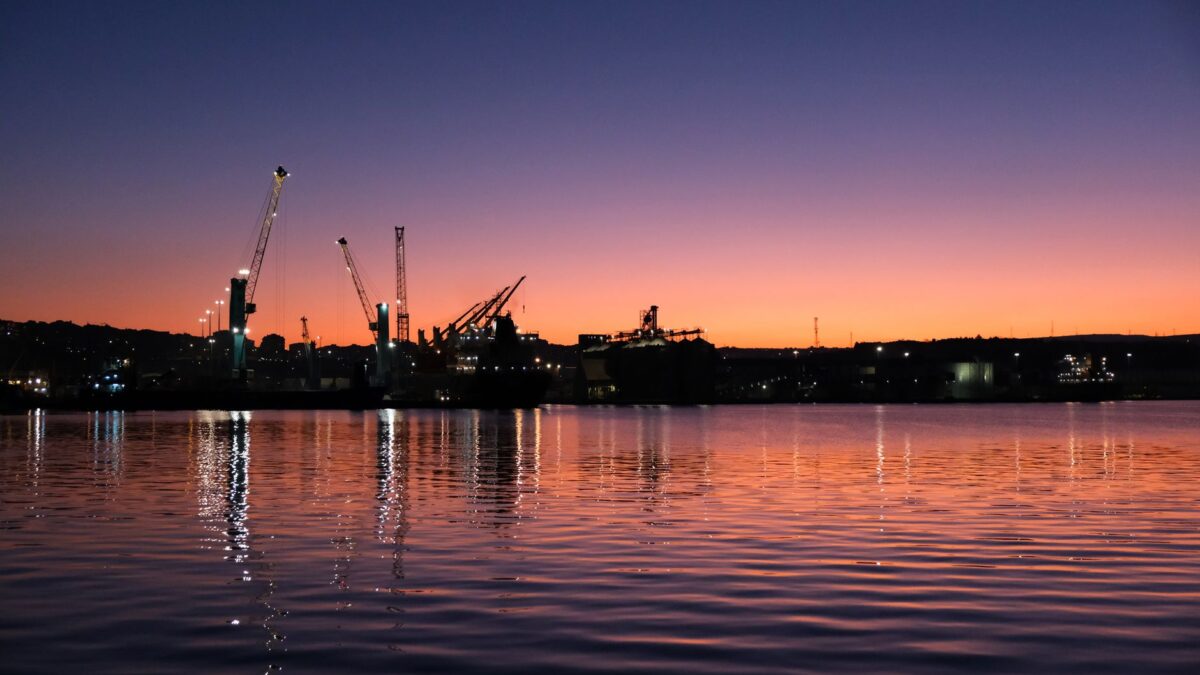
The air in Suva doesn’t just sit; it holds you. It is late November, that sticky, heavy pause before the cyclone season truly wakes up, though this year the El Niño dry spell has left the lawns brown and the mangoes ripening on the trees. You are standing on Queen Elizabeth Drive, watching joggers trace the seawall as the sun dips behind Joske’s Thumb, the volcanic plug that dominates the western skyline. If you’ve ever wondered what it actually costs to live like a local in Fiji’s capital for a week, without draining your savings or sleeping on a mat, here is the honest breakdown. Suva is not Nadi; it is a city of government offices, diplomatic envoys, and the University of the South Pacific. It runs on rhythm, rain, and real prices.
Where Your Money Goes: Accommodation and Basics
Your first decision is where to drop your bags. Rent in Suva is the great squeeze; a modest one-bedroom flat can cost around FJ$950 a month, while city-centre units hit FJ$1,990. But for a visitor, you are looking at nightly rates. A comfortable mid-range hotel or guesthouse in the CBD will set you back roughly FJ$230–270 per night. Places like Toorak Central or Peninsula International Hotel offer reliable service without the resort markup. If you want colonial grandeur with harbour views, the restored Grand Pacific Hotel is iconic, though pricier. For a budget-conscious week, aim for the lower end of that range, booking directly if possible.
Before you even step out, remember the practicalities. Most Western passports get a free visitor permit on arrival for up to four months, but you must have an onward ticket and proof of funds. Once you are here, banking is straightforward with branches of ANZ, Westpac, and BSP in the CBD. However, cash is king outside the big hotels. The ubiquitous payment app is Vodafone’s M-PAiSA, so consider loading some credit onto a prepaid SIM from either Vodafone or Digicel at the airport—registration is mandatory and requires your passport.
Daily Transit and Getting Around
Suva is compact, but the hills are steep, and walking everywhere will test your calves. The best way to move is the bus system. Since October 2017, buses are cashless. You cannot ride without an eTransport card. Buy one immediately at the kiosks near the main bus stand by the Municipal Market. A single fare is about FJ$2.05. If you plan to use the bus extensively for your entire week, a monthly pass is available for around FJ$50, which works out cheaper if you are commuting daily.
Taxis are metered in the city and surprisingly cheap. The flagfall is FJ$2.00. For short hops between the CBD and districts like Samabula or Nasese, a taxi ride might only cost you FJ$5–10. Avoid haggling; let the meter run. At night, stick to registered taxis, especially if you are moving between districts after dark. Petty theft is the main risk, particularly around the market and bus station, so keep your belongings close and avoid the quieter back streets after sunset.
Eating Like a Local: The Plate Lunch Economy
This is where Suva shines for your wallet. You do not need to spend much to eat well. A “plate lunch” at an inexpensive local eatery—a heaping portion of curry, rice, and fish or chicken—costs about FJ$13. Head to the narrow Indo-Fijian shop lanes of Cumming Street or the stalls around the bus stand for roti parcels and cooked lunches. For something lighter, a plate of kokoda (raw fish marinated in coconut cream) with taro chips runs about FJ$12 at places like Paradiso Restaurant & Bar or smaller local spots.
If you want a proper sit-down dinner, a mid-range restaurant meal costs around FJ$50 per person. You could share three courses for two people at a place like Mainayau Authentic Local Cuisine or The Hideout | Restaurant & Bar for roughly FJ$100 total. Coffee culture is growing too; a cappuccino at The Coffee Hub – Suva or Moments Cafe is about FJ$6.60. Groceries are affordable if you cook: a litre of milk is around FJ$2.93 and a loaf of bread FJ$1.24. Just note that water rationing is currently in force in elevated suburbs from 9pm to 4am due to low inflows, so fill your bottles early in the day.
A Week of Attractions: Culture and Nature
For seven days, you don’t need to spend much on entertainment. The heart of Suva’s cultural life is the Fiji Museum in Thurston Gardens. Admission for an overseas visitor is about FJ$20, which includes access to the rudder of HMS Bounty and the massive double-hulled canoe Ratu Finau. It is a half-day well spent exploring Lapita artifacts and colonial history.
Nature calls loudly here. A short trip north to Colo-i-Suva Forest Park offers rainforest trails, waterfalls, and natural swimming pools. There is a small entry fee paid at the ranger station, making it a very affordable day trip. If you prefer urban exploration, walk through Albert Park to see the Art Deco Government Buildings, where Fiji’s new flag was raised in 1970. Visit the colourful Sri Raj Maha Mariamma Temple in the Nasese district, remembering to dress modestly with shoulders and knees covered.
Keep an eye on local events. In late November, you might catch the National Women’s Expo at Vodafone Arena or sports matches at HFC Bank Stadium if the timing aligns. These community hubs offer a glimpse into the social fabric of the capital, often with free or low-cost entry.
Weekly Budget Summary
So, what does a week look like? If you stay in a mid-range guesthouse (FJ$250 x 7 = FJ$1,750), eat mostly local plates and occasional mid-range dinners (approx. FJ$30/day = FJ$210), use buses and short taxis (FJ$15/day = FJ$105), and pay for one museum and one forest park visit (FJ$30), your total comes to roughly FJ$2,095 for the week. That is under US$1,000 for accommodation, food, transport, and activities combined.
Suva rewards those who adapt to its pace. It is a city where politics, religion, and nature intersect on every corner. From the dusty trails of Colo-i-Suva to the bustling stalls of the Municipal Market, every Fijian dollar stretches further here than you might expect. Just respect the rhythms: fill your water tank before 9pm, take a taxi home if the rain pours down, and always say “bula” with a smile. That is the real currency of Fiji.
Frequently asked questions
How much does a typical meal cost in Suva?
A standard 'plate lunch' at a local eatery costs around FJ$13, while a mid-range restaurant dinner runs approximately FJ$50 per person.
Can I pay for buses with cash in Suva?
No. Buses in Suva operate on a cashless electronic fare system. You must purchase and top up an eTransport card at kiosks or Vodafone outlets before boarding.
Is water rationing currently active in Suva?
Yes, overnight water rationing (9pm–4am) is in force across elevated suburbs due to low inflows to the Tamavua treatment plant. Visitors should store water during these hours.
What is the best way to get around Suva without a car?
Use the eTransport bus system for regular routes and metered taxis for shorter hops or night travel. Taxis are relatively cheap, with a flagfall of FJ$2.00.
Do I need a visa to enter Suva, Fiji?
Most Western passport holders receive a free visitor permit on arrival for up to four months, provided they have a valid passport, onward ticket, and proof of funds.
Things to do in Fiji
 Private Arrival Transfer - Nadi Airport to Hotel
 CFC Approved Private Arrival Transfer - Nadi Airport to Maui Bay Properties
 Extreme 12000ft Tandem Jump (45 seconds free fall)
 Coral Coast, Fiji - Airport to hotels. Transfer
 CFC Approved - Private Arrival Transfer Nadi Airport to Doubletree Resort
CFC Approved Private Arrival Transfer - Nadi Airport to Outrigger & Bedarra Inn