
A week in Windhoek on a mid-range budget
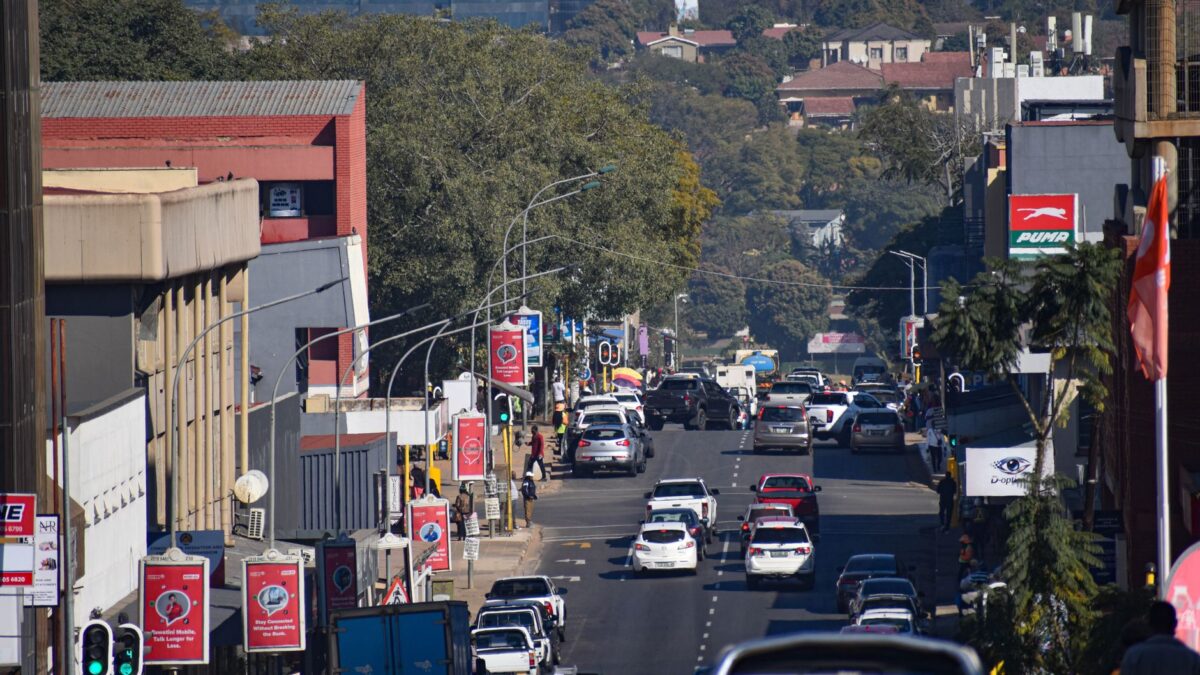
The air has that sharp, high-desert bite at 7 a.m. in Windhoek — clear, cold, about 3°C, the kind of cold that makes you grateful for the coffee you’re holding. By noon, the sun will have burned it off to a pleasant 16°C, and the city will be moving at its usual brisk, friendly pace. I’ve spent years here, and I still love how a week in this capital can feel like a secret. It’s not a sprawling metropolis; it’s a compact, walkable, and surprisingly green city of around 386,000 people, nestled between the Auas and Eros Mountains. And it’s not as expensive as you might fear. Let me walk you through a realistic, mid-range week — day by day, with real prices in Namibian dollars (NAD) so you can plan without surprises.
Getting settled: where to stay and what to know
First, the practical stuff. Since April 2025, most nationalities (including US, UK, EU, and Australian citizens) need a visa. Apply online via the MHAISS portal (eservices.mhaiss.gov.na) before you arrive, or pay on arrival at Hosea Kutako Airport — it’s about N$1,600 (~US$90) for up to 90 days. Bring a passport valid for at least six months.
For a mid-range stay, you’re looking at around N$1,000–1,700 per night for a decent room. I’d point you toward guesthouses in Klein Windhoek or the Eros district — both are leafy, safe, and close to the action. Magnolia House and Gardens is a lovely spot, or Tenbergen Pension for a classic, reliable stay. If you want to be right in the centre, the Hilton Windhoek is your landmark, but it’s on the higher end. For a quirky option, UrbanCamp Glamping offers a stylish tent without breaking the bank.
You’ll need a local SIM — grab one from MTC at the airport arrivals; just bring your passport for registration. And while the CBD is compact and walkable, you’ll likely use shared taxis (combis) for longer hops. There’s no smart contactless card system; it’s cash and small bills, my friend.
Day 1: Katharina’s welcome and a crash course in the city
Start your first morning with a proper coffee at Shema Coffee — a flat white costs about N$40. Then walk up to the Christuskirche, that gorgeous 1907 sandstone Lutheran church with its Kaiser Wilhelm II stained glass. From there, it’s a short stroll to Tintenpalast, the parliament building, and the Parliament Gardens, which run right down to the church. The lawns are immaculate, and it’s a local favourite for a morning jog or a quiet lunch.
At lunch, treat yourself to the Geological Survey Museum (it’s free, and the mineral displays are surprisingly good). For dinner, you can’t miss Joe’s Beerhouse — an institution. It’s always packed, and a hearty meal plus a local Windhoek Lager (about N$40) will set you back around N$350. Respectable for a first night.
Day 2: Katutura and the taste of the real city
This is the day you stop being a tourist and start being a guest. Head to Katutura, the township created by forced removals in the 1960s — it’s the heart and soul of the city. Go to the Oshetu Community Open Market (the Old Single Quarters) and do what everyone does: queue for kapana. These are spiced, grilled beef strips, chopped right in front of you, served in paper. A small portion is around N$25–45; a full plate with salsa and a vetkoek (fried bread) is about N$53. Wash it down with a cold drink, and you’ve had a meal for under N$60. For the full experience, sit with the locals and watch the market hum. It’s the most authentic lunch you’ll have all week.
In the afternoon, take a taxi to the Namibia Craft Centre in the Old Breweries building on Tal Street. It’s a great place to pick up handmade jewellery, textiles, and art — and you can browse the Ombo Art Gallery upstairs. Entry is free; just be careful not to buy everything on sight.
Day 3: Art, history, and a rooftop view
Spend the morning at the Independence Memorial Museum, a striking building on Robert Mugabe Avenue. It’s free, documents the liberation struggle, and the rooftop café has one of the best panoramas of the city — grab a coffee there for about N$40 and just stare out. Across the road is the Alte Feste, the old 1890 fortress, but it’s fenced off for renovation right now, so give it a wave from the outside.
For lunch, try the Windhoek Sky Restaurant — a revolving rooftop spot with a view, and mains in the N$250–400 range. In the evening, if you’re up for a treat, book Leo’s at the Castle (it’s in a quirky castle-like building). It’s the fancier end but worth it — think around N$500 for three courses with a drink.
Day 4: Nature close to town
You don’t need to drive five hours to see wildlife. Daan Viljoen Game Park, Namibia’s smallest reserve, is just 25 km west of the city. Entry and a self-drive game drive should be around N$200–300. You’ll likely spot kudu, oryx, and springbok against the dramatic Auas Mountains backdrop. Pack a picnic; the scenery is perfect for it.
Back in town, treat yourself to a lazy afternoon at the Arebbusch Travel Lodge — it’s a great place for a sundowner by their pool, even if you’re not staying there. For dinner, go casual: the Stellenbosch Wine Bar and Bistro is a favourite for its relaxed vibe and good wine selection, with mains around N$250–350.
Day 5: The art and life of the suburbs
Klein Windhoek is the city’s restaurant cluster, with its village-like streets and embassies. Start with brunch at Cafe Maca (their pastries are excellent, about N$80 for a pastry and coffee). Then wander up to Ludwigsdorf, the quiet, prestigious suburb at the foot of the Auas Mountains. There’s not much to ‘do’ here except walk and admire the architecture, but that’s the point — it’s an insight into the peaceful, secure side of Windhoek life.
In the afternoon, visit the City Museum (free) to understand the German colonial and independence history. For dinner, try Leo’s Garden Restaurant, which has a beautiful outdoor setting — it’s stylish and mid-range, with mains around N$350.
Day 6: The bicycle race and street life
If you’re here in mid-August, you’re in luck. The Tour de Windhoek is on (13–16 August 2026), and the city is a buzz with cyclists and road closures. The streets become a spectacle — grab a coffee at Vinyls Music Cafe and watch the peloton pass. It’s a brilliant, free show.
For lunch, go for a simple kapana at the Oshetu market again — you’ll find you’ve developed a taste for it. In the afternoon, take a quiet walk around Avis Dam Nature Reserve, right on the city’s edge — it’s a popular spot for a sunset hike, and the views over the city are lovely. For your last big dinner, try the Hilton’s buffet if you’re feeling fancy — it’s around N$400 — or just get a Windhoek Lager at Joe’s, for N$40, and call it a perfect week.
Day 7: Last morning, no rush
On your last day, do what I do: grab a Kolinah (the local fried dough) from a street vendor for about N$10, and a proper coffee from Basecamp Coffee Shop. Sit in the sun, maybe in the Parliament Gardens, and just breathe in the dry, clean air. If you need a gift, the Namibia Craft Centre has you covered. Then, when you’re ready, take a combi to the airport — about N$100 — and plan your return trip. Because you will be back.
So, what does a week actually cost?
Here’s a rough break-down, in NAD, to give you peace of mind:
- Accommodation (7 nights @ ~N$1,300): N$9,100
- Meals (15 main meals @ ~N$200, plus snacks): N$3,500
- Local transport (combis & taxis): N$500–800
- Coffee & treats: N$1,000
- Attractions & activities (game park, museums): N$400–600
- Souvenirs: N$1,000 (if you’re strong-willed)
That totals roughly N$15,500–17,000, or about US$850–950, for a comfortable, mid-range week. It’s a fair price for a city that gives you so much: history, heart, and the open sky. Bring cash for small purchases, use your card for big ones, and you’ll have a fantastic time.
Helena Shipanga, with love from Windhoek.
Frequently asked questions
How much does a week in Windhoek cost on a mid-range budget?
Expect around N$15,500-17,000 (US$850-950) per person for a comfortable week: accommodation, meals, local transport, and a few activities.
Do I need a visa to visit Namibia as a US or UK citizen?
Since April 2025, yes - most nationalities need a visa. Apply online at eservices.mhaiss.gov.na or pay about N$1,600 (US$90) on arrival at Hosea Kutako Airport.
Is Windhoek walkable, or do I need a car?
The city centre is compact and walkable by day. For longer hops, use shared taxis (combis) - there's no contactless transit card, so carry small bills.
What's the food scene like in Windhoek?
It's a delight - from street-side kapana (grilled beef) at Oshetu market for under N$60 to upscale dinners at Joe's Beerhouse or Leo's at the Castle, where a full meal runs N$350-500.
Are there attractions close to Windhoek for a day trip?
Yes - Daan Viljoen Game Park, 25 km west, costs around N$200-300 for entry and a game drive. Avis Dam Nature Reserve is right on the city edge for a sunset walk.


