
A week in Zagreb on a mid-range budget
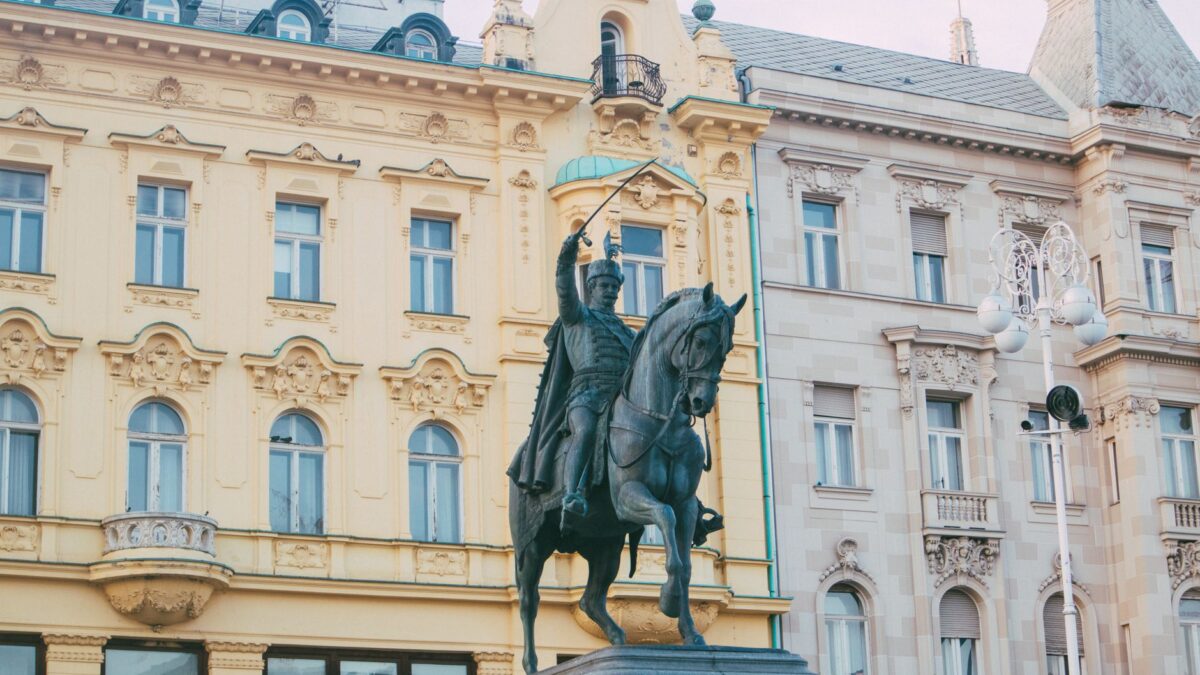
The air in Zagreb in early September still holds onto the last warm breath of summer, but there is a crispness to it now—a signal that the long, lazy days are giving way to the city’s true rhythm. You step off the tram at Ban Jelačić Square and the cobblestones feel solid beneath your feet. This is not a city of frantic tourism; it is a place of lingering coffee, grand Austro-Hungarian facades, and hills that demand you climb them. If you are planning a week here on a mid-range budget, you will find that Zagreb rewards patience and local knowledge far more than a heavy wallet. The currency is the euro, and while rent can be steep for residents, daily life remains surprisingly accessible if you know where to look.
Setting Up Your Base and Getting Around
Your first financial decision is where to sleep. For a mid-range traveler, boutique accommodations like Annie’s Bed&Breakfast or B&B Donji Grad offer charm without the premium price tag of luxury hotels. While exact nightly rates fluctuate, you should expect to pay a reasonable sum for a clean, central room—likely between €60 and €90 per night depending on the season and how close you are to the action. Avoid the temptation to stay too far out in Novi Zagreb unless you plan to drive; the city is best explored on foot and by its excellent public transit system.
Zagreb’s heart beats with its trams. The ZET network is efficient, safe, and inexpensive. A single 30-minute ticket costs about €0.53, though I recommend buying a 60-minute ticket for roughly €0.93 from any Tisak kiosk (or via the MojZET app) so you have time to transfer. If you plan to roam freely, a monthly pass might seem excessive, but for a week, the flexibility is worth it. Just remember: validate your ticket immediately upon boarding. Inspectors are diligent, and fines are steep. The funicular, or Uspinjača, is a must-ride experience—it is the world’s shortest public funicular line, opened in 1890, linking the Lower Town to the Upper Town for just €0.53. It is a charming, historic shortcut that saves your legs from the steep incline.
Eating Like a Local: The Lunch Menu Strategy
To keep your budget healthy, you must embrace the concept of the “dnevno”—the daily set lunch. In Zagreb, many bistros and traditional restaurants offer a fixed-price menu between 11:00 and 14:00 that includes a soup, main course, and sometimes a drink or dessert. This is where you eat like a king for the price of a fast-food meal. At places like Pri zvoncu or Pod Zidom Bistro, you can find a hearty portion of Grah s kobasicom (bean stew with sausage) for around €6. If you prefer meat, the Zagrebački odrezak (a breaded schnitzel similar to Wiener Schnitzel but often thicker) runs about €8 on the lunch menu. For something distinctly Croatian, try Zapečene štrukle (baked strukli), a savory pastry dish, for roughly €7.50.
Dinner requires a bit more planning. A mid-range restaurant dinner per person typically costs between €9 and €12 if you stick to house wines and local specialties. However, if you want to splurge on a proper evening out, budget slightly higher. Coffee culture is sacred here. Visit Quahwa or Cogito Coffee for specialty brews, or stick to the classic tradition at Très Chic café. You won’t find exact prices listed everywhere, but expect to pay a few euros for a cappuccino. The key is to linger. Sitting on a terrace in the Lenuci’s Green Horseshoe parks or along Tkalčićeva Street is part of the experience, not just a pit stop.
A Week in Numbers: Day-by-Day Costs
Let’s break down what a typical week looks like financially. We assume you are staying in a mid-range B&B or apartment rental, eating mostly local lunches, and enjoying the city’s free cultural offerings.
- Day 1: Arrival and Orientation. Check-in, grab a coffee at FIKA pržionica kave, and walk around Ban Jelačić Square. Cost: Free walking, ~€5 for coffee/snack.
- Day 2: Upper Town Exploration. Ride the funicular to Gornji Grad. Visit St. Mark’s Church and see the noon cannon at Lotrščak Tower. Walk through the Stone Gate. Cost: ~€1 for transit, ~€10 for lunch at a nearby bistro.
- Day 3: Museums and Markets. Start at Dolac Market, then head to the Museum of Broken Relationships. Entry fees apply here, usually around €6–€8. Lunch at a student canteen for ~€5–€6. Evening stroll along Tkalčićeva Street. Cost: ~€10 for museum, ~€15 for food/drink.
- Day 4: Kaptol and Cathedral. Explore the ecclesiastical quarter. The Zagreb Cathedral is free to enter, though donations are welcome. Visit the Archbishop’s Palace. Lunch near the market. Cost: ~€8 for lunch, ~€3 for coffee.
- Day 5: Parks and Modern Art. Cross the river to Novi Zagreb to see the Museum of Contemporary Art (MSU). Walk through Bundek Lake. Alternatively, stay in the city center and visit Mirogoj Cemetery, which is free and breathtakingly beautiful. Cost: ~€5 for transit/bus, ~€8 for lunch.
- Day 6: Nature and Views. Take the bus up Medvednica Nature Park. You can hike or take the Žičara Sljeme cable car. The view of the city from Sljeme peak is unforgettable. Cost: Cable car ticket (~€10 round trip), lunch at a mountain hut (~€10).
- Day 7: Relaxation and Farewell. Sleep in, enjoy a long breakfast, do some souvenir shopping at Dolac, and catch the sunset at the Sava embankment. Cost: ~€10 for a final nice dinner.
Total estimated food and transport cost for the week: roughly €120–€150. Accommodation: €400–€600 for six nights. Attractions: ~€20–€30. This leaves you plenty of room for spontaneous beers or extra coffees.
Seasonal Perks and Practical Tips
If you are visiting in early September, you are in luck. The weather is mild, averaging around 19–31°C, perfect for outdoor dining. More importantly, check the calendar for the Zagreb Museum Weekend (MUV). During this event, over 160 programs run across 11 city-run museums, many of which are free. It is a fantastic opportunity to explore institutions like the Archaeological Museum without spending a dime. Additionally, the ZeGeVege festival offers vegan and vegetarian delights if that is your preference.
Practically speaking, ensure you have your registration sorted. Croatia is in the Schengen Area, so visa rules depend on your nationality. Hotels register you automatically, but if you stay in private apartments, you must report your presence to the police within a day or two. Also, note that the south spire of Zagreb Cathedral remains scaffolded due to the 2020 earthquake, but the interior restoration is ongoing and worth seeing.
Zagreb is safe, walkable, and welcoming. The locals appreciate when you make an effort with the language—a simple “Hvala” (thank you) goes a long way. Keep an eye on your belongings in crowded trams, but otherwise, you will find that the city’s greatest treasures—the architecture, the coffee, the hills—are largely free. Spend your money on experiences, not just things, and you will leave with a full heart and a balanced bank account.
Frequently asked questions
Is Zagreb expensive for tourists?
Zagreb is generally affordable compared to Western European capitals. Meals, especially daily lunch menus, are inexpensive, ranging from €6 to €12. Public transport is cheap, with tickets around €0.53.
How much does a taxi cost in Zagreb?
While specific base fares were not retrieved, taxis are available throughout the city. For budget travelers, using the ZET tram and bus network is significantly cheaper and often faster in the center.
Are museums free in Zagreb?
Most museums charge an entry fee, typically around €6–€8. However, during the annual Zagreb Museum Weekend (usually in September), many city-run museums offer free admission.
What is the best way to get around Zagreb?
The city is very walkable, but the ZET tram and bus network is efficient for longer distances. Tickets can be bought at kiosks or via the MojZET app.
Do I need a visa for Zagreb?
Croatia is part of the Schengen Area. Citizens of the US, UK, Canada, Australia, and others can stay for up to 90 days visa-free. Others may require a Schengen C visa.
Things to do in Croatia
 Full-Day Private Boat Tour of Elafiti Island from Dubrovnik
 Private Walks & Storytelling - the best small group tour in Split
 Likely to sell out
Private Boat Tour to the Elafiti Islands with Atlantic Marine
Likely to sell out
Private Boat Tour to the Elafiti Islands with Atlantic Marine
 Adrenaline Quad Safari Tour
 Dubrovnik Private Full Day Island Hopping Tour Elaphiti Islands
 GROUP/ PRIVATE Walking History Tour of SPLIT with Daniela