
Albania etiquette: the dos and don’ts
The fog is just lifting off the city as I step out onto Skanderbeg Square, the air crisp at around 11°C. It’s late September in Tirana, a time when the long, dry summer finally yields to a cooler rhythm. The cafes on the square are still packed, but you can feel the shift: students rushing to class, workers heading into offices, and locals preparing for the grape harvest that begins in these hills. If you’re visiting now, you’ll notice the energy. The 24th Tirana International Film Festival is wrapping up with its ‘Humanography’ theme, and the Colourday Festival has just drawn tens of thousands to the streets. But beyond the noise of festivals and the ongoing political discussions that fill our evening news, there is a quiet code to living here. As a local host, I want to share the small customs that turn a tourist into a welcomed guest.
Greetings and the Art of Conversation
In Albania, we do not rush greetings. Whether you are entering a shop or meeting a friend, expect a handshake that lasts a moment longer than you might be used to. We value eye contact and warmth. When addressing someone, always use their title—Mr., Mrs., or Professor—until invited to use first names. This is especially true if you are older or in a position of respect; it shows you understand our hierarchy of courtesy.
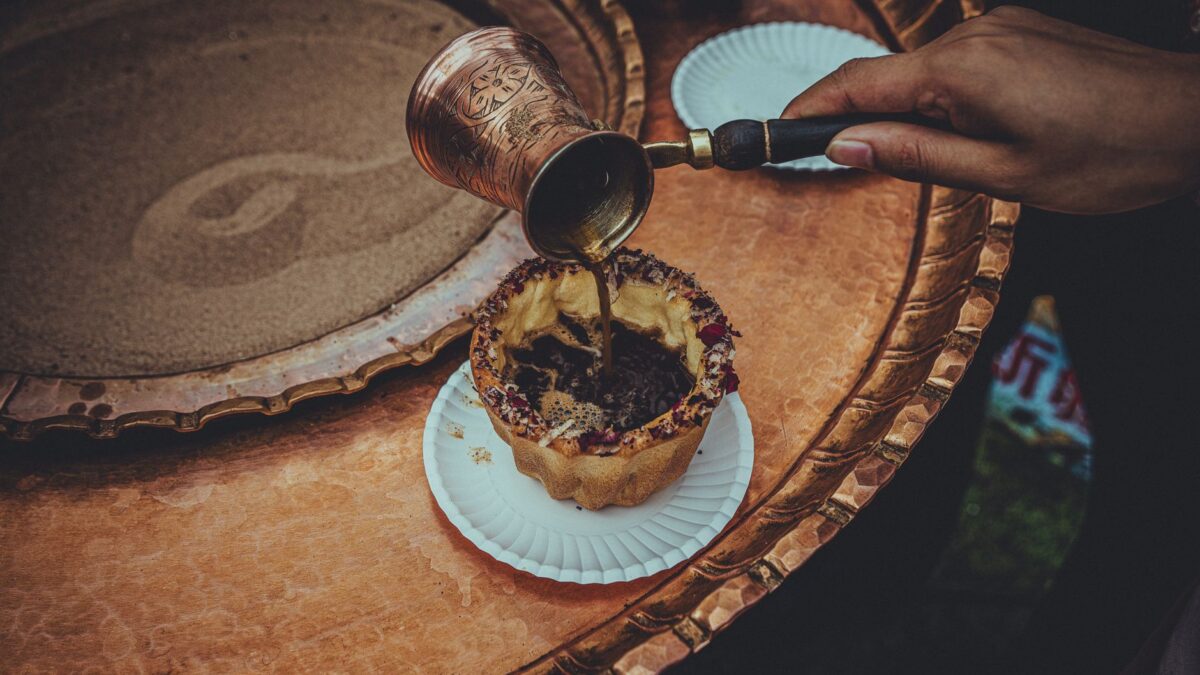
Don’t be surprised if a conversation turns personal quickly. Asking about your family, your work, or where you are from is not prying; it is how we build trust. If you are dining, wait for the host to invite you to sit. In many homes, the eldest person is served first. And remember this golden rule: never refuse hospitality immediately. If an Albanian offers you coffee or rakia (our strong fruit brandy), declining outright can be seen as a rejection of friendship. A polite acceptance, even if you only take a sip, is the safest path.
Dining Manners and Tipping Culture
Albanian food is generous, often too generous for one person. When you eat at a traditional lokale, you will likely receive bread and salad before the main course arrives. Do not eat the salad alone; it is part of the meal. If you are trying dishes like tavë kosi (baked lamb with yogurt) or fërgesë, use your fork and knife. While street food like a fresh byrek from a bakery near Pazari i Ri is eaten by hand, sit-down meals require utensils.
Tipping is appreciated but not strictly mandatory in the way it is in the US. However, leaving small change or rounding up the bill is common practice. If you order a cappuccino for about 150–200 lekë, leaving the small change is fine. For a full dinner for two at a mid-range restaurant, which might cost around 4,250 lekë, leaving 5-10% is a kind gesture if the service was good. Never leave coins on the table after a formal meal; it is considered bad luck. Instead, tell the waiter you are leaving the change for them directly.
Dress Code and Public Behavior
Tirana is stylish, particularly in the Blloku district, where former communist elite residences have transformed into upscale cafés and boutiques. Here, you will see well-dressed locals. You do not need to wear suits or evening gowns, but looking put-together is respected. Avoid wearing gym clothes or flip-flops in nicer restaurants or theaters. Modesty is key when visiting religious sites. The Et’hem Bey Mosque, standing proudly on Skanderbeg Square since 1819, requires covered shoulders and knees for both men and women. It is also respectful to remove hats when entering any place of worship.
Be mindful of your volume. Albanians are expressive and loud when happy, but in public transport or museums, keep your voice down. Also, be aware of current events. With nightly protests along Elbasan Street and the Vasil Shanto crossroads, it is wise to avoid large political gatherings. These are peaceful, but traffic blockages can be significant. Show curiosity, but stay neutral in political debates unless you know the person very well.
Small Customs That Matter
There are subtle rituals that define daily life. The xhiro, or evening stroll, is sacred. After dinner, families and couples walk through the city center, from the Grand Park to the New Bazaar. Joining in is a great way to meet people. When you enter a home, it is customary to bring a small gift: chocolates, wine, or flowers. Avoid white flowers, which are associated with funerals. When receiving a gift, open it later, not in front of the giver, to avoid appearing greedy.
If you are staying longer, learn a few words. Faleminderit (thank you) goes a long way. Mirëdita (good morning) is essential. Locals appreciate the effort. Also, note that cash is king. While cards are accepted in hotels and larger restaurants, smaller bakeries and buskers prefer lekë. A single bus ride costs about 40 lekë, so having small notes is helpful. If you visit the Pyramid of Tirana, once a bunker for Enver Hoxha and now a youth hub, you will find it is a place of reflection on our past. Respect the history there; it is heavy and real.
Practical Etiquette for Modern Travelers
As Tirana grows, so does its infrastructure. You might see demolition work in areas like Kombinat, where new homes are being built for earthquake victims. If you pass construction sites, be patient and do not photograph workers without permission. Safety is generally high in central areas, but watch your belongings in crowded spots like the airport or New Bazaar. Use registered taxis like Speed Taxi or Clust; hailing random cars is less safe. If you take the Dajti Ekspres cable car, go early to beat the crowds and enjoy the view of the lake below.
Finally, be open to change. Albania is evolving rapidly. The visa-free travel for many nationals is a sign of our integration with Europe. We welcome you not just as tourists, but as neighbors. Treat us with the same respect we offer each other, and you will find that Albania opens its heart wide. Enjoy the kafe, taste the local wine, and let the rhythm of the city guide you.
Frequently asked questions
Is it rude to refuse food or drink in Albania?
It is considered impolite to bluntly refuse hospitality. Accept a sip of coffee or rakia to show respect, even if you cannot finish it.
How much should I tip in Tirana restaurants?
Tipping is optional but appreciated. Rounding up the bill or leaving 5-10% for good service is standard practice.
What should I wear when visiting mosques in Tirana?
Cover your shoulders and knees. Remove hats upon entry. The Et’hem Bey Mosque on Skanderbeg Square follows these rules.
Can I use credit cards everywhere in Albania?
No, cash is still king. Many small shops, buses, and bakeries prefer Lekë. Carry small denominations for daily transactions.
Is it safe to walk around Tirana at night?
Yes, central areas like Blloku and Skanderbeg Square are safe. Use registered taxis like Speed Taxi or Clust for late-night travel.


