
Belgium etiquette: the dos and don’ts
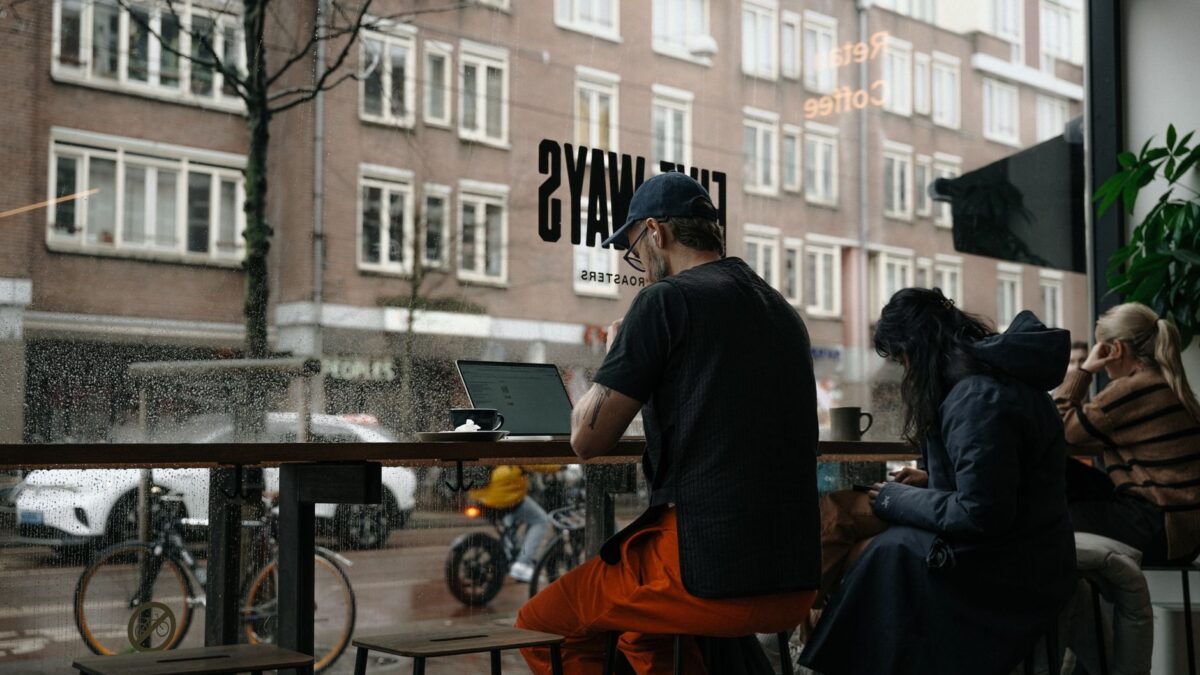
The rain in Brussels doesn’t just fall; it hangs. It’s a fine, persistent mist that seeps into your wool coat as you step out of the Metro at Porte de Hal, turning the cobblestones of the historic centre into a slick, reflective mirror. You are here for the culture, but let’s be honest: you are also here for the beer, the chocolate, and the mussels. To navigate this labyrinthine capital without stepping on local toes—or getting pickpocketed near the Grand-Place—you need more than a guidebook. You need the unspoken rules of the 19 communes.
Greetings: The Language of Respect
Brussels is a bilingual city where French and Dutch (Flemish) coexist, often in a delicate dance. While everyone speaks English, starting a conversation in the local tongue is a sign of respect. In the central Grand-Place area and most service industries, French is the default. However, if you find yourself in Ixelles or heading north toward Schaerbeek, you might encounter more Dutch speakers.
The golden rule? Always greet before you ask. A simple “Bonjour” or “Goededag” opens doors that an immediate “Can I have…” slams shut. In cafes like Damn Good Café or BOUCHE – Specialty Coffee, make eye contact with the barista when ordering. Belgians value directness but appreciate politeness. If you are in a smaller shop or a traditional brasserie in Saint-Gilles, waiting to be acknowledged rather than shouting across the room is considered good manners. And please, do not assume everyone speaks English immediately; asking “Parlez-vous anglais?” after your greeting shows you’ve made an effort.
Dining: Mussels, Frites, and the Bill
You cannot visit Belgium without eating. But how you eat matters. Let’s talk about frites. A large cone from a street-side friterie costs about €3.50–€5. These are not chips; they are double-fried potato cylinders best enjoyed standing up, dipped in mayonnaise or sauce samurai. Do not insult them by calling them “French fries.” They are Belgian, and they are proud of it.
For a sit-down meal, expect to pay around €18–€25 for a portion of moules-frites at a reliable brasserie. If you wander into the tourist trap streets near the Grand-Place, prices can jump to €30+, so look for places tucked away in side streets or head to districts like Matongé for incredible value and flavor. When dining, tipping is appreciated but not obligatory. A round of drinks or leaving 5-10% for exceptional service is standard. Service charges are often included, but cash tips are always welcomed by staff earning modest wages.
Coffee culture is booming. A cup in a specialty café runs about €2.80–€4. During the Brussels Coffee Show at Tour & Taxis, you’ll see the height of this craft. When visiting a café, remember that sitting at a table incurs a higher cost than standing at the bar. If you’re in a hurry, order at the counter and drink standing up—it’s faster, cheaper, and very local.
Dress and Daily Life: Practicality Over Glamour
Brussels is not Paris. You will not see people dressing up for a casual Tuesday lunch. The weather, currently hovering between 5–10°C with light drizzle, dictates a wardrobe of layers. Waterproof shoes are non-negotiable. Belgians dress practically and comfortably. You’ll see locals in Ixelles and Saint-Gilles rocking vintage finds or minimalist styles, but functionality wins over fashion.
If you are attending a formal event or a business meeting in the European Quarter near Avenue Louise, smart casual is safe. For bars and clubs, dark jeans and a nice shirt suffice. Avoid wearing expensive jewelry or flashing phones openly, especially near the Galeries Royales Saint-Hubert or the major train stations. Pickpockets target tourists who look distracted. Keep your bag closed and front-facing.
Transport and Transit Etiquette
Navigating Brussels requires patience. The urban transit network, run by STIB-MIVB, uses the MOBIB card. A single journey is roughly €2.40, with free transfers within 60 minutes. If you plan to move around a lot, consider the monthly pass for €56. Note that fares increased slightly in early 2026, so budget accordingly.
On trams and metros, always give up your seat for elderly or pregnant passengers. This is strictly observed. When boarding, exit first before entering. Do not block the doors. If you are using the Villo bike-share scheme, remember that the first 30 minutes are free, making it a great way to explore Parc du Cinquantenaire or cycle along the Senne river. However, always yield to pedestrians on shared paths—cyclists in Brussels are aggressive, and jaywalking is frowned upon.
Be aware of ongoing infrastructure works. For instance, trams 39 and 44 are suspended between Montgomery and the Tram Museum until March 2027, replaced by a T-bus. Similarly, roadworks near Rue d’Argent affect pedestrian flow near the Bourse. Check the STIB app before you go. Flexibility is key.
Small Customs That Matter
Belgians love their holidays and traditions. With Armistice Day (Wapenstilstand) approaching on November 11th, you will see many wearing poppies. It is a solemn day; avoid loud behavior in public spaces during morning ceremonies. In late November, Sint-Maarten arrives, where children dress up and sing door-to-door for treats—a sweet precursor to Christmas.
When visiting churches like the Cathedral of St. Michael and St. Gudula, dress modestly. Shoulders and knees should be covered. Silence is expected inside. Photography is usually permitted but never flash. In museums like the Belgian Comic Strip Center or the Atomium, follow the queue etiquette. Belgians dislike pushing; form an orderly line even if others cut in.
Finally, embrace the chaos. Brussels is messy, multicultural, and vibrant. From the Art Nouveau gems of Saint-Gilles to the industrial chic of Molenbeek-Saint-Jean, every district has its own rhythm. Be curious, be polite, and leave room for spontaneity. Whether you’re grabbing a plat du jour for €10–€16 or enjoying a local beer for €3–€6, the true spirit of Belgium is found in the small, shared moments of connection.
Frequently asked questions
Is tipping mandatory in Belgian restaurants?
Tipping is not mandatory as service is usually included, but leaving 5-10% or rounding up the bill is appreciated for good service.
What is the cost of a single public transport ticket in Brussels?
A single journey on the STIB network costs approximately €2.40, with free transfers allowed within 60 minutes.
Do I need to speak French or Dutch in Brussels?
While English is widely spoken, knowing basic greetings in French or Dutch is respected and helps build rapport with locals.
Where are the safest areas to stay in Brussels?
Districts like Ixelles, Saint-Gilles, and the Historic Centre are generally safe, though standard precautions against pickpockets apply near major tourist sites.
Things to do in Belgium
 Private Dinant Castles & Abbey Beer Tour from Brussels or Bruges
 European Quarter Comedy Tour
 Handcraft your own silver ring in Bruges
 Private Guided Historical Walking Tour in Bruges Belgium
 Private Liège, Aachen & Maastricht Tour from Brussels or Bruges
 Navigate through Brussels and Discover Beer and Chocolate