

Bhutan in August 2026: what travelers should know now
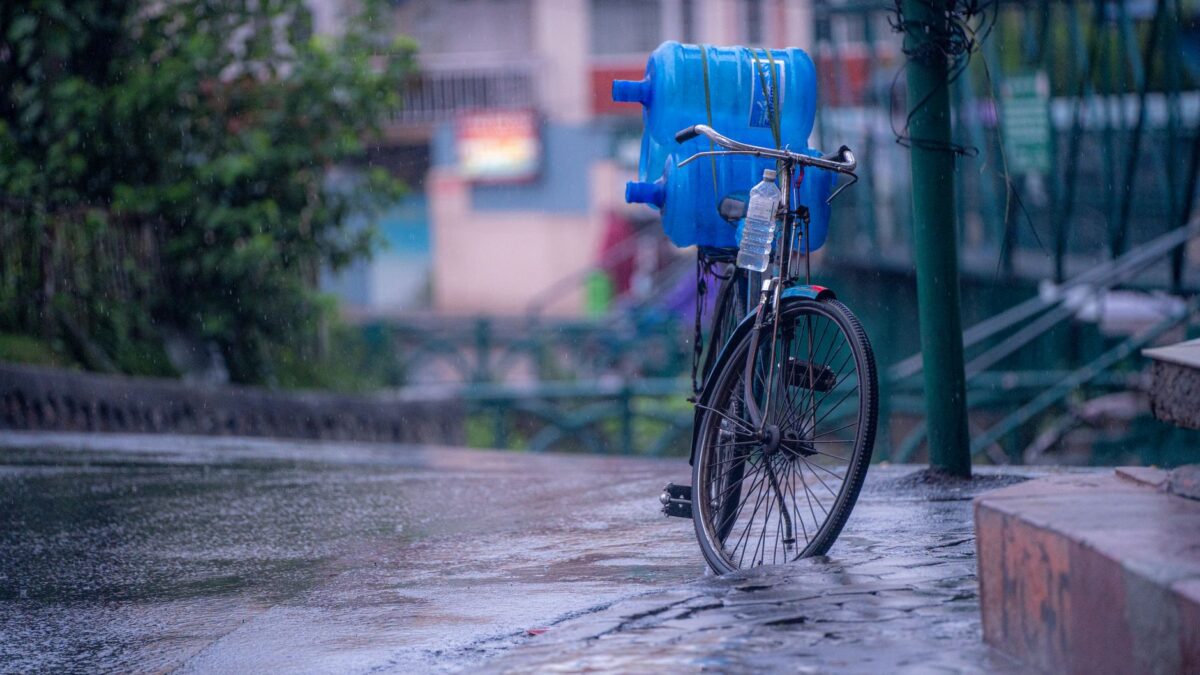
The rain hammers Thimphu’s tin roofs in the afternoons, then clears to a soft, green twilight that smells of wet pine and woodsmoke. At 16–26°C with a sticky “feels like” 29°C, this is peak monsoon — the valley is lush, the clouds hang low over the Tashichho Dzong, and the rivers run fast and brown. But August here isn’t just about getting soaked. It’s the start of the matsutake season, a quiet window before the big autumn tourist push, and a moment when the city’s cultural calendar is actually humming.
Right Now in Thimphu: What’s Actually Happening
As of mid-August, the 15th Drukyul Literature & Arts Festival has just wrapped up at the Royal University of Bhutan hall (1–3 August), but its energy is still lingering in the cafés along Norzin Lam. If you missed it, don’t worry — the more immediate story is the matsutake mushroom season, which is now properly underway in Thimphu and Bumthang. This prized wild mushroom, which the Japanese revere and Bhutanese locals forage from the forest floor, is appearing in markets and on seasonal menus. Ask around at the Centenary Farmers Market by the river for fresh batches, or simply order it in a local eatery if the chef has it.
On 7 August, a magnitude 3.8 earthquake centered in Punakha Dzongkhag (about 27 km northeast) rattled roofs across the capital. It was weak — locals felt a brief shake, nothing more — and life has returned to normal. It’s a useful reminder, though: you’re in a seismically active Himalaya. Know your hotel exit, and don’t be alarmed by the occasional tremor.
Weather & Packing: The Monsoon Playbook
Don’t let the 8mm of rain over 17 hours fool you — that’s a light day. August averages are wetter. The pattern is predictable: mornings start clear-ish and cool, clouds build by midday, and heavy showers hit in the afternoon and evening. Sunlight runs from 05:31 to 18:40, so you get long, usable days if you plan around the rain.
Pack a proper waterproof jacket (not just an umbrella), quick-dry trousers, and waterproof shoes or boots. The streets and paths get slick, and the trails up to places like the Buddha Dordenma are muddy. Layers are key: it’s 16°C in the morning, 26°C by noon, and damp-feeling at night. A fleece or light jumper will serve you well after sunset. And bring a small dry bag for electronics — the rain can catch you off guard on a taxi ride with the window down.
Roads and Disruptions: The Monsoon Reality Check
Here’s the honest local truth: getting around this month requires patience. The Phuentshogling–Thimphu Highway, your main land route from the south, is being repeatedly hit by landslides and debris washing down from the bypass construction above it. Vehicles have been stranded for an hour or more during heavy rain. If you’re flying into Paro and driving up to Thimphu (the usual route), your operator will monitor conditions — but build slack into your schedule. The airport road itself is generally fine, but the last stretch from the airport to the capital passes through slide-prone sections.
Inside the city, ongoing road and drain excavation from Motithang to Babesa is cutting across water, electricity, and internet lines, and narrowing roads. Expect sporadic digging, dust, and the occasional detour. This isn’t new, but it’s active now. Allow 15–20 extra minutes for any taxi ride across town, and double-check that your hotel’s Wi-Fi is stable before relying on it for work calls.
Costs, Crowds & Where Your Ngultrum Goes
August is off-peak for tourism here — the monsoon keeps numbers down, which means lower demand for hotels and more space in the dzongs. You’ll find the city quieter than the autumn frenzy that starts in September. But “cheap” is relative. Your ngultrum goes far on daily basics: a meal at an inexpensive eatery runs about Nu 250 (≈ $3), a plate of momos at the weekend market Nu 50–100 (≈ $1), and a cappuccino around Nu 124 (≈ $1.5). A short taxi ride (though meters are rarely used, expect Nu 15–20 per km) and a city bus fare (Nu 20–30) are pocket change.
Where the money hurts is accommodation and the visa/SDF fee structure. The Sustainable Development Fee is USD 100 per night (valid through 31 Aug 2027), and that’s the real budget line. On the ground, monthly rents for a modest one-bedroom flat are Nu 8,000–10,000 (≈ $110) — but locals are feeling a steep rise, with housing eating 40–60% of an average urban salary (median around Nu 28,000/month). As a visitor, you’ll see low dollar prices on food but not on lodging, especially at the international-brand luxury hotels anchoring the top of the market.
Festivals, Holidays & What’s Coming
Look ahead: the Thimphu Tshechu, the city’s biggest festival, isn’t until later in the autumn, but the coming weeks have their own rhythm. Watch for the Matsutake Festival in Bumthang if you’re travelling east — it’s a celebration of the harvest with local food, cultural programs, and forest walks. In Thimphu itself, the cultural quarter of Kawajangsa is worth a dedicated day: the Folk Heritage Museum, the Royal Textile Academy, and the National Library are all within walking distance of each other.
There are no major public holidays in the last half of August (the next big one falls in the autumn), but daily life in Thimphu follows the Buddhist calendar. At the National Memorial Chorten on Doeboom Lam, you’ll see elderly devotees circumambulating and spinning prayer wheels from dawn to dusk — a beautiful, always-on cultural sight. For a Sunday experience, remember the car-free day: Norzin Lam’s main street closes to traffic, and the whole city turns pedestrian. It’s the best day to stroll, buy crafts, and eat at the street stalls.
Practical Right-Now Tips
- Visa & SDF: Non-Indian/Bangladeshi/Maldivian visitors need a visa (USD 40 fee) plus the SDF of USD 100/night, arranged via a licensed tour operator. Your clearance letter is stamped at Paro International Airport — Thimphu has no airport, so budget travel time from Paro.
- Register smart: Your hotel registers your passport with police on check-in. If you plan to venture beyond Thimphu and Paro, your operator handles the route permits. Don’t go wandering off-route alone.
- Get connected: Pick up a local SIM from TashiCell or B-Mobile with your passport. Prepaid data is cheap and the coverage in the valley is solid for staying in touch and checking the rain radar.
- Money: The ngultrum is pegged to the Indian rupee but only the ngultrum is legal tender here. Bank of Bhutan and Bhutan National Bank have ATMs on Norzin Lam and Chang Lam. Carry small notes for taxis and the market.
- Mind the elevation: At ~2,320m, Thimphu will make you breathe a little harder for the first couple of days. Pace your walks up to Buddha Dordenma or Sangaygang viewpoint, and hydrate well.
- Respect the dress code: At the dzongs and monasteries, cover your shoulders and wear long pants. No shorts or sleeveless tops inside.
- Expect the internet to hiccup: The excavation works have been cutting fiber lines. Your hotel’s Wi-Fi may drop during heavy rain. Have a data backup on your SIM.
August in Thimphu is not the picture-postcard, clear-skies version. It’s the real, breathing, rain-soaked heart of the monsoon — where the forests are electric green, the mushrooms are fresh, and you’ll have the ancient corridors of Simtokha Dzong almost to yourself. Come with waterproof shoes and an open umbrella, and you’ll be rewarded with a Bhutan that most tourists never see.
Frequently asked questions
Is August a good time to visit Thimphu, Bhutan?
Yes, if you don't mind rain. August is off-peak, so crowds are thin and you'll find quieter dzongs. Expect daily afternoon showers, warm temperatures around 16–26°C, and the start of the matsutake mushroom season.
Are the roads from Paro to Thimphu safe in August 2026?
The Phuentshogling–Thimphu Highway is prone to landslides during monsoon rains, with occasional hour-long blockages. The Paro–Thimphu route is generally shorter but still monitor conditions. Build extra time into your travel plans and rely on your operator for updates.
What is the Sustainable Development Fee for entering Bhutan?
Non-Indian nationals pay a Sustainable Development Fee of USD 100 per night, valid through 31 Aug 2027. This is in addition to a USD 40 visa fee and must be arranged through a licensed tour operator.
What's the weather like in Thimphu in mid-August?
Expect temperatures around 16–26°C (feels like 29°C) with rain showers spread over many hours. Morning are clearer, afternoons are wet. Bring a waterproof jacket and quick-dry layers.
What festivals or events are happening in Thimphu now?
The Drukyul Literature & Arts Festival just wrapped on 3 August. The Matsutake mushroom festival season is now starting, with celebrations in Thimphu and Bumthang. The Thimphu Tshechu is later in the autumn.


