

Bhutan in September 2026: what travelers should know now
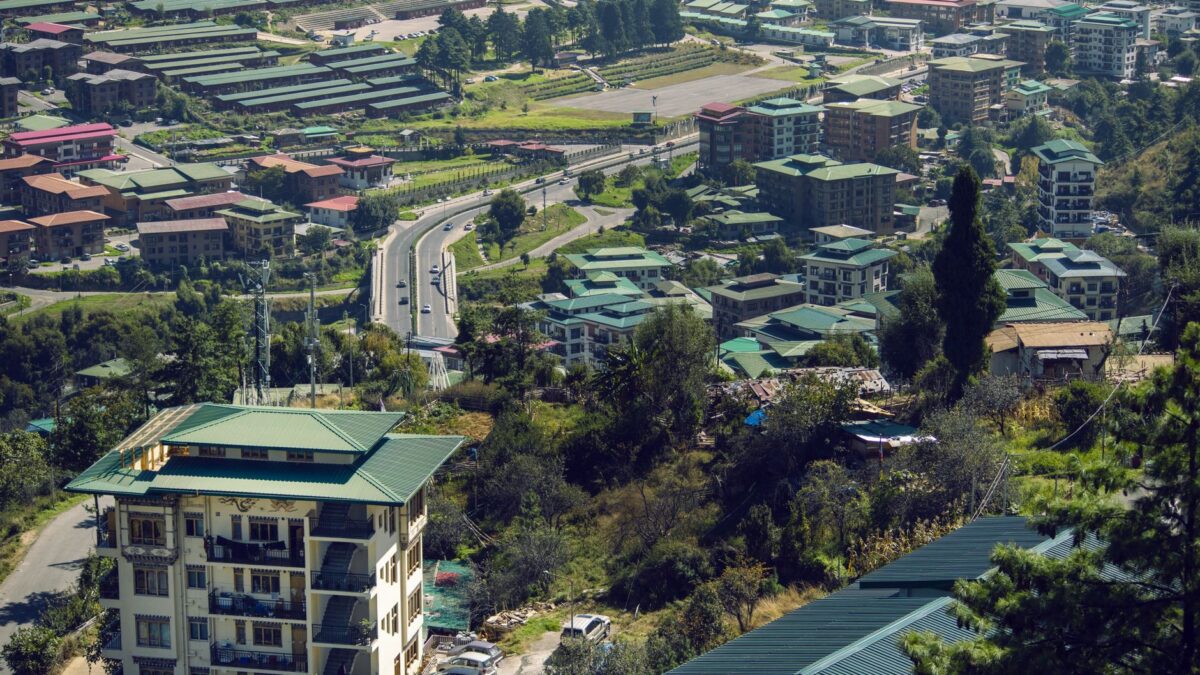
The air in Thimphu this morning is thick with the scent of wet earth and pine, a sharp contrast to the crisp, golden light that will break through later today. It is September 9, 2026, and the capital is caught in that brief, breathless limbo between the monsoon’s heavy sigh and the autumn’s clear promise. If you are here now, or planning to arrive in the coming weeks, you are stepping into a city that is visibly shifting gears. The streets are slick with recent showers, but the energy is changing. Families are arriving, markets are restocking for the harvest, and the calendar is suddenly packed with events that will define your stay.
Weather: Packing for the Wet Turn
Right now, as of this week, Thimphu is experiencing the tail end of the monsoon. Today’s forecast shows temperatures hovering between 14°C and 23°C, with heavy showers expected to persist for several hours. We have recorded about 10mm of rain over the last 14 hours alone. This is not the gentle mist of spring; it is substantial, driving rain that can linger from dawn until late afternoon.
For your packing list, waterproof gear is non-negotiable. You need a reliable rain jacket and sturdy, water-resistant footwear. The humidity is high, so breathable fabrics are key, but do not forget a warm layer for the evenings when the temperature drops near 14°C. Once the rains break fully—which usually happens by mid-to-late September—the skies turn a piercing blue, and the days become pleasantly crisp. But for the next few weeks, expect dampness. Plan indoor activities for the afternoons if possible, or embrace the rhythm of waiting out the downpours with a hot cup of coffee.
Festival Season Arrives: Tshechu and Marathons
The most significant shift happening right now is the arrival of festival season. The quietest part of the month is ending as Thimphu prepares for its biggest cultural event: the Thimphu Tshechu. Running from September 21 to September 23, this three-day festival transforms the Tashichho Dzong courtyard into a vibrant hub of masked cham dances and spiritual celebration. The highlight is the dawn unfurling of the thongdrel, a massive sacred thangka that is displayed for only a few minutes before being carefully rolled up again. Streets around the dzong will close to traffic during these days, and the city will swell with families dressed in their finest gho and kira.
Leading up to the main festival, there are quieter but equally significant rites. On September 17, the Thimphu Drubchen takes place in the same courtyard, dedicated to the protector deity Palden Lhamo. It is a more intimate affair, offering a glimpse into the deeper ritualistic layers of Bhutanese Buddhism.
If you prefer movement over stillness, note that the Thimphu Marathon ‘Run for Global Peace’ is scheduled for September 19. Featuring full, half, 10K, and 5K routes starting near the Buddha Dordenma, this event brings significant road closures and spikes in demand for hotels and transport. Similarly, the Tour of the Dragon mountain bike race, finishing in Thimphu on September 5, has already closed stretches of the east-west highway from Bumthang. While that specific race has passed, the spirit of road activity remains high as the marathon weekend approaches.
Travel Alerts: Roads and Fuel Costs
Logistics require extra attention this month. Travelers heading north from Phuentsholing should be aware that recurring monsoon landslides and debris flows have damaged the road surface and drainage on the highway and the new Rinchending bypass. Closures and diversions are ongoing, meaning your journey to Thimphu may take longer than usual. Check local traffic updates before departing southbound.
On the economic front, fuel prices remain a topic of conversation. Petrol at Thimphu pumps jumped again in early September, reaching approximately Nu 99.17 per litre, driven by global tensions including the failed US–Iran ceasefire and the closure of the Strait of Hormuz. While diesel is quietly subsidized via the National Fuel Price Smoothening Framework, petrol costs are high. If you are renting a car, budget accordingly. For most travelers, however, using taxis or buses is more practical. A short taxi ride runs about Nu 15–20 per km, while a single city bus fare is just Nu 20–30.
Crowds, Costs, and Where to Stay
September is a transitional period for crowds. It is not yet the peak dry-season rush, but the influx of locals returning home for the Tshechu means accommodation fills up quickly, especially near the dzong. Prices may rise slightly due to this localized demand. If you are looking for lodging, options like Hotel Druk Thimphu Bhutan, Hotel Lhading, and Lemon Tree Hotel are central hubs. For those seeking vegetarian-friendly stays, Khamsum Inn is a notable choice.
Daily costs in Thimphu remain relatively affordable compared to many global capitals. Food is particularly cheap. A simple ‘Local Food’ set plate—rice and curry—at an inexpensive eatery costs about Nu 100–250 (roughly $2.1). You can enjoy a bowl of thukpa (noodle soup) for Nu 100–150 or a plate of momos for Nu 80–200. Even a meal of ema datshi, Bhutan’s national dish, at a local spot is around Nu 100–150. Mid-range dining, such as a three-course meal at places like Solé or Aroma Fine Dine & Bar, will run you Nu 750–1,350 (about $13).
Housing, however, is a different story. The local affordability squeeze is real, with one-bedroom rents ranging from Nu 8,000 to 15,000 depending on location. While this does not directly impact short-term tourists, it reflects the broader cost-of-living pressures felt by residents, who spend a significant portion of their income on rent. Inflation sits at 3.6%, and the currency, the ngultrum (BTN), holds steady against the dollar at roughly 83.669 BTN per US$.
Practical Tips for Your Visit
As you navigate Thimphu this month, keep a few things in mind. First, carry cash. While cards are accepted in larger hotels and restaurants, smaller eateries and street vendors prefer ngultrum. ATMs are widely available, including branches of Bank of Bhutan and Druk PNB Bank Ltd.
Second, respect the festival protocols. When visiting the Tashichho Dzong during the upcoming Tshechu, dress modestly. Remove shoes before entering temple structures, and avoid pointing your feet at religious icons. The crowd will be dense, so keep an eye on your belongings.
Finally, explore the cafes. With the rain keeping many indoors, Thimphu’s cafe scene is perfect for work or relaxation. Places like Bao Cafe and coffee, Ambient Cafe, and The HOPE Cafe offer cozy spots to watch the rain fall. A cappuccino costs about Nu 130 (approx. $1.6), and milk is Nu 76 per litre if you prefer to brew your own. Bread is also inexpensive, ranging from Nu 40–80 for a loaf.
Bhutan in September is a study in contrasts: the wet earth yielding to bright skies, the quiet streets filling with festival drums, and the modern challenges of global economics playing out in local pump prices. It is a vibrant, alive time to be here. Welcome to Thimphu.
Frequently asked questions
When is the Thimphu Tshechu in September 2026?
The Thimphu Tshechu runs from September 21 to September 23, 2026, featuring masked dances and the thongdrel unfurling at Tashichho Dzong.
Are there road closures in Thimphu this month?
Yes, roads near Tashichho Dzong will close during the Tshechu (Sept 21-23), and the Thimphu Marathon on Sept 19 causes additional closures. Landslides on the southern highway also cause diversions.
What is the weather like in Thimphu in early September?
Expect temperatures between 14°C and 23°C with heavy monsoon showers. Waterproof gear is essential as rain persists through the first half of the month.
How much does a meal cost in Thimphu?
A local set plate costs Nu 100–250 ($2.1), while a mid-range restaurant meal is around Nu 750–1,350 ($13). Street food like momos is Nu 80–200.


