

Bosnia and Herzegovina in October 2026: what travelers should know now
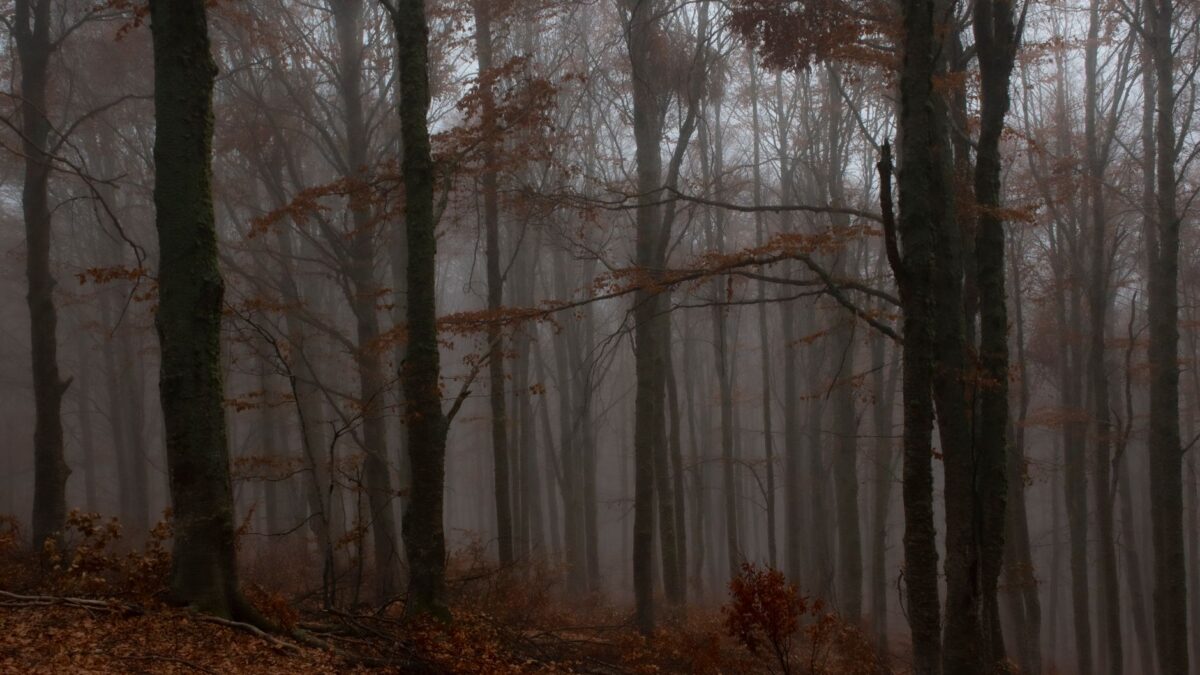
The hills around Sarajevo are turning a deep, burnt gold this week, and the air has that crisp, metallic bite that only comes when the Dinaric Alps decide to close in. As of today, October 12, 2026, the city is wrapped in a thick morning fog that clings to the Miljacka River, hiding the white domes of the Gazi Husrev-beg Mosque until the sun burns it off by mid-morning. Temperatures are hovering between 3°C and 12°C—chilly enough to justify pulling your coat collar up, but perfect for sitting indoors over Bosnian coffee. If you are arriving now, you are stepping into a city that is slowing down from its summer fever, moving its café life behind glass windows, and preparing for the long winter ahead.
What to Expect Right Now: Weather and Packing
This month feels like late autumn in full swing. The street vendors in Baščaršija have started selling roasted chestnuts and pumpkin treats, warming hands against the chill. Because the forecast shows persistent fog and light rain, you need to pack layers. A waterproof shell is non-negotiable; the mist here soaks through cotton quickly. You will see locals wearing wool scarves and sturdy boots as they navigate the cobblestones. For your evenings, expect temperatures to drop significantly once the sun sets behind Trebević mountain, so bring a warm jacket. The days are shortening fast, with daylight ending around 18:08, meaning your sightseeing must happen in the first half of the day.
Culture and Current Events
Sarajevo’s cultural calendar is currently alive despite the cooling weather. While the famous August Film Festival has passed, the city is still buzzing from two major events that concluded just earlier this month. The 66th MESS International Theatre Festival took over venues like the National Theatre and SARTR from October 2–10, filling the streets with drama and energy. Just before that, the 5th Sarajevo Contemporary Dance Intensive brought choreographers from ten European countries to the city, culminating in performances like ‘Amae no kozo’ at SARTR. Even if you missed the exact dates, the atmosphere remains vibrant, and many smaller venues continue to host residencies and workshops inspired by these intensives.
If you are interested in the local pulse, politics is dominating the conversation following the general election held on October 4. With new ballot scanners and biometric ID requirements, nationalist parties gained significant ground, and Željka Cvijanović, an ally of Milorad Dodik, secured the Serb seat on the presidency. This shift is reshaping the political landscape, though Sarajevo itself remains the country’s most liberal, euro-Atlantic-leaning hub. It is a good time to visit if you want to engage with locals who are passionate about their city’s future amidst the gridlock of the Dayton-era power-sharing structure.
Infrastructure and Daily Life Updates
There is one practical issue you must be aware of as you plan your stay: water pressure. Following a burst on the main DN 500 transmission line at the Tilava facility on October 7, and compounded by low spring yields, many neighbourhoods—including Grbavica, Hrasno, Dobrinja, Otoka, and Kovačići—are experiencing reduced water pressure or daytime outages. Residents have been told to ration water. If you are staying in these areas, check with your accommodation provider immediately about water availability. Hotels in the centre generally maintain better reserves, but it is wise to keep a bottle of water on hand. Supply has been restored zone by zone, but reliability fluctuates daily.
On a brighter note, the city is recovering from a large grass fire near Sarajevo International Airport on October 7, which was contained without damaging nearby buildings. Transit remains reliable via the GRAS network, with trams running their east-west axis along the Miljacka. Single rides cost approximately 2.20 BAM, payable via SMS or at kiosks. For longer stays, a monthly pass runs around 54 BAM.
Costs and Seasonal Value
Sarajevo remains one of Europe’s more affordable capitals, though prices are climbing. Inflation sits at 6.1%, and you will notice costs rising compared to even two years ago. A meal at an inexpensive local place costs about 15 BAM, while a three-course dinner for two in a mid-range restaurant runs 60–70 BAM. Traditional staples like ćevapi (ten pieces with somun bread) range from 12–14 BAM in tourist spots, but you can find them for 7–9 BAM in neighbourhood joints. Burek is still a bargain, with a slice costing around 2.5–3 BAM.
Coffee culture thrives here. A cappuccino costs about 3.90 BAM, while a traditional Bosnian kafa is 2–4 BAM. Beer is roughly 5 BAM in a bar. Accommodation is moderate; a modest one-bedroom flat in the city centre rents for about 770 BAM monthly, but hotel rooms vary widely. Given the current exchange rate of roughly 1.808 BAM per US dollar, your purchasing power is decent, but budget carefully for dining out if you prefer the central bazaar experience.
Practical Tips for October Arrivals
Visa-free travel applies for 90 days within any 180-day period for EU, US, UK, Canadian, Australian, NZ, Japanese, South Korean, Turkish, and most Gulf state passport holders. Your passport must be valid for three months beyond your departure. Remember, Bosnia is not in Schengen, so days spent here do not count toward your Schengen allowance.
If you are staying outside a hotel for more than three days, you must register with the Service for Foreigners’ Affairs (Služba za poslove sa strancima) within 48 hours. Failure to do so carries a fine of 100–500 BAM. Bring a copy of your passport, your landlord’s ID, and proof of accommodation. For banking, cash is king. The currency is the convertible mark (BAM/KM), pegged to the euro. Most banks require a residence permit for full accounts, but you can withdraw cash easily at ATMs from Raiffeisen, UniCredit, or Addiko Bank.
For connectivity, buy a local prepaid SIM from BH Telecom, m:tel, or HT Eronet upon arrival. You must show your passport to activate it. Do not rely on EU roaming; it does not apply here. Finally, safety is generally high, with low violent crime. However, watch for pickpockets in crowded trams and Baščaršija. Outside the city, stick to marked paths due to unexploded ordnance from the 1990s war. Enjoy the season—the fog, the coffee, and the golden light are worth the chill.
Frequently asked questions
Is there a water crisis in Sarajevo right now?
Yes, reduced pressure and outages affect several neighbourhoods like Grbavica and Hrasno due to a pipeline burst and low spring yields. Check with your specific accommodation before relying on tap water.
Do I need a visa for Bosnia in October 2026?
Citizens of the EU, US, UK, Canada, Australia, NZ, Japan, South Korea, Turkey, and most Gulf states do not need a visa for stays up to 90 days within any 180-day period.
How much does a beer cost in Sarajevo bars?
A local draught beer (0.5 L) costs approximately 5 BAM in a bar, though supermarket bottles are cheaper at around 1.65 BAM.
What happened to the airport recently?
A grass fire broke out near Sarajevo International Airport on October 7, 2026. Fire crews contained it, and there were no reported damages to nearby buildings.


