
Bosnia and Herzegovina in September 2026: what travelers should know now
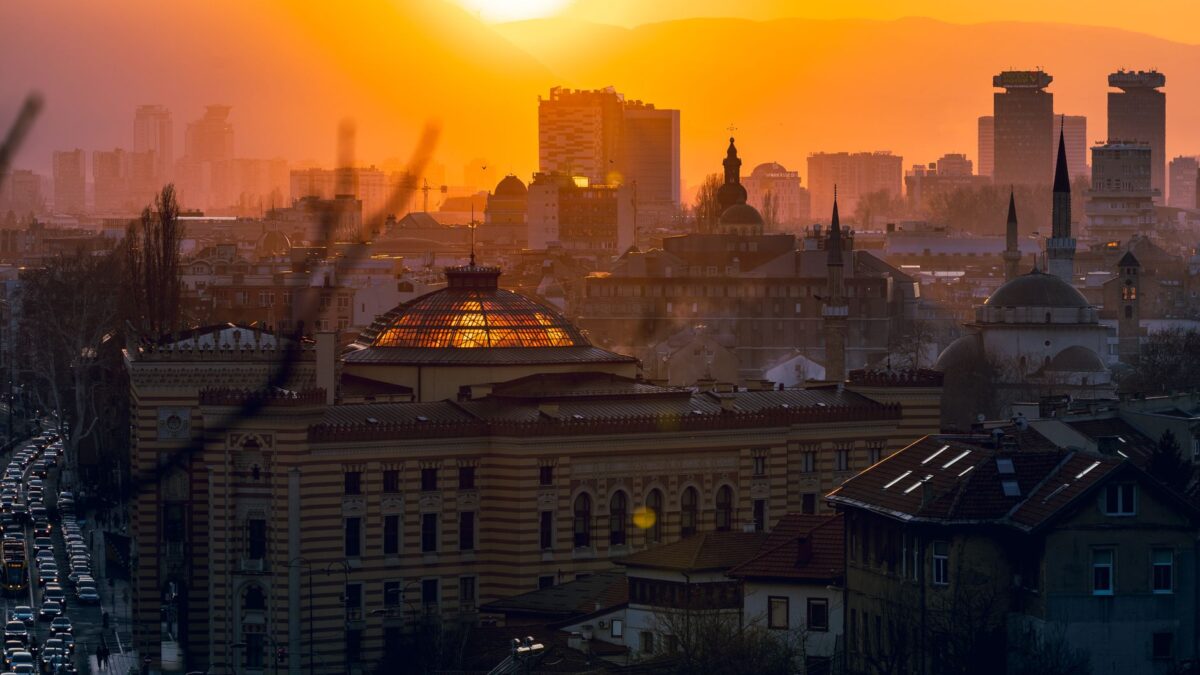
The morning air over Sarajevo usually carries the scent of roasted coffee and damp stone from the Miljacka River, but this September, it tastes different. If you arrived this week, you might have noticed a thick, acrid haze hanging low over the valley. Heavy smoke from forest fires burning on the surrounding hills has blanketed the city, pushing air quality to ‘heavily polluted’ levels and briefly making Sarajevo the most polluted capital in the world earlier this month. It is a stark reminder of the exceptionally dry summer we have endured; the grass is parched, the water supply is strained, and the usual crisp autumn chill hasn’t quite arrived yet.
As of today, September 10, 2026, the weather is holding onto late summer warmth—highs around 31°C with overcast skies—but that smoke layer changes how you experience the city. You need to adjust your plans, pack for both heat and potential respiratory irritation, and be aware that the local rhythm is shifting as we move toward the cooler months. Here is what you need to know right now.
The Seasonal Reality: Heat, Haze, and Dryness
Early September in Sarajevo typically feels like an extension of July. The forecast for this week shows temperatures ranging from 16°C to 31°C, with daylight stretching from roughly 06:19 to 19:06. However, the ‘typical’ sunny afternoon is currently compromised by wildfire smoke drifting down from the Trebević and Igman mountains. While the sun breaks through occasionally, visibility is reduced, and the air quality index fluctuates between moderate and extremely poor depending on wind direction.
This dry spell has also hit our infrastructure. Sarajevo’s water utility has issued appeals for residents to use water rationally due to strain on the network. If you are staying in private accommodation, keep taps running only when necessary. For travelers, this means packing light, breathable fabrics for the daytime heat, but also bringing high-quality N95 masks if you plan to spend extended periods outdoors or engaging in vigorous activity like hiking up to the Yellow Fortress (Žuta Tabija). The smoke tends to settle lowest in the early morning and evening, so midday hikes might offer slightly clearer air, though the heat will be intense.
Festivals, Events, and Local Happenings
Despite the environmental challenges, the cultural pulse of Sarajevo remains strong. There are several key events happening right now or starting very soon that define the current travel landscape:
- FASADA Street-Art Festival: Running from September 5 to 12, this is the sixth edition of the festival. You can find new murals being painted in the Hrasno district, along with graffiti jams and workshops. The closing all-day jam is at the Zetra arena parking lot. It is a great way to see the city’s creative side outside the old town center.
- Balet Fest Sarajevo: Starting just after this briefing, on September 18, the 17th edition begins. Expect contemporary ballet, flamenco, and classics at the National Theatre and Galerija Novi Hram. The festival opens with the ‘Veliki format’ exhibition and closes with ‘Giselle’. Book tickets now, as this is a major cultural draw.
- Sports Derbies: If you are interested in local football, note that the city derby between Željezničar and Sarajevo recently took place at Grbavica stadium. These matches cause significant traffic disruptions, such as the closure of Bulevar Ivice Osima and rerouting of trolleybus lines. Check schedules if you plan to visit Grbavica or the surrounding residential area during match days.
There are no national public holidays scheduled for the remainder of September 2026, meaning museums, banks, and government offices remain open. This is a practical advantage for navigating bureaucracy or visiting sites like the Vijećnica (City Hall), which requires booking slots and may have restricted hours during holiday closures.
Transport Updates: New Trams and Ticket Prices
Getting around Sarajevo is changing. Testing is currently underway on the new Ilidža–Hrasnica tram track, which will operate as Line 11 (Baščaršija–Hrasnica). Regular service is expected to start during September, bringing tram access to Hrasnica for the first time. Watch for signage at stops as routes may be temporarily adjusted.
Pricing for public transport is stable but worth noting. Since July 1, 2025, a single subsidized bus, tram, or trolleybus fare is 2.20 KM (approx. €1.12 / $1.22). If you are staying longer, the monthly worker transit pass in Zone A is 60 KM (subsidized) or 65 KM (full price). For tourists, the reloadable ‘Sarajevo Card’ costs about 5 KM and offers cheaper per-ride taps, while the tourist ‘Sarajevo City Card’ provides 24-hour (€35) or 72-hour (€45) unlimited rides plus attraction discounts.
Taxis are available via apps or street hail, with a base flagfall of 1.90 KM and approximately 1.20 KM per kilometer. Be aware that GRAS (trams/trolleybuses) and Centrotrans (buses) do not share ticketing systems; validate your ticket immediately upon boarding.
Costs and Accommodation in Late Summer
Sarajevo remains one of Europe’s more affordable capitals, though prices have risen steadily. Consumer prices are up about 4.4% year-on-year, and rents are climbing. For context, a modest one-bedroom flat in the city area rents for around 700–900 KM per month. For visitors, daily costs look like this:
- Meals: An inexpensive local restaurant meal costs about 12–15 KM. A three-course dinner for two at a mid-range restaurant is approximately 60 KM. A cup of coffee in a traditional kafana is around 2.80 KM.
- Drinks: A local 0.5L draught beer runs about 3 KM at a bar.
- Local Specialties: A plate of ćevapi (grilled minced meat) is roughly 6–8 KM, and a slice of burek or pita from a bakery is around 3 KM. These are staples for budget-conscious travelers.
Hospitality options range from the historic Hotel Kandilj in the Old Town to modern stays like Hotel Eleven in Centar. Booking in advance is still wise, as September attracts a mix of business travelers and tourists seeking pre-winter escape.
Practical Tips for Arriving Now
If you are arriving in Sarajevo this month, keep these critical points in mind:
- Visas and Registration: Most Western passport holders enjoy 90 days visa-free entry. However, if you are staying in private accommodation (not a hotel), you must register your address within 48 hours at the Service for Foreigners’ Affairs office (Michaela Schumachera 10) or local police. You will receive a ‘White Card’ (bijela karta); keep it safe, as you must show it upon exit. Stays over 90 days require a residence permit.
- Connectivity: Purchase a prepaid SIM card from BH Telecom, m:tel, or HT Eronet at their shops or kiosks. You will need your passport for activation. Coverage is good in the city but drops off in the mountains.
- Safety: Street crime is low, but pickpocketing can occur on crowded trams. More importantly, heed warnings about unexploded landmines on unmarked hillside terrain around Trebević. Stick to marked paths and avoid off-piste hiking until the area is cleared or guided.
- Currency: Use the Convertible Mark (BAM). The peg is fixed at 1 EUR = 1.95583 BAM. Euros are widely accepted in tourist areas, but change is often given in BAM. ATMs are ubiquitous.
Sarajevo is resilient. Even with the smoke and dryness, the city’s spirit—visible in its bustling Baščaršija bazaar, its layered history from the Ottoman Sebilj fountain to the Austro-Hungarian Ferhadija corridor, and its vibrant arts scene—remains undimmed. Adjust your expectations for the air quality, respect the local water conservation efforts, and immerse yourself in the culture. The autumn is coming, and with it, a clearer sky.
Frequently asked questions
Is it safe to visit Sarajevo in September 2026 given the forest fires?
The city is open and generally safe, but air quality has been heavily polluted due to nearby forest fires. Travelers should monitor AQI levels, wear N95 masks outdoors, and limit strenuous activities if sensitive to smoke.
Do I need a visa to enter Bosnia and Herzegovina in September 2026?
Most Western passports (EU, US, UK, Canada, Australia) allow 90 days visa-free entry within any 180-day period. You must carry proof of funds (~75 EUR/day) and onward tickets. No e-visas are available; visas are paper/sticker only.
How much does a meal cost in Sarajevo right now?
An inexpensive local meal is about 12–15 KM. A three-course dinner for two at a mid-range restaurant is around 60 KM. A typical coffee is 2.80 KM, and a plate of ćevapi is approximately 6–8 KM.
What public transport changes are happening in Sarajevo this month?
Testing is underway for the new Ilidža–Hrasnica tram line (Line 11), expected to open regular service in September. Single fares are 2.20 KM, and tourists can buy a 'Sarajevo City Card' for unlimited rides and attraction discounts.
Where do I register if I am staying in private accommodation?
You must register your address within 48 hours at the Service for Foreigners' Affairs office at Michaela Schumachera 10 or local police. Hotels register automatically. You will receive a 'White Card' (bijela karta) which is required for exit.


