
Bulgaria etiquette: the dos and don’ts
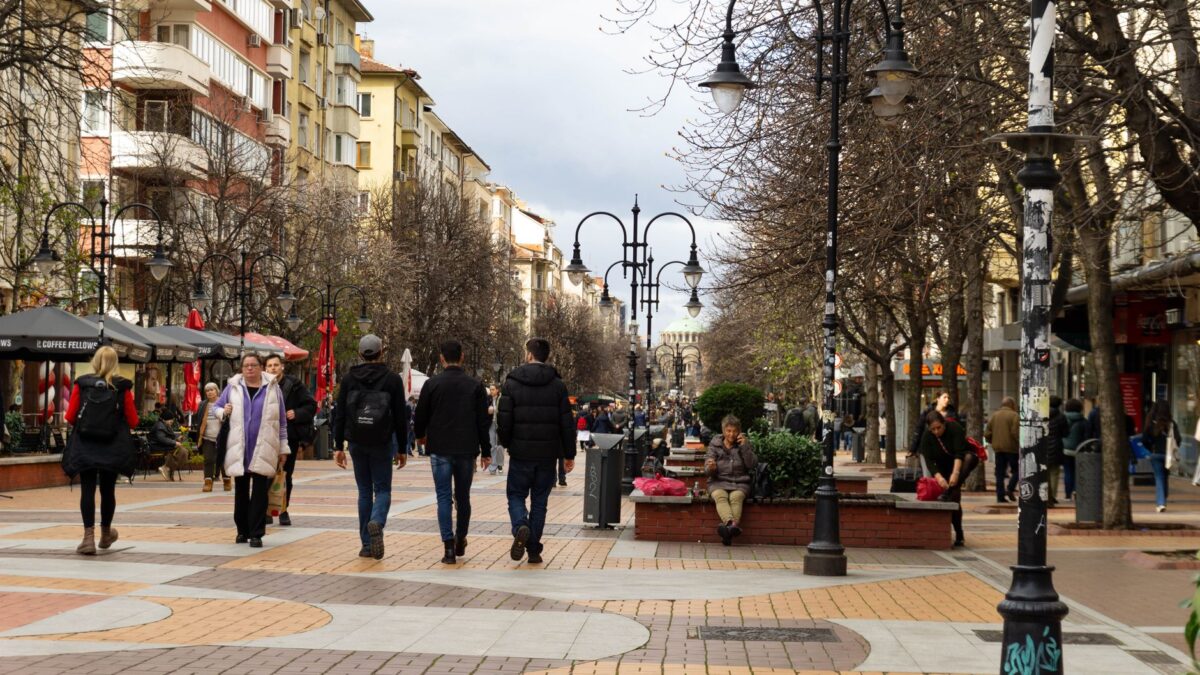
It is mid-September in Sofia, and the air has that crisp, transitional quality—summer heat retreating just enough to let you breathe without sweating through your shirt. The city is buzzing with a specific energy: the KvARTal Festival is taking over the Old Town, filling the spaces around the Central Market Hall and Mineral Baths with music and art, while the tram tracks on Boulevard Knyaginya Maria Luiza are under reconstruction, forcing detours through the Central Station area. You might be navigating these changes or heading to Arena 8888 for the EuroVolley matches, but before you dive into the volleyball frenzy or the heritage forums, there is a rhythm to Bulgarian life you need to learn. It is not about rigid rules, but about respect. Here is how to move through our streets, our tables, and our homes like a local.
The Language of Connection: Nods, Smiles, and Handshakes
In Bulgaria, we have two distinct ways of saying “yes” and “no,” and getting them mixed up is the most common tourist faux pas. We do not shake our heads side-to-side for “no.” That would mean “yes.” Instead, a sharp nod of the head (up and down) means “no,” while a slight tilt of the head or a shrug often signals “yes.” If you are unsure, it is safer to use words. A simple “Da” (yes) or “Ne” (no) goes a long way.
Greetings matter here. When you enter a shop, a small elevator, or a restaurant, look at the staff and say “Zdraveyte” (Hello). It is not just polite; it is expected. In formal settings or when meeting someone for the first time, a firm handshake is standard. Bulgarians value direct eye contact during this exchange—it signifies trust. However, be aware that we can seem intense to outsiders because we hold that gaze longer than some Northern Europeans or Americans might be used to. Do not break eye contact quickly; it reads as shifty. Once you establish rapport, the warmth is genuine. If you are invited into a home, expect to remove your shoes at the door. This is non-negotiable in most households, regardless of how modern the apartment is.
Dining Like a Local: From Banitsa to Banquet
Sofia’s food scene is shifting. With districts like Lozenets becoming a hub for upscale dining near the National Palace of Culture (NDK), you will find everything from high-end tasting menus to cozy neighborhood spots. But the heart of Bulgarian cuisine beats in its simplicity. If you see a tray of banitsa—layers of filo pastry filled with yogurt and white cheese—grab it. A single piece costs around 2.50 BGN, and it is the ultimate comfort food. Pair it with tarator, the cold yogurt-cucumber soup, which runs about 4.50 BGN. These are staples, not novelties.
When dining out, tipping is customary but not aggressively enforced. In a mid-range restaurant where a two-course meal might cost between 30 and 40 BGN per person, leaving 10% is standard if the service was good. In cheaper eateries or cafes, rounding up the bill or leaving small change is appreciated. For example, if your coffee and pastry at a place like Izzy’s Coffee or Martines Specialty Coffee Shop comes to 9 BGN, leaving a 10 BGN note is fine. Waiters appreciate the gesture, though they rarely chase you down for tips.
A crucial etiquette point: bread is sacred. Never throw it away. If you leave half a loaf uneaten, it is seen as wasteful. Instead, tear off pieces as you eat. Also, if you are served rakia (the strong fruit brandy) as an aperitif, do not refuse it outright if offered by a host; a small sip shows respect. At the table, wait for the host to invite you to begin eating. Conversation flows freely, often louder than you might expect in Western Europe, but this is a sign of engagement, not aggression.
Dress Code: Practicality Meets Pride
Bulgarians, particularly in cities like Sofia, take pride in their appearance. You will notice people dressed well even for casual errands. While you do not need to wear a suit to buy milk, looking neat is respected. In business districts like Mladost, where the IT and outsourcing hubs thrive, smart-casual is the norm. In nightlife areas like Studentski Grad, you can dress more expressively, but avoid looking overly sloppy.
Seasonally, September is tricky. Days can hit 26°C, warm enough for t-shirts, but evenings drop to 12°C. Layering is key. If you are planning to hike up Vitosha Mountain, comfortable walking shoes are essential. The Aleko ski centre cable car takes about 30 minutes, but the walk from the station to the summit or trails requires sturdy footwear. Sneakers are acceptable for city walking, but leather shoes or boots signal that you care about your presentation. In churches, such as the iconic St. Alexander Nevsky Cathedral or the historic Boyana Church, modesty is required. Women should cover shoulders and knees; men should not wear sleeveless shirts. It is easy to carry a light scarf or shawl for this purpose.
Small Customs That Speak Volumes
There are subtle behaviors that separate the visitor from the considered guest. One involves the number thirteen. Unlike many Western cultures, Friday the 13th is not inherently unlucky in Bulgaria, but the number itself holds no special negative weight. However, do not whistle indoors. It is believed to summon spirits or blow away your money. Another quirk: when shaking hands, never do so across a threshold. Step fully inside or outside before clasping hands; crossing the line while shaking is considered bad luck.
If you are using public transport, validate your ticket immediately upon boarding. Inspectors are active, and the fine for riding without a validated ticket is 40 BGN. The system uses the Sofia City Card or paper Ultralight tickets. A single ride is 1.60 BGN, and tapping a contactless bank card caps your daily spend at 4 BGN, which is very convenient. If you are driving, remember that winter tires are legally required from December 1st to March 1st. Even in September, keep an eye on the weather forecasts, as mountain passes can turn icy early.
When visiting homes or traditional restaurants, removing shoes is common. If you are unsure, look at what others are doing or ask. Bringing a small gift, like chocolates or wine, is a nice touch if invited to dinner. Do not bring odd numbers of flowers (which are for funerals); always give an even number. And when you pay for a meal, it is polite to offer to split the bill evenly unless someone insisted on treating you, though in group settings, one person often pays and others reimburse later via apps or cash.
Navigating the Modern Sofia
Sofia is a city of layers. You have Roman ruins beneath the metro station, Ottoman mosques beside Orthodox cathedrals, and Soviet-era mosaics in diplomatic districts like Iztok & Geo Milev. Embrace this mix. When you go to the Central Sofia Market Hall, haggle gently if buying produce, but know that prices for basics like milk (around 3.00 BGN per liter) or bread (about 1.30 BGN for a fresh loaf) are fixed in supermarkets. In markets, vendors appreciate friendly banter.
If you are staying longer, note that Bulgaria joined Schengen fully on land borders in January 2025, making travel easier for visa-free nationals. For those needing a SIM card, operators like A1, Yettel, and Vivacom offer tourist bundles, but you will need your passport. If you plan to open a bank account, strict KYC laws mean you will likely need proof of address, such as a lease or utility bill. Banks like DSK Bank or UniCredit Bulbank have extensive networks, but queues can be long, so patience is another virtue.
Finally, be aware of the current events. With Independence Day approaching on September 22nd, expect patriotic displays and possibly traffic restrictions near key landmarks. The city is alive with festivals, from the puppet shows at the Sofia Puppet Theatre to the volleyball games at Arena 8888. Participate in the spirit, but stay informed about road closures, especially around the arena or during the metro construction on the Pancho Vladigerov boulevard. By showing respect for these customs and being mindful of the local pace, you will find Bulgarians to be incredibly hospitable hosts. Welcome to our home.
Frequently asked questions
How do Bulgarians say yes and no?
Bulgarians use a head nod (up and down) to mean 'no' and a head tilt or shrug to mean 'yes'. It is best to use verbal confirmation to avoid confusion.
Is tipping expected in Bulgarian restaurants?
Tipping is customary but not mandatory. Leaving around 10% in mid-range restaurants or rounding up the bill in cafes is appreciated for good service.
What should I wear to a church in Sofia?
Modest attire is required. Cover your shoulders and knees. Women may carry a scarf to drape over their heads or shoulders if needed.
How much does a meal cost in Sofia?
An inexpensive local dish costs around 15 BGN, while a mid-range restaurant meal with two courses is approximately 30–40 BGN per person.
Do I need to remove my shoes in Bulgarian homes?
Yes, it is standard practice to remove shoes when entering a Bulgarian home. Look for slippers provided for guests or ask the host.
Things to do in Bulgaria
 Borovets: Private Ski or Snowboard Tuition
 Half Day Tour around Sofia and the mountains with Thermal Spa
 Food Walk: Bulgarian Food and Culture Tour in Plovdiv
 Sofia Discount Card – Balloon Flights, ATV, Spa, 70+ Experiences
 Private Wine Tasting in the UNESCO town of Nessebar
 Plovdiv, Asen's Fortress and Bachkovo Monastery small group tour with pickup