
Bulgaria in September 2026: what travelers should know now
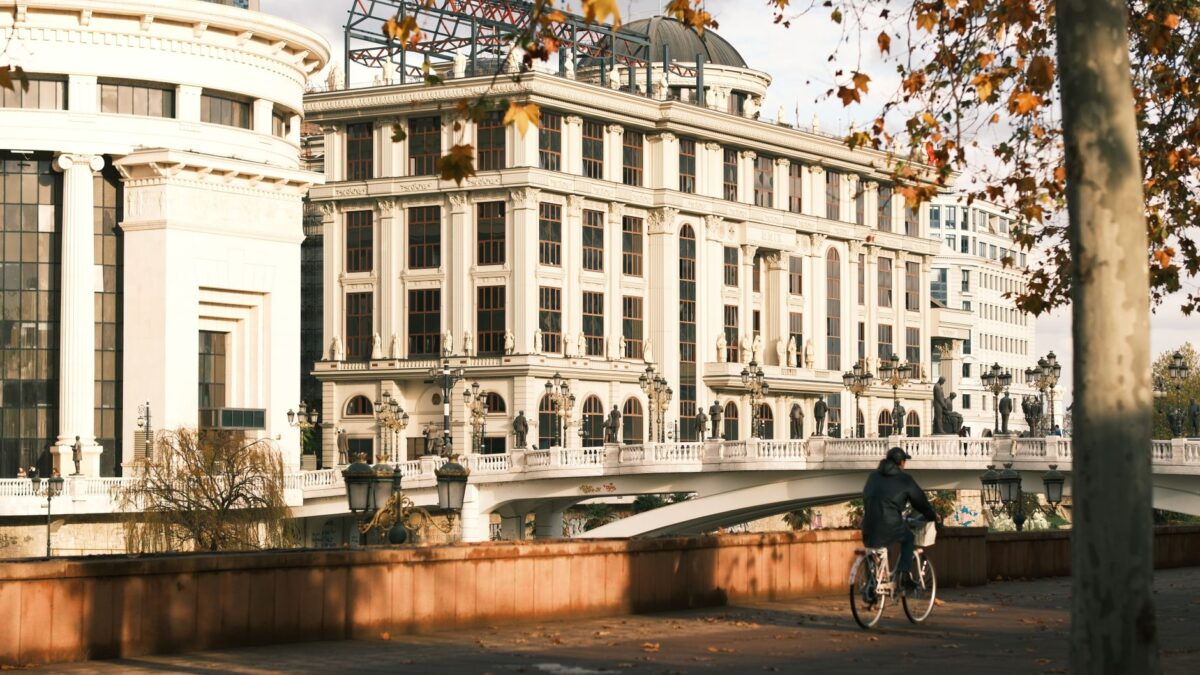
You can feel the shift in the air right now. As of this week, September in Sofia is no longer that long, humid exhale of late summer; it is a crisp, golden hand-over to autumn. The light has sharpened, hitting the domes of St. Alexander Nevsky Cathedral with a clarity that makes the red brick pop against the sky. If you are arriving now, you have caught the city at its most energetic: the parks are still full of life, but the streets are refilling with locals returning from holidays and students rushing back to campus. It is a beautiful time to walk along Vitosha Boulevard, where the first grapes and quince appear on market stalls alongside the last of the summer tomatoes.
Weather and Packing for Mid-September
Today, Thursday the 14th, the thermometer in Sofia is hovering comfortably between 11°C and 22°C. The forecast calls for mainly clear skies with light winds, which is typical for this transitional month. However, do not be fooled by the daytime warmth. The evenings drop quickly, and if you plan to hike up Vitosha Nature Park or catch the cable car to Cherni Vrah summit, you will need layers. The mountain weather is always five degrees colder than the city center.
Pack for versatility. A light jacket or a wool blend works well for the mornings, while t-shirts are fine for the afternoons. Since we are approaching the end of the tourist season, the crowds have thinned slightly compared to July, making it easier to secure tables at outdoor cafes like Izzy’s Coffee and Brunch or Martines Specialty Coffee Shop & Roastery Sofia without a reservation. Prices remain stable; a cappuccino in a local café runs about 3.50 BGN (roughly $1.93), and a loaf of fresh white bread is around 1.30 BGN ($0.72). You are still getting excellent value in one of Europe’s more affordable capitals.
Festivals and Cultural Happenings
This is arguably the best weekend in Sofia for culture. From September 18th to 20th, the Old Town transforms for the KvARTal Festival. The historic quarter—centered around the Banya Bash Mosque, the Central Market Hall, and the Mineral Baths area—opens its doors with over 60 venues. It is not just music; there are exhibitions, heritage tours, and art installations. If you are interested in architecture, make sure to catch the ‘Future of the Old City’ forum on September 16th, which precedes the main festival events.
For something quieter but equally charming, the 14th International Puppet Fair is running until September 19th. Celebrating the Sofia Puppet Theatre’s 80th anniversary, it features 26 shows from 15+ companies across both indoor stages and outdoor public spots. It is a delightful, family-friendly break from the usual sightseeing routine.
Also happening right now is EuroVolley 2026, the men’s European volleyball championship. The group stage matches are being hosted here at Arena 8888 until September 16th. If you are near bul. Asen Yordanov during game times, expect road closures and parking bans. Even if you are not a huge volleyball fan, the atmosphere in the arena is electric, and it is a great way to see Bulgarian sporting pride up close.
Transport Updates and Disruptions
There are two major transport changes you must know about if you are navigating the city this week. First, the metro system is switching from its summer schedule to the winter timetable starting September 19th. This means fewer trains on weekends and slightly adjusted intervals as the school year rush begins. Plan your airport transfers accordingly; the M4 line still takes about 18–30 minutes to reach the city center, and tapping a contactless bank card caps your daily travel cost at 4 BGN.
Second, there is significant construction on bulevard Knyaginya Maria Luiza between Opalchenska and Kozloduy. Tram lines 3, 4, 6, and 7, along with buses 78, 213, 305, and 404, are being rerouted through the Central Station area. If you rely on these routes, check the official Stolica.bg updates before you head out. Additionally, note that Metro service is currently cut between Slivnitsa and Obelya stations due to the construction of a new station on bul. Pancho Vladigerov. Replacement buses, including line 31, are running. Slivnitsa remains the terminus for lines M1 and M4, while Obelya serves M2.
Holidays and Practical Tips
Keep an eye on the calendar: Independence Day (Ден на независимостта на България) falls on September 22nd, just eight days from now. While shops and markets will remain open, some government offices and smaller municipal services may have reduced hours. It is also a day when patriotic sentiments run high, so expect flags flying and perhaps some impromptu gatherings in the parks.
On the practical side, remember that Bulgaria joined Schengen fully—including land borders—on January 1st, 2025. US, UK, and EU citizens enjoy the standard 90-days-in-180 visa-free rule. For currency, while the euro is legal tender, many older price lists or informal quotes might still reference the old lev (BGN) rates out of habit. The fixed conversion is 1 EUR = 1.95583 BGN. A single transit ticket is 1.60 BGN (€0.80), and a monthly all-transport pass costs 50 BGN (€25.50).
Safety is generally high, but ticket inspectors are active. Always validate your paper tickets or ensure your Sofia City Card is tapped correctly; the fine on the spot is 40 BGN. For dining, look for the real local staples. A piece of banitsa (cheese pastry) costs about 2.50 BGN, and a bowl of tarator (cold yogurt-cucumber soup) is around 4.50 BGN. These are the meals residents actually eat, and they offer a taste of the country far cheaper than the tourist traps.
As you settle in, consider staying in districts like Lozenets for upscale dining near South Park, or Studentski Grad if you want to experience the vibrant, loud nightlife along Akademik Boris Stefanov. Whatever your route, September offers a perfect balance of warm days, cool nights, and a city that feels alive with the return of everyday life.
Frequently asked questions
Is Sofia safe for tourists in September 2026?
Yes, Sofia is generally safe. The main concern is public transport ticket validation; inspectors fine 40 BGN on the spot for invalid tickets. Use tap-to-pay options or validate your Sofia City Card.
What are the current transport disruptions in Sofia?
Metro service is suspended between Slivnitsa and Obelya for construction. Trams 3, 4, 6, and 7 are rerouted via Central Station due to track work on Knyaginya Maria Luiza Blvd. Winter metro schedules begin Sept 19.
When is Independence Day and how does it affect travel?
Independence Day is September 22, 2026. Most shops and restaurants remain open, but government offices may have reduced hours. Expect increased patriotic displays in public spaces.
How much does a meal cost in Sofia right now?
An inexpensive local meal is around 15 BGN. Street food like banitsa is ~2.50 BGN, and a bowl of tarator is ~4.50 BGN. A mid-range restaurant dinner per person is approximately 30-40 BGN.
Do I need a visa to visit Bulgaria in September 2026?
Bulgaria is part of the Schengen Area. US, UK, and Canadian citizens can stay visa-free for up to 90 days within any 180-day period. Other nationals should check specific Schengen Type C visa requirements.
Things to do in Bulgaria
 Borovets: Private Ski or Snowboard Tuition
 Half Day Tour around Sofia and the mountains with Thermal Spa
 Food Walk: Bulgarian Food and Culture Tour in Plovdiv
 Sofia Discount Card – Balloon Flights, ATV, Spa, 70+ Experiences
 Private Wine Tasting in the UNESCO town of Nessebar
 Plovdiv, Asen's Fortress and Bachkovo Monastery small group tour with pickup