

Cambodia in October 2026: what travelers should know now
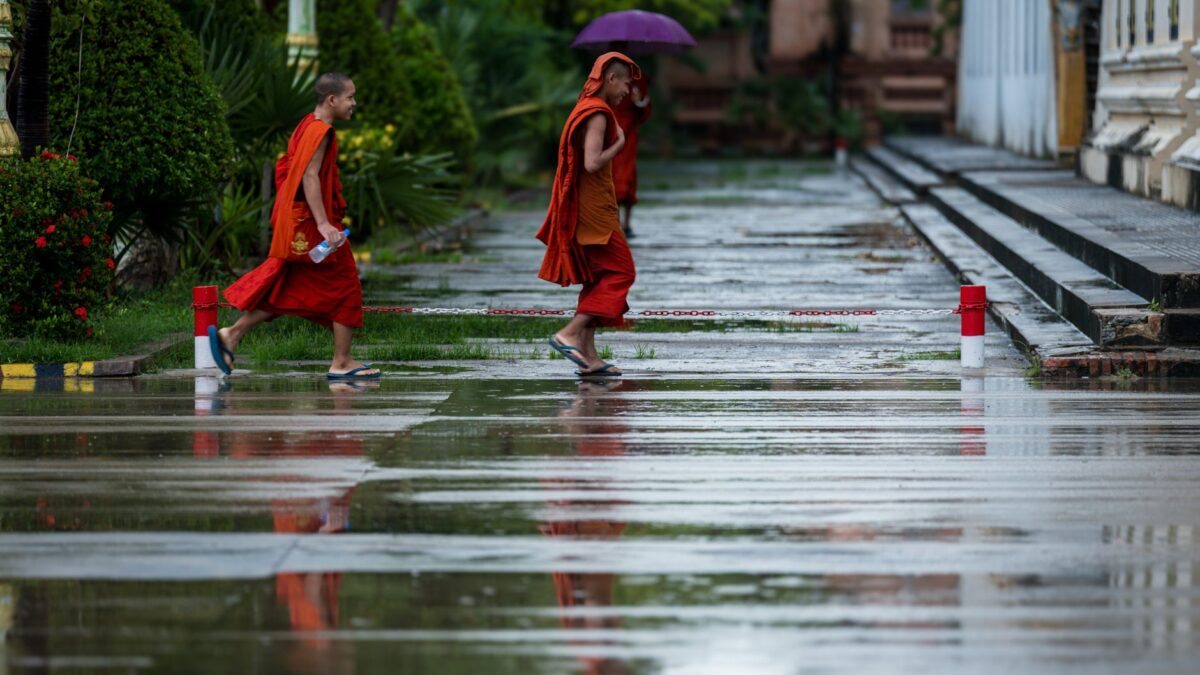
The air in Phnom Penh right now is thick enough to taste—warm, humid, and carrying the distinct scent of wet earth and temple incense. As October begins, the city is caught in a liminal space: the monsoon rains are still dictating our daily rhythm, but the spiritual heartbeat of the country has shifted entirely toward Pchum Ben. If you are arriving this week, you aren’t just visiting a capital; you are stepping into a moment of profound national reflection and logistical adjustment. The streets are busy with pilgrims, the rivers are high, and the local economy is navigating a sharp transition in fuel costs and security protocols. Here is what you need to know for your visit in October 2026.
Weather and Packing: The Monsoon Reality
Do not let the forecast numbers fool you into thinking this is a mild autumn. Today’s verified readings show temperatures hovering between 26–32°C, but with humidity pushing the “feels like” temperature to a stifling 40°C. We are deep in the tail end of the rainy season. Light drizzle is common, with about 1mm of rain recorded over nine hours today, but these are deceptive. The real danger is the sudden, violent afternoon downpour that can turn streets into rivers within minutes.
Recent heavy rain has caused flash flooding in provinces like Battambang and Siem Reap, forcing evacuations. While Phnom Penh itself was mostly spared from catastrophic inundation, the city remains under a flood-readiness order. You will likely encounter standing water on some roads, particularly near the Tonle Sap confluence. Pack accordingly: lightweight, quick-dry clothing is non-negotiable. Bring a compact, high-quality umbrella and waterproof covers for your electronics. Most importantly, plan your outdoor activities for the morning. By 2 PM, the sky often opens up, so keep afternoons reserved for museums, cafes, or indoor dining.
Pchum Ben: The Spirit Festival Takes Over
This is the single most important cultural event of the year for Cambodians, and it is happening right now. Pchum Ben (ពិធីបុណ្យភ្ផុំបិណ្ឌ) runs from October 10 to October 24, with the peak intensity occurring in the first week. For travelers, this means two things: incredible cultural immersion and significant logistical friction.
As of today, the festival period has officially opened. Residents across the city have already begun their early-morning alms-giving rituals at pagodas. Streets that are usually quiet will be filled with traffic as families travel to pay respects to ancestors. If you stay in Daun Penh or near Wat Phnom, expect congestion and noise during dawn hours. Many businesses, especially smaller family-run shops and street vendors, may close early or remain shut during the main days of the festival (October 10–12). However, larger restaurants and hotels in BKK1 and along Sisowath Quay generally remain open, though they may offer special festival menus featuring traditional sticky rice dishes known as ‘num ansom’.
Embrace the atmosphere. Visit a pagoda like Chaktomuk Stadium nearby or Wat Botum in the evening when locals gather to chant. It is a respectful, serene experience, but dress modestly—cover your shoulders and knees. This is not a time for loud nightlife; the city’s energy is turned inward toward spirituality and family.
Economic Shifts: Fuel Prices and Security Checks
There is a new tension in the air beyond the spiritual one. In late September, retail fuel prices jumped sharply, with regular petrol hitting approximately 5,250 riel per litre. This increase has rippled through the transport sector, meaning tuk-tuk and Grab fares may feel slightly higher than they did last quarter. The government has responded by distributing emergency cash relief—60,000 riel per household in Phnom Penh—with payments beginning in late September. While this helps locals, it signals an economic tightness that travelers should be aware of.
More visibly, the political landscape has shifted dramatically under Prime Minister Hun Manet’s administration. The nationwide crackdown on telecom-scam compounds and illegal foreign residency is in full swing. Authorities recently detained nearly 5,000 scam suspects and disciplined police officers involved in corruption. Consequently, police presence is heightened. Spot checks on foreigners are more frequent than usual. If you are riding a motorbike or walking near key government areas in 7 Makara or around the Olympic Stadium, expect ID checks. Carry your passport or a clear photo of it, along with your visa details and e-Arrival confirmation. Failure to produce these can lead to delays or fines.
Practical Logistics for October Arrivals
Getting in and moving around requires specific attention to detail this month. First, ensure you have completed the free Cambodia e-Arrival card at arrival.gov.kh within seven days of your arrival. This is mandatory for everyone, regardless of visa status. Remember that physical passport stamps were replaced in January 2026 by an emailed v-Pass (Visitor Pass); keep this digital copy accessible on your phone and consider printing a backup.
If you are staying longer than a few days, understand the FPCS (Foreigners Present in Cambodia System) registration. By law, your landlord or building manager must register you with the National Police within 24 hours of move-in. If you are renting an apartment in Toul Kork or BKK2, confirm this is handled immediately. Unregistered tenants face fines, and it can block future visa extensions.
Transport-wise, the old airport is gone. Techo International Airport opened in September 2025, located 19 km south of the center. Allow 40–60 minutes for transfer into town, depending on traffic. Within the city, rely on app-based services like Grab, PassApp, or Tada rather than hailing tuk-tuks on the street, especially at night. The risk of bag-snatching on motorbikes is real, particularly around the Riverside bar strip in Daun Penh. Use cash in US dollars for small transactions, but note that the Bakong/KHQR QR system is now standard for larger payments at malls and mid-range restaurants.
Culture and Current Events
Despite the political and weather challenges, October offers unique cultural access. The “Heritage Homeland • Beauty Shared” China-Cambodia Cultural Heritage Festival is running at Factory Phnom Penh until October 4. If you arrive in the very first week of October, you can experience Hanfu dress-up, calligraphy workshops, and food stalls—a rare opportunity to see cross-cultural exchange in action. After that date, focus on the local arts scene. Sovanna Phum (#111, Street 360) continues to host classical Khmer Apsara dance performances, offering a glimpse into the artistic soul of the nation that persists despite modern upheavals.
For those interested in wildlife, the monsoon season makes trips to the Irrawaddy dolphins at Kampi or the Tonle Sap bird sanctuaries difficult due to high water levels and road conditions. Instead, consider the Phnom Tamao Wildlife Rescue Centre near Takhmau, which is more accessible from the city and shelters rescued elephants and tigers. It is a sobering but essential visit that highlights conservation efforts in a challenging environment.
Phnom Penh in October is intense. It is humid, crowded with pilgrims, and politically alert. But it is also vibrant and deeply authentic. If you respect the rhythms of Pchum Ben and prepare for the rain, you will witness the city at its most spiritually charged. Stay flexible, keep your documents handy, and enjoy the warmth of a people coming together to honor their past.
Frequently asked questions
Is Pchum Ben open to tourists?
Yes, Pchum Ben is a public festival. Tourists are welcome to visit pagodas to observe alms-giving rituals, but must dress modestly (cover shoulders and knees) and behave respectfully. Many smaller businesses may close during peak days.
Are there police checks on foreigners in Phnom Penh right now?
Yes. Due to ongoing crackdowns on scams and illegal residency, police spot checks are frequent. Always carry your passport or a clear photo, plus your visa and e-Arrival confirmation.
How much does petrol cost in October 2026?
Fuel prices rose sharply in late September. Regular petrol is approximately 5,250 riel per litre. Expect slightly higher fares for tuk-tuks and ride-hailing apps compared to previous months.
Do I need a visa for Cambodia in 2026?
Most nationalities require a visa. Tourist e-Visas cost $36 via evisa.gov.kh. Visa on arrival is $30-$35. All arrivals must also file a free e-Arrival card at arrival.gov.kh within 7 days before travel.
Is the rainy season over in October?
No. October is still part of the monsoon season. Expect high humidity, heat, and sudden afternoon downpours. Plan outdoor activities for mornings and keep waterproof gear handy.


