

Cambodia in September 2026: what travelers should know now
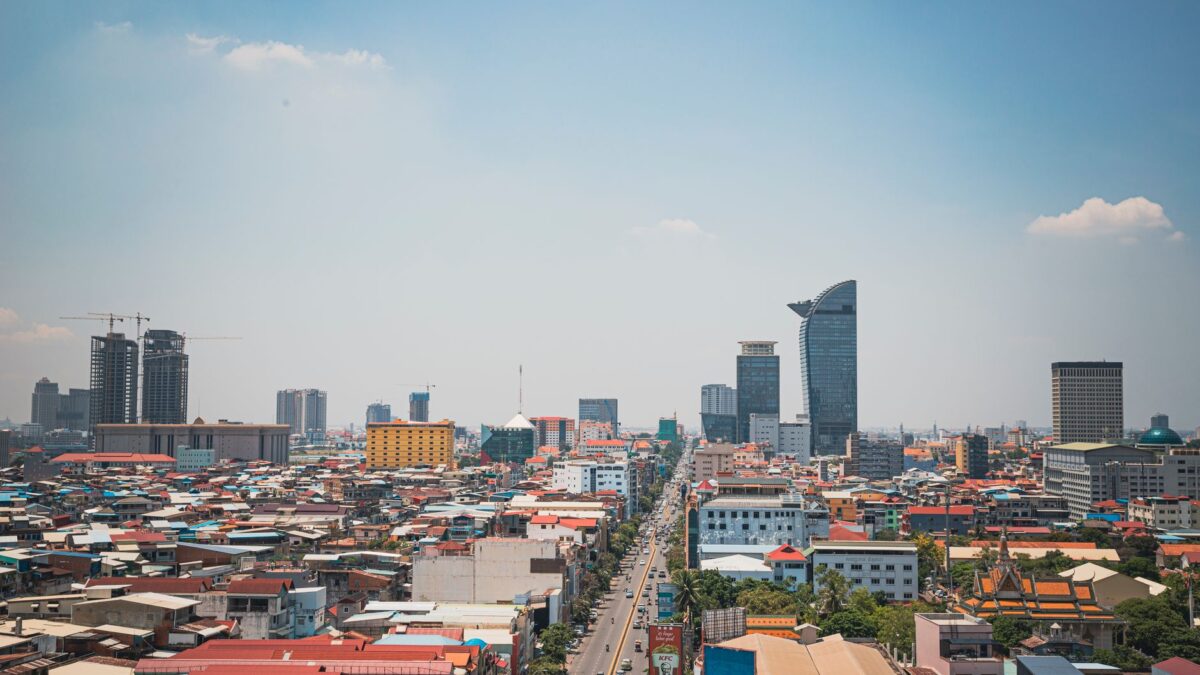
It is mid-September in Phnom Penh, and the air feels thick enough to drink. The monsoon has fully settled in, turning the city into a steamy, vibrant greenhouse where the heat hits you like a wet towel. Right now, temperatures are hovering between 25°C and 32°C, but with the humidity pushing the ‘feels like’ temperature up to a staggering 40°C, you need to respect the sun. We just had an eight-hour stretch of thunderstorms dumping 8mm of rain, leaving the streets slick and the sky bruised purple by dusk. This is not the dry season; this is the heart of the rainy season, and it demands a different pace.
If you are arriving this month, you are stepping into a city that is lush, loud, and deeply alive. The rivers—the Mekong, Tonle Sap, and Bassac—are swelling, bringing life to the waterways but also raising the risk of flash floods in low-lying areas. My advice? Pack light, breathable fabrics, waterproof everything, and plan your days around the weather patterns rather than against them. The rain usually comes in intense bursts, often in the late afternoon, leaving the evenings cool and refreshing if you can find shade.
The Seasonal Rhythm: Heat, Humidity, and Rain
September is firmly in the wet season, which means your itinerary needs flexibility. The ground truth for today shows a forecast of thunderstorms with light breezes from early morning until sunset. When the rain stops, the city exhales. The dust settles, the greenery in Koh Pich (Diamond Island) turns emerald, and the locals come out to the Sisowath Quay riverside bar strip to escape the day’s heat.
Packing strategy is critical here. You will spend more time indoors or under cover than you might expect. Bring a compact umbrella and a lightweight rain jacket that packs down small. Your shoes must be water-resistant; the drainage in older districts like Daun Penh can struggle during heavy downpours. Conversely, the heat index reaching 40°C means hydration is non-negotiable. Carry water at all times, and don’t rely solely on ice, which can sometimes be questionable in street stalls. Stick to bottled water or filtered sources.
Travelers coming from cooler climates often underestimate the combination of heat and humidity. It slows you down. Schedule sightseeing for the morning hours when the air is slightly more bearable, and reserve the afternoons for café culture. This is the best time to experience Phnom Penh’s booming coffee scene without the scorching midday sun beating down on your neck.
Upcoming Holiday: Constitution Day
In nine days, on September 24, 2026, Cambodia observes Constitution Day (ទិវាប្រកាសរដ្ឋធម្មនុញ្ញ). While this is not a public holiday that shuts down the entire country like Khmer New Year, it is a significant national event. Government offices, banks, and some administrative buildings may have reduced hours or close early. For tourists, this means fewer bureaucratic hurdles if you are dealing with visa extensions or local registrations, as immigration offices may be quieter or closed for ceremonies.
Expect to see flags displayed prominently across the city, particularly near the Independence Monument in Chamkar Mon district. There may be official ceremonies at Wat Phnom or other key landmarks, but commercial life continues. Hotels and restaurants will remain open, though some smaller local eateries in residential neighborhoods might take the day off. If you plan to visit government-related sites or attend any cultural performances linked to national identity, check ahead, but generally, your travel plans should proceed normally. It is a good day to observe local patriotism from a respectful distance.
Safety, Scams, and the New Police Reality
This is the most important update for travelers right now. Under Prime Minister Hun Manet, 2026 is defined by a high-profile nationwide crackdown on telecom-scam compounds and illegal foreign residency. In Phnom Penh, this has manifested as visibly increased police checks on foreigners. Officers are conducting spot checks on ID and residency status more frequently than in previous years.
If you are visiting, ensure your documentation is flawless. Keep a clear photo of your passport, your e-Visa, and your Cambodia e-Arrival card confirmation on your phone. Since January 2, 2026, physical passport stamps have been replaced by an emailed v-Pass (Visitor Pass); do not lose this digital record. If you are staying longer, remember that new residents must be registered in the FPCS (Foreigners Present in Cambodia System). By law, your landlord or building manager must register you within 24 hours of move-in. Sub-Decree No. 03, effective January 5, 2026, imposes fines of up to KHR 4,000,000 per illegally harboured foreigner, so landlords are strict about this. Ensure you are registered to avoid complications during police checks.
Safety-wise, central Phnom Penh is generally safe by regional standards. The primary risks are motorbike bag-snatching, especially late at night around the Riverside bar strip in Daun Penh, and traffic accidents. Use app-based ride-hailing services like Grab, PassApp, or Tada rather than accepting unsolicited tuk-tuk rides from strangers. These apps provide a record of your journey and fixed prices. Carry US dollar cash for small transactions, but note that the Bakong/KHQR QR payment system via local banking apps is now standard for daily payments.
Getting Around and Practical Logistics
Transportation in Phnom Penh has changed significantly. Techo International Airport opened in September 2025, located about 19 km south of the city center. Factor in 40–60 minutes for travel into town, depending on traffic. The city has no metro or tram system. Public transport is limited to the Phnom Penh City Bus network, which runs about 13 routes with a flat fare of roughly 1,500 riel (about US$0.37), operating from 5:30 am to 8:30 pm. However, most visitors rely on tuk-tuks and ride-hailing apps.
Banks are easy to access, with ABA Bank, ACLEDA Bank, Canadia Bank, and Wing Bank being expat favorites. To open an account, you typically need your passport, a valid long-stay E-class visa, and proof of address or an FPCS-registered lease. For SIM cards, prepaid options from Smart Axiata, Cellcard, and Metfone are cheap and available at the airport or street kiosks. Passport registration is required by law for SIM activation, but the process is straightforward. eSIMs work well on compatible phones, offering convenience upon arrival.
Dining out is affordable and diverse. In BKK1, known as the ‘foreign capital,’ you will find specialty coffee shops and international cuisine. For a grittier, more local vibe, head to Toul Tom Poung (Russian Market area), where younger expats and digital nomads congregate. Prices vary, but a meal at a place like Riverview Restaurant & Bar or Maloop will cost significantly less than in Western cities. Street food is abundant, but practice caution with hygiene standards.
Where to Go and What to See
Despite the rain, there is plenty to explore. The Royal Palace and Silver Pagoda in Daun Penh are iconic, but the National Museum of Cambodia offers a deeper dive into history. Tuol Sleng Genocide Museum (S-21) and Choeung Ek (the Killing Fields) are somber but essential visits to understand Cambodia’s recent past. For a break from the urban density, Koh Dach (Silk Island) offers a green escape just outside the city. If you are interested in wildlife, Phnom Tamao Wildlife Rescue Centre near Takhmau shelters rescued elephants, tigers, and sun bears, about 40 km south.
Evenings are best spent along the Sisowath Quay, watching the sunset over the Tonle Sap. The riverboats glide by, and the breeze offers relief from the day’s heat. Visit Sovanna Phum for classical Khmer Apsara dance performances, or stroll through the gallery strip on Street 178. The city’s arts scene is vibrant, anchored by the National Museum and the Royal University of Fine Arts.
September in Phnom Penh is humid, rainy, and politically active, but it is also a time of intense beauty and local rhythm. Embrace the rain, stay vigilant with your documents, and enjoy the warmth of the people. It is a unique way to experience Cambodia.
Frequently asked questions
What is the weather like in Phnom Penh in September 2026?
Expect hot and humid conditions with temperatures between 25–32°C (feels like 40°C) and frequent thunderstorms. Rainfall is common, so pack light, breathable clothing and waterproof gear.
Is Constitution Day a public holiday in Cambodia in September 2026?
Constitution Day falls on September 24, 2026. It is a national observance; while some government offices and banks may reduce hours, most tourist businesses and attractions remain open.
How do I handle visa and ID checks during the 2026 crackdown?
Police checks are more frequent. Ensure you have a digital copy of your passport, e-Visa, and Cambodia e-Arrival card (v-Pass). If staying long-term, confirm your FPCS registration with your landlord to avoid fines.
How should I get around Phnom Penh without a car?
Use ride-hailing apps like Grab, PassApp, or Tada for safe, fixed-price transport. Tuk-tuks are also popular, but agree on prices beforehand. Public buses run a flat fare of ~1,500 riel but have limited routes.
What are the current payment methods in Cambodia?
Cambodia uses a dual-currency system (USD and Riel). Most daily transactions now use the Bakong/KHQR QR code system via local banking apps. Carry small USD bills for tips and street vendors.
Things to do in Cambodia
 Siem Reap Angkor Airport Taxis (from Airport to Hotel)
 2-Day Private Angkor Wat, Floating Village & Countryside Tour
 Private 3-Days tour at comfortable areas
 Siem Reap Floating Village Sunset Jeep Tour / SUV Car Available
 2-Days in temples and other areas
 From Siem Reap: Angkor Wat and Floating Village 3-Day Trip