

Chile in August 2026: what travelers should know now
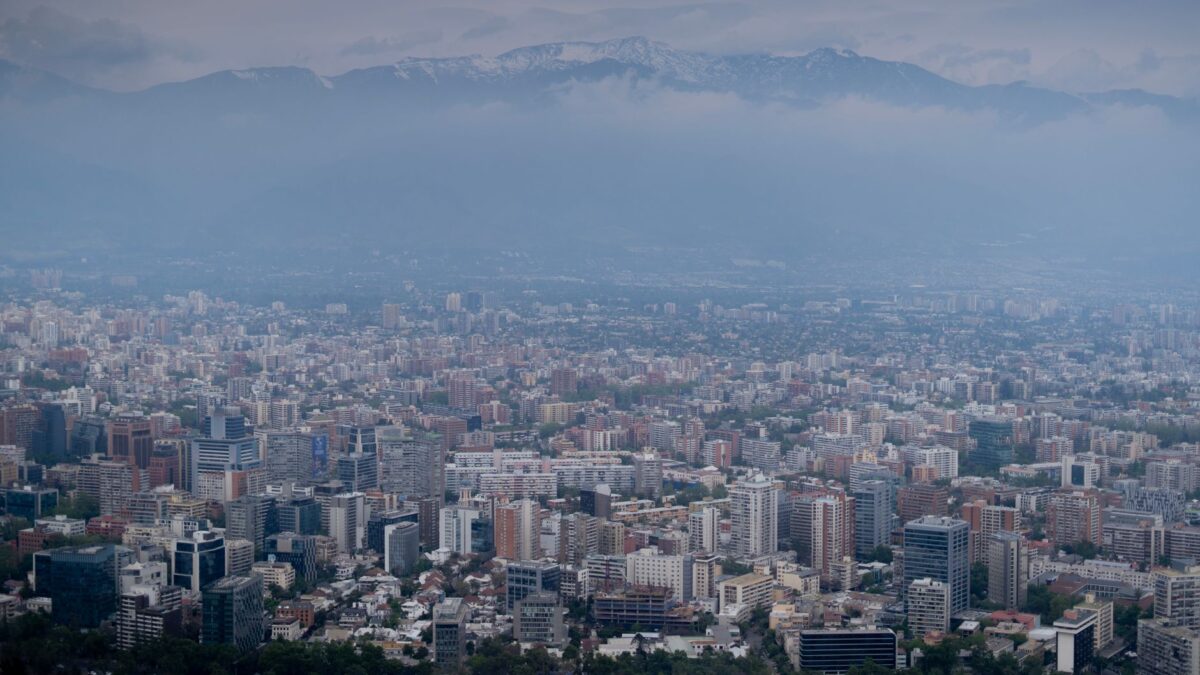
Winter has Santiago in a crisp, bright grip this August. The Andes stand snow-dusted and impossibly close above the city, and the air carries that clean, cold bite of mid-winter mornings. Today, August 14, we’re looking at a light drizzle and a high of about 17°C, with the sun rising just after 7:20 and setting before 6:15 — so plan for short, cool days. But here’s the secret: Santiago’s winter is mostly dry and sunny between the occasional frontal rains. The key is layers. A warm coat, a scarf, and a compact umbrella will see you through everything from a sunny afternoon in Lastarria to a drizzly evening near the Mercado Central. And when that chill sets in, do as the locals do: grab a sopaipilla from a corner cart, or a steaming bowl of caldo de huesos — the city practically runs on these winter comforts.
Assumption Day, Día del Rock Chileno, and a weekend of culture
Tomorrow, Saturday August 15, is the Asunción de la Virgen (Assumption of Mary), a national holiday. Banks, government offices, and many museums will close or run reduced hours, and the city will feel quieter than a usual Saturday — but not empty. The big draw this weekend is Día del Rock Chileno, with free concerts across the metropolitan region. The headliner is a free show at Sala Metrónomo in Recoleta, where the regional pick for Rockódromo 2026 will be chosen. If you’re into Chilean rock, this is the place to be — arrive early, expect a crowd of locals, and keep your phone tucked away.
The cultural wave doesn’t stop there. Starting Sunday August 16, the Santiago International Film Festival (SANFIC) runs through August 23, with screenings at venues like Centro Arte Alameda. It’s a fantastic, low-key way to see Chilean and Latin American cinema, and tickets are usually affordable. Earlier this month, FAMFEST 19, the international performing arts festival for children and young people, began — it runs through August 23 across Santiago venues, so families will find plenty of puppet shows, theatre, and dance. And if you’re staying through the weekend, the U17 Women’s Volleyball World Championship wraps up in Santiago and nearby San Felipe and Los Andes — the finals are happening right around now, so catch a match if you can.
Metro changes and construction headaches (and one great excuse to walk)
As of today, August 14, there’s a notable disruption in the downtown area. Because of archaeological excavation at the intersection of Santa Rosa with Alameda — part of the future Metro Line 9 construction — the Santa Lucía bus stop (PA138) has moved south, past Marcoleta. Bus routes 205 and 209 are also being rerouted in that sector. If you’re relying on the Red bus network, double-check your stop before you head out.
Meanwhile, over at San Pablo station on Metro Line 1, crews have been working overnight on laser 3D scans to fit platform screen doors. This is one of the oldest stations on the line, and you’ll start to see visible changes in the coming weeks — but for now, it’s mostly just nighttime work, so your daytime commute shouldn’t be affected. Still, be patient, and if you’re near Santa Lucía, consider walking a few blocks — it’s a good excuse to see the historic center up close.
What it costs right now (and what to expect)
August is low-season for tourism in Santiago. You’re not fighting crowds at Cerro San Cristóbal or the Museo Chileno de Arte Precolombino, and hotel rates are about as friendly as they get. A mid-range hotel or guesthouse will run you around 40,000 CLP (≈ $40) a night, and a modest one-bedroom apartment rents for about 450,000 CLP (≈ $480) monthly if you’re staying longer. Meals are a bargain: an inexpensive local lunch is about 8,000 CLP (≈ $8), a mid-range dinner around 18,000 CLP (≈ $19), and a street empanada de pino — the classic Chilean snack — sets you back just 1,000–2,500 CLP (≈ $1.9).
Transit is somewhat pricier than the region’s average, with a single metro or bus fare between 770–870 CLP (≈ $0.9). If you’re going to be moving around a lot, the Monto Máximo Mensual cap of roughly 41,000 CLP (≈ $45) is worth hitting — after that, your rides are free for the month. A daily cappuccino at a café will cost about 2,600 CLP (≈ $2.8), a local draft beer 3,000 CLP (≈ $3), and a litre of milk about 1,100 CLP (≈ $1.2). Overall, Santiago is one of the pricier South American cities, but it’s still a steal by global standards. One tip: bread prices have climbed sharply in recent months — up about 14% in a recent quarter — so don’t be surprised if your bakery bill makes you wince.
Pack for winter, but plan for sun
The weather this month is classic Santiago winter: highs around 17°C, lows near 8°C, and maybe a light drizzle (like today’s 2mm over 10 hours). It’s not freezing, but it’s damp and cool, especially in the evenings. Pack a serious jacket, waterproof walking shoes, and layers you can shed when the sun pops out. On clear days, the sky is a brilliant blue and the Andes look close enough to touch — a perfect backdrop for a walk through Parque Metropolitano or a visit to the Museo Nacional de Bellas Artes with its glass dome and palatial architecture.
When you need a break from the cold, duck into Centro Cultural Palacio de La Moneda (in the basement of the presidential palace), or warm up with a caldillo de congrio at the Mercado Central — that’s the fish stew Neruda wrote an ode to. And if you’re feeling brave, a quick trip to the ski resorts in the Andes is absolutely viable for a weekend afternoon — the mountains are that close.
Getting your paperwork right: a reminder for new arrivals
If you’re coming for a longer stay or planning to move, there are a few things to keep in mind this month. Most Western nationalities (US, Canada, EU, UK, Australia, Japan) enter visa-free for 90 days, and you’ll receive a Tarjeta Única Migratoria (TUM) on arrival — keep it safe! Hotels will ask for it to waive the 19% accommodation VAT. If you want to stay longer, you can apply online for a 90-day extension via SERMIG (the National Migration Service). But remember: since the 2022 law, you can’t just arrive as a tourist and convert to residency. Residence permits must be applied for online, from abroad, before you travel.
Once you do get a residence visa, you’ll need to book an appointment at the Registro Civil within 30 days to get your cédula de identidad (which carries your RUN). Your RUT (tax number) is issued separately through the SII tax authority. And budget time for this: temporary residence visas commonly take 6–8 months to process, so start planning a year ahead.
Where to stay and what to do this week
For a first-time visitor, the eastern comunas are the safe, easy choice: Providencia (café-lined Avenida Providencia, right on Metro Line 1), Las Condes (Sanhattan’s corporate towers, Parque Araucano, and the Los Dominicos handicraft market), or Vitacura (quiet, leafy, with Parque Bicentenario and luxury shopping). If you want more bohemian vibes, Bellavista is the nightlife and street-art quarter — visit La Chascona, Neruda’s whimsical house-museum, and browse lapis lazuli shops. And don’t miss Santiago Centro’s Lastarria and Barrio Italia for museums, design, and café culture.
For a place to stay, consider Hotel Cumbres Lastarria (centrally located, great for SANFIC), Heidelberg Haus Apart Hotel Providencia (apartment-style, practical for longer stays), or APT Serviced Apartments Santiago if you want a kitchen. And for an unforgettable meal, book a table at Boragó in Vitacura, chef Rodolfo Guzmán’s acclaimed restaurant that uses Patagonian ingredients in inventive ways — it’s an experience, not just a dinner.
One final word on safety: Santiago is generally safe by Latin American capital standards, especially in the eastern comunas. But be alert in busy tourist spots like Plaza de Armas or the Mercado Central — phone snatching and pickpocketing happen. Keep your phone out of sight on rush-hour metro, and use Uber or Cabify after dark in less familiar areas. With those simple precautions, you’ll be free to enjoy one of South America’s most dynamic capitals — in a surprisingly quiet, affordable, and culturally rich winter moment.
Frequently asked questions
What is the weather like in Santiago in August?
It's winter, with highs around 17°C and lows near 8°C. Expect mostly dry, sunny days with occasional light drizzle (like today's 2mm). Bring layers, a warm jacket, and an umbrella for the odd shower.
Is August 15 a public holiday in Chile?
Yes, August 15 is the Asunción de la Virgen (Assumption of Mary). Banks and many museums close, but it's also Día del Rock Chileno, with free concerts across Santiago, including a headliner at Sala Metrónomo in Recoleta.
Are there any metro or bus disruptions in Santiago this month?
Yes, due to Metro Line 9 construction, the Santa Lucía bus stop (PA138) has moved south, and routes 205 and 209 are rerouted. San Pablo station on Line 1 is also undergoing nighttime work to install platform screen doors.
What is the Santiago International Film Festival (SANFIC) and when?
SANFIC runs from August 16 to 23, with screenings at venues like Centro Arte Alameda. It's a great chance to see Chilean and Latin American films at affordable prices.
How much does it cost to eat out in Santiago?
A meal at an inexpensive local place is about 8,000 CLP (≈$8), while a mid-range restaurant dinner is around 18,000 CLP (≈$19). A street empanada de pino costs 1,000–2,500 CLP (≈$1.9).
Things to do in Chile
 Guided Half Day Kayak Tour with Picnic in Villa la Angostura
 Gong Bath in the Magic Forest in San Pedro de Atacama
 Villarrica Volcano Ascent
 Guided Kayak Trip on Liucura River
 Valpo in 1 day: Authentic + Famous! Semi-private walking tour & public transport
 Private Full Day Tour on Easter island "The Highlights"