

Chile in November 2026: what travelers should know now
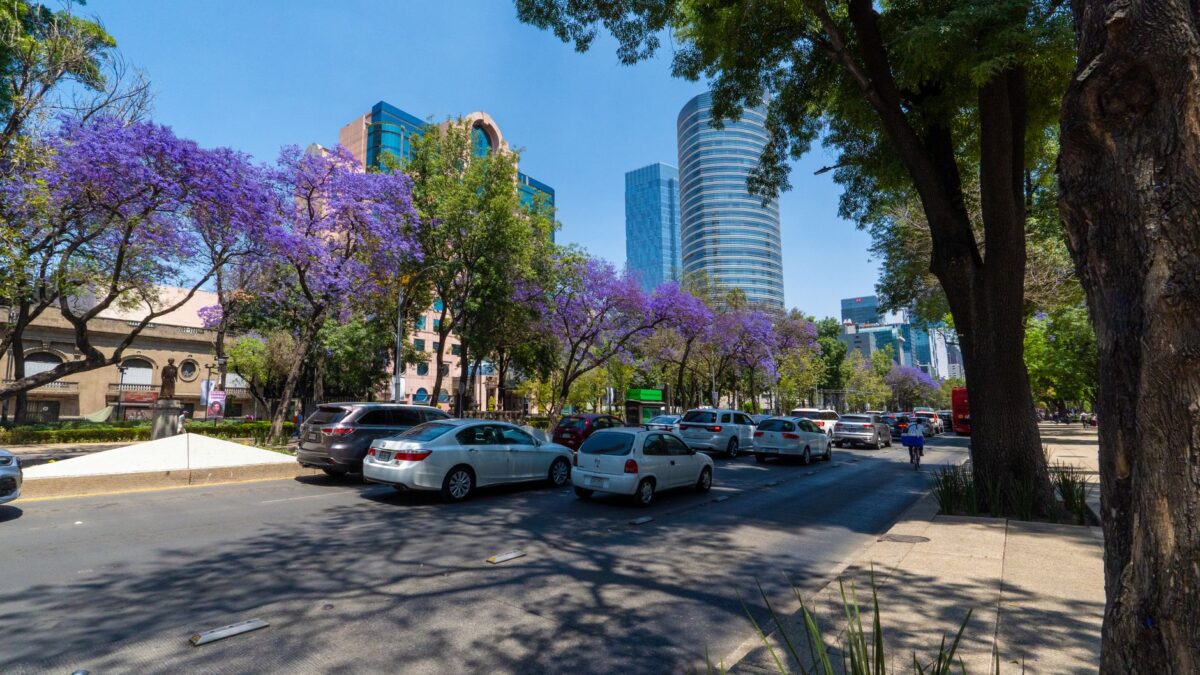
There is a specific quality to the light in Santiago right now that you will notice the moment you step off the plane. It is late spring, but not the lazy, humid kind found elsewhere in South America. The air is crisp, the Andes are sharply defined against a deep blue sky, and the jacaranda trees lining Alameda are beginning their dramatic purple flush. But if you are arriving this week, you might be greeted by something else entirely: a fine, persistent drizzle that seems to hang over the city like a grey veil.
I am Tomás Fuentes, and I live here. While the forecast for the coming days suggests temperatures hovering between 10°C and 18°C with light rain, do not let that fool you into thinking Chile is cold. This is the threshold of summer. The sun, when it breaks through—which it often does in the afternoons—hits differently in November. It is the month where the city wakes up from its winter hibernation. Ferias spill onto sidewalks, open-air fairs take over parks, and the pace of life quickens. Here is what you need to know about navigating Santiago in November 2026.
The Weather Rhythm: Pack for Layers, Not Just Rain
November in Santiago is a study in contrasts. Mornings can feel genuinely chilly, especially if you are walking near the Mapocho River or climbing Cerro San Cristóbal, requiring a light jacket or even a thin wool layer. By midday, however, the temperature climbs quickly. You will see locals shedding coats as soon as the sun hits the pavement. The current weather pattern brings light drizzle, which is typical for early November, but it rarely turns into a downpour that disrupts plans.
Packing strategy should reflect this volatility. Bring a waterproof shell for the mornings and breathable fabrics for the afternoons. If you are planning day trips to the Andes, such as Cajón del Maipo, remember that altitude changes everything; those mountain valleys will be significantly colder than the capital, so pack accordingly. The dry, bright warming trend is accelerating, meaning this is arguably the best window to visit before the peak summer crowds arrive in December.
What Is Happening Now: Festivals and Cultural Surges
Santiago is currently buzzing with a dense calendar of events, making this one of the most culturally rich weeks of the year. If you have an interest in film, the SANFIC 22 (Santiago International Film Festival) is running across various city cinemas until November 8th. It is a major draw, with international attention focused on the closing Sunday, where Mexican actor Diego Luna will appear in person for his film ‘Cenizas en la boca,’ alongside a tribute to Chilean actress Antonia Zegers. Booking tickets in advance is essential, as these screenings sell out fast.
For design and lifestyle enthusiasts, two major fairs are transforming public spaces. Bazar ED has taken over Parque Bicentenario in Vitacura, hosting over 200 exhibitors across design, fashion, and decor. It runs through November 8th and features masterclasses and live music, offering a great chance to experience high-end Chilean creativity in an open-air setting. Simultaneously, Centro Cultural Estación Mapocho is hosting ART WEEK, a contemporary art fair featuring over 380 artists from Chile, Mexico, Peru, and Argentina. With immersive light installations and free watercolour classes, it is a vibrant hub for art lovers. Tickets are reasonably priced, around $3,000 CLP.
If you prefer food and local crafts, keep an eye on Mercado Urbano Tobalaba (MUT) in Las Condes, where the Mercado de Primavera spring market sets up its stalls selling direct-from-farmer produce, charcuterie, and ceramics. Meanwhile, Bellavista’s Centro Cultural Montecarmelo is holding its first Feria de Artes Gráficas, celebrating independent printmakers and illustration. These events signal a city eager to engage outdoors, despite the occasional drizzle.
Getting Around: Metro Disruptions and Transit Tips
As you navigate the city, you must be aware of current transport realities. Santiago’s Metro system is undergoing significant stress today, November 6th. Line 1 has been cut back to Pajaritos–Los Dominicos during morning rush hours due to a medical emergency, with stations San Pablo and Neptuno closed. Replacement buses are running on the surface. While this is a temporary emergency measure, it highlights the importance of checking real-time transit updates via apps like Transantiago or Red Movilidad before heading out.
For your general travel budgeting, note that Santiago remains one of Latin America’s pricier cities. A single metro fare during peak hours (Tarifa Metro Punta) is approximately $870 CLP, while off-peak fares sit around $710 CLP. Bus fares are flat at roughly $770 CLP. If you plan to use public transport extensively, consider the monthly cap via the Dale QR system, which costs about $41,000 CLP per month. For short stays, buying a Bip! card (around $1,550 CLP upfront) allows for seamless transfers within 120 minutes, saving you money compared to individual ticket purchases.
Uber and Cabify are widely available and generally safe, particularly in upscale districts like Providencia, Las Condes, and Vitacura. However, in the historic center and crowded metro stations, petty theft remains a concern. Keep your phone secure and avoid flashing valuables, especially after dark in areas like Plaza de Armas.
Costs and Practicalities: What Your Money Buys Today
Economically, Chile is stable but expensive relative to its neighbors. The inflation rate sits at 4.2%, and the exchange rate is approximately 943.57 CLP to 1 US dollar. Rent prices have risen, with a modest one-bedroom flat in central Santiago costing around $328,000 to $340,000 CLP monthly. For travelers, this translates to higher costs for dining and accommodation compared to previous years.
A staple street food, the completo italiano—a hot dog loaded with avocado, tomato, and mayonnaise—has seen price hikes, now costing between $3,500 and $4,000 CLP in downtown eateries. While still affordable by global standards, it reflects the broader trend of rising costs. To manage expenses, look for ‘menús’ at local restaurants in neighborhoods like Barrio Lastarria or Bellas Artes, where lunch specials often provide better value than à la carte options. Coffee culture is thriving here; expect to pay premium prices at specialty cafes like Perfil Coffee or Casa Salvo Café, but the quality is consistently high.
Visa-free entry applies to citizens of the US, EU, UK, Canada, Australia, and most Latin American countries for stays up to 90 days. Ensure you keep your ‘Tarjeta de Turismo’ slip issued by PDI upon arrival, as hotels require it to exempt you from VAT, and you will need it for exit procedures. If you plan to stay longer, residency applications must be made online via SERMIG before travel; converting a tourist visa to residency from within Chile is generally no longer permitted under recent laws.
Final Thoughts: Embrace the Spring Energy
Despite the grey skies and transport hiccups, November offers a unique energy in Santiago. The city is shedding its winter coat, festivals are peaking, and the outdoor spaces are filling with life. Whether you are exploring the pre-Columbian artifacts at the Museo Chileno de Arte Precolombino, wandering through the artistic alleys of Bellavista, or simply enjoying a coffee in Providencia, the city feels alive and accessible. Plan your days around the indoor cultural events when the rain falls, and step outside when the sun breaks through. That is the rhythm of Santiago in late spring.
Frequently asked questions
Is Santiago safe for tourists in November 2026?
Yes, districts like Providencia, Las Condes, and Vitacura are considered very safe. Petty theft is the main risk in the Centro Histórico and crowded Metro stations; remain vigilant with valuables and use Uber or taxis at night.
Are there any major festivals happening in Santiago this week?
Yes, SANFIC 22 (film festival) runs until Nov 8, Bazar ED is at Parque Bicentenario until Nov 8, and ART WEEK is at Centro Cultural Estación Mapocho from Nov 7-8. Book tickets in advance.
How much does a meal cost in Santiago now?
A standard completo italiano costs $3,500–$4,000 CLP. Lunch menus at local restaurants offer better value, while specialty coffees at cafes like Perfil or Casa Salvo command premium prices.
What are the current Metro fares and payment methods?
Peak fares are ~$870 CLP, off-peak ~$710 CLP. You can use a Bip! card, QR codes via the Red Movilidad app, or contactless Visa/Mastercard. A monthly cap of ~$41,000 CLP is available.
Things to do in Chile
 Guided Half Day Kayak Tour with Picnic in Villa la Angostura
 Gong Bath in the Magic Forest in San Pedro de Atacama
 Villarrica Volcano Ascent
 Guided Kayak Trip on Liucura River
 Valpo in 1 day: Authentic + Famous! Semi-private walking tour & public transport
 Private Full Day Tour on Easter island "The Highlights"