

China etiquette: the dos and don’ts
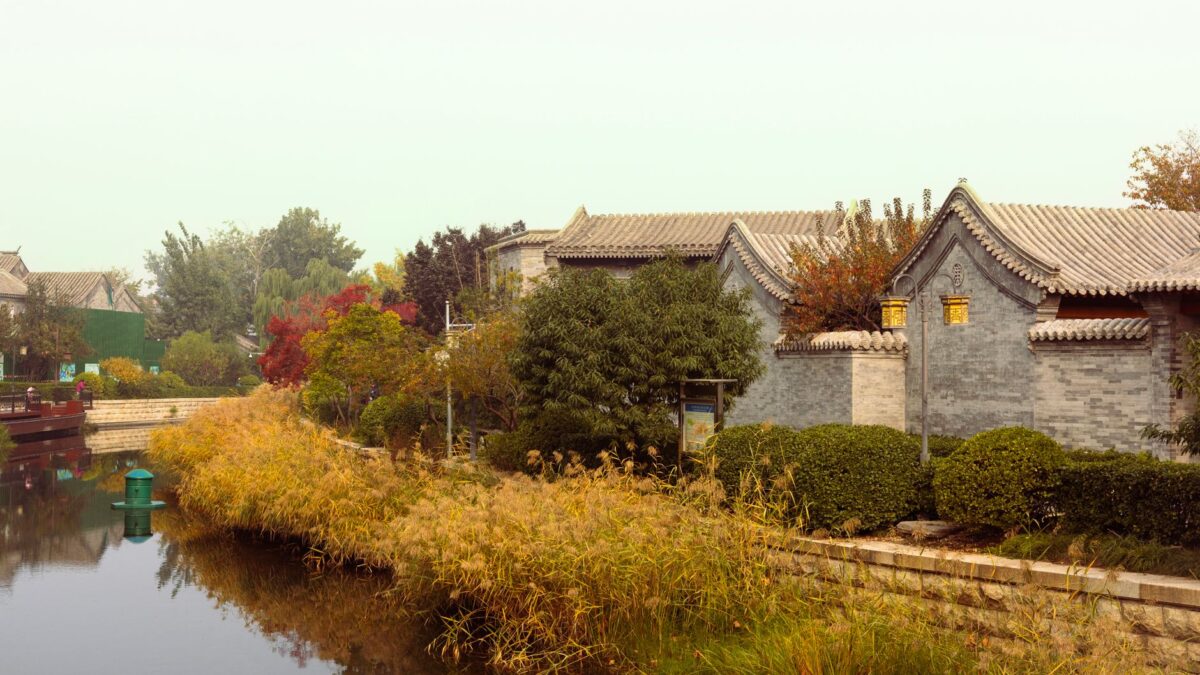
It is late September in Beijing, and the air has that crisp, dry bite that signals autumn has finally arrived. The sky is a piercing blue, and the first chrysanthemums are beginning to turn the city’s parks into vibrant tapestries. If you are visiting now, you might be catching the tail end of the Mid-Autumn Festival celebrations or bracing for the massive National Day holiday starting October 1st. But before you dive into the hutongs or queue for the Forbidden City, there is a delicate dance of etiquette to learn. Being a considerate visitor here isn’t just about politeness; it is about understanding the rhythm of daily life in a city where ancient tradition meets hyper-modern efficiency.
Greetings and Social Nuances
In China, hierarchy and respect are woven into every interaction. When meeting someone, a firm handshake is standard in business settings, but among friends or in casual encounters, a slight nod or a wave is often sufficient. Eye contact should be warm but not prolonged; staring can be seen as aggressive or rude. Always address people by their title and surname (e.g., Manager Wang, Teacher Li) rather than their first name unless invited to do so. This shows respect for their position and age.
If you are invited into a home, remember that shoes are rarely worn inside. You will likely be offered slippers—wear them with gratitude. When handing over or receiving something, especially business cards or gifts, use both hands. It signifies that you value the object and the person. A small gift from your home country is appreciated, but avoid clocks, white flowers, or sharp objects, as these carry negative connotations related to death or severing relationships.
Dining Manners: The Art of Sharing
Chinese dining is communal. Dishes are placed in the center, and everyone shares. Do not dig through the platter for your favorite piece; use the serving chopsticks provided. If you are eating at a traditional noodle shop like those near Nanluoguxiang, slurping your noodles is not only acceptable but encouraged—it shows the chef you are enjoying the meal. However, stick your chopsticks vertically into a bowl of rice, as this resembles incense burned for the dead and is considered bad luck.
Tipping is not customary in China. In fact, leaving money on the table can cause confusion, as staff may chase you down to return it, thinking you forgot your change. Service charges are sometimes included in high-end hotels or international restaurants, but for the average local eatery—from a jianbing street stall costing around 7–10 RMB ($1.2) to a mid-range restaurant where a meal runs 80–150 RMB ($16)—no tip is expected. If you want to show appreciation, simply saying “xiexie” (thank you) with a smile is perfect.
When drinking tea or alcohol, never fill your own glass. Refilling others’ glasses is a sign of hospitality. If someone pours for you, tap your fingers on the table twice—a quick, silent gesture of thanks known as “finger kung fu.” Also, note that hot water is the default drink. While cafes in Chaoyang offer Western coffee for about 21 RMB ($2.9), locals prefer hot tea or boiled water, even in summer, believing it aids digestion.
Dress Code and Public Behavior
Beijing is cosmopolitan, but modesty remains key, especially when visiting religious sites like the Lama Temple or the Temple of Heaven. Shoulders and knees should be covered. In the bustling commercial districts like Sanlitun or CBD, fashion is bold and trendy, but outside these zones, practical comfort wins. The weather in late September varies from 15–24°C, so layering is wise. Bring a light jacket for the evening chill.
Public behavior is generally orderly. Queuing is strict in most places, though it can get chaotic during peak transit hours. Avoid loud conversations on public transport; many commuters read, listen to music with headphones, or nap. Smoking is banned in most indoor public spaces and restaurants, so always look for designated outdoor areas. Littering is frowned upon, and fines are increasingly common in tourist zones.
Navigating Modern Customs and Tech
You cannot talk about etiquette in modern Beijing without mentioning technology. Cash is nearly obsolete. Everyone uses Alipay or WeChat Pay. As a visitor, you can link your foreign Visa or Mastercard to Alipay since the March 2024 updates, which is essential for paying for everything from a metro ride (starting at 3 RMB $0.6) to buying roasted chestnuts on the street. Having physical cash is useful only as a backup.
When using public transit, have your QR code ready before you reach the gate. The Yikatong smart card is an option, but the digital route is faster. Be aware of rush hour: avoid the subway between 7:30–9:00 am and 5:30–7:00 pm if you can. The crush is intense, and personal space vanishes. Safety is high, but keep an eye on your pockets in crowded areas like Line 1 near Tiananmen. Bag scans are mandatory at all subway entrances—be patient.
Finally, be mindful of sensitive topics. Political discussions are best avoided with strangers. The internet is filtered, so expect Google, WhatsApp, and Instagram to be blocked. Using a VPN is common but legally grey. Respect these boundaries to ensure your stay remains smooth and enjoyable. Whether you are exploring the Autumn Garden Party at Ritan Park or hiking the Mutianyu Great Wall, approaching local customs with curiosity and respect will open doors—and hearts—in ways no guidebook can match.
Frequently asked questions
Do I need to tip in Beijing restaurants?
No, tipping is not customary in China. Leaving money on the table may confuse staff who will try to return it. Service is included in high-end venues, but local eateries expect no extra gratuity.
What should I wear when visiting temples in Beijing?
Dress modestly by covering your shoulders and knees. This applies to sites like the Lama Temple and the Temple of Heaven, where respectful attire is required for entry.
Can I use credit cards in Beijing?
Physical credit cards are rarely accepted directly. Use Alipay or WeChat Pay by linking your foreign Visa/Mastercard, or carry some cash for emergencies.
Is it rude to leave food on my plate?
In formal settings, finishing your food can imply the host didn't provide enough. However, wasting food is frowned upon. A small amount left is polite, but clearing your plate is also acceptable in casual settings.
How do I greet people respectfully in China?
Use titles and surnames (e.g., Manager Wang). Handshakes are common in business, while nods suffice socially. Always receive items with both hands to show respect.
Things to do in China
 Beijing: Mutianyu Great Wall Private Tour
 Beijing to Xi'an See Terracotta Warriors with Bullet Train Round Trip Transfer
 Beijing Capital Airport Layover Mutianyu Great Wall Private Tour
 Shanghai Breakfast Walking Tour of Former French Concession
 All-inclusive Private Day Tour to Mutianyu Great Wall
 Beijing :Mutianyu Great Wall and Summer Palace Private Tour