
China in September 2026: what travelers should know now
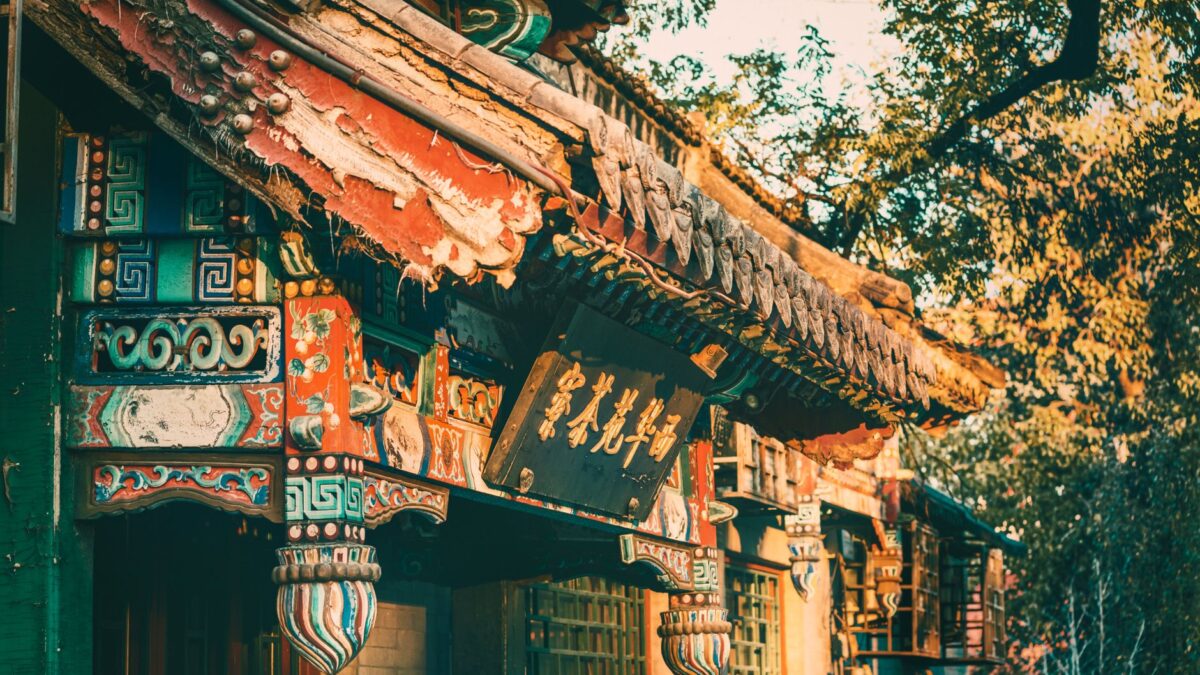
The summer heat in Beijing has finally broken. As of mid-September, the air is crisp, the sky is a piercing blue, and the evenings carry a sharp chill that demands a light jacket. This is the sweet spot of the year—before the winter winds arrive and before the autumn crowds swell for the holidays. I’m Wei Chen, and if you’re planning to walk these streets this month, here is what is actually happening on the ground right now.
Weather and Packing for Early Autumn
Right now, the temperature sits comfortably between 18°C and 27°C during the day, with clear skies dominating the forecast. The humidity of July and August is gone, replaced by dry, breathable air. However, do not be fooled by the sunny afternoons. By the time the sun sets around 18:25, the temperature drops quickly. You will feel the difference immediately if you are out near the hutongs or along the Liangma River.
Pack layers. A t-shirt and light trousers work for the midday sun, but you need a sweater or windbreaker for the evening. If you are hiking up to the Great Wall in Huairou later in the month, bring something warmer; the mountain air is significantly cooler than in the city center. The leaves are just starting to turn yellow, particularly in the Fragrant Hills (Xiangshan), so this is the perfect time to catch the first hints of Beijing’s famous autumn colors.
Holiday Rush: Mid-Autumn and National Day
You need to plan your itinerary carefully because two major holidays are approaching. First is the Mid-Autumn Festival on September 25th, just eleven days away. Shops are already stocked with mooncakes, and restaurants are featuring hairy crab, a seasonal delicacy. Expect higher prices for flights and hotels as domestic travelers begin their short trips.
More critically, National Day begins on October 1st. This is the busiest travel period of the year in China. If you want to visit the Forbidden City or the Great Wall during this week, book tickets exactly seven days in advance online. They sell out instantly. If you are arriving after September 20th, be prepared for massive crowds at major sites and potential traffic jams. Many locals leave the city center for the countryside, which can make the urban core slightly quieter but the transit hubs extremely crowded.
Events, Closures, and Transit Updates
Several specific events and closures are affecting travel right now. The 20th 798 Art Festival is running through October 7th, filling the Dashanzi art district with over a hundred exhibitions and night art walks. It is a great time to visit if you enjoy contemporary art, but expect heavy foot traffic.
Simultaneously, the Chaoyang International Light Festival is illuminating the Liangma River belt and Olympic Center. If you are in Chaoyang Park between September 10th and 13th, there was a craft beer festival, and the Kidumart Breadfest runs on weekends until September 20th. These areas are lively but packed.
Be aware of venue closures. The Military Museum of the Chinese People’s Revolution is closed from September 20th to 22nd for construction, with only digital exhibitions available. The Huairou District Museum has been closed since September 8th for upgrades and won’t reopen until mid-October, so do not plan a trip there. Also, the Workers’ Stadium subway station (Lines 3 and 17) may have exit-only crowd controls at Gates F and G after large events, redirecting passengers to Dongsi Shitiao or Tuanjiehu.
Transit pressure is high due to the recent China International Fair for Trade in Services (CIFTIS) at Shougang Park. While the main public days were earlier in the month, Metro Line 11 ran extended services and Line 6 had reduced intervals. If you are traveling near Shijingshan, check real-time metro updates, as road pressure remains high in event zones.
Costs and Daily Life
Beijing remains affordable for daily expenses, though rent is high. For visitors, food and transit are cheap. A single metro ride starts at about ¥3 ($0.6) for the first six kilometers. An unlimited one-day metro pass costs around ¥20 ($2.8). A short taxi ride is approximately ¥14 ($1.9).
Eating out is inexpensive. A bowl of zhajiangmian (noodles with fried soybean paste) costs about ¥25 ($3), while luzhu huoshao (stewed pork offal) is around ¥35 ($5). Street snacks like jianbing (egg crepes) range from ¥7 to ¥10 ($1.2–$1.4). A meal at an inexpensive local noodle shop is ¥20–40 ($4–$6), and a mid-range restaurant dinner per person is ¥80–150 ($16–$22). Coffee in a café is roughly ¥21 ($2.9).
If you are staying long-term, note that a modest one-bedroom flat in the city averages about ¥4,300 ($600) per month. Rent in the core districts can exceed ¥7,000. For short stays, hotels in areas like Dongzhimen or Wangfujing will vary widely, so book early given the upcoming holidays.
Practical Tips for Arriving Now
Visa rules are currently favorable for many nationalities. Citizens of France, Germany, Italy, Spain, Switzerland, and others can enter visa-free for up to 30 days, valid until December 31, 2026. Alternatively, the 240-hour visa-free transit policy applies if you have an onward ticket to a third country.
Payment is almost entirely digital. Link your foreign Visa or Mastercard to Alipay or WeChat Pay; this works seamlessly without needing a Chinese bank account. Physical cash is rarely used. For transport, the Yikatong smart card or the Alipay ‘Beijing Metro’ QR code works at all gates. Avoid rush hours (7:30–9:00 am and 5:30–7:00 pm) on Line 1 and other major arteries.
Safety is generally high, but guard your pockets in crowded stations. Bag scans are mandatory at every subway entrance. If you stay in an Airbnb or private home, you must register with the local police station within 24 hours of arrival. Hotels handle this automatically. Finally, remember that Google, WhatsApp, and Instagram are blocked; use a VPN if you need access to these services, though be aware that its legal status is grey.
Frequently asked questions
Is it safe to travel to Beijing in September 2026?
Yes, Beijing is a low-crime city with heavy surveillance. Standard precautions apply, such as guarding against pickpockets in crowded metro stations and avoiding unofficial tour touts near Tiananmen.
What are the current visa requirements for foreigners entering Beijing?
Many nationalities (including French, German, Italian, Spanish, and Swiss citizens) can enter visa-free for up to 30 days until December 31, 2026. The 240-hour visa-free transit policy also applies for those with onward tickets to a third country.
Are there any major museum closures in September 2026?
Yes. The Military Museum of the Chinese People's Revolution is closed from September 20–22 for construction. The Huairou District Museum is closed until mid-October for upgrades. Book tickets for the Forbidden City well in advance.
How much does a metro ride cost in Beijing right now?
A single short metro ride starts at about ¥3 ($0.6). Unlimited one-day passes are available for approximately ¥20 ($2.8). You can pay using the Alipay 'Beijing Metro' QR code or a Yikatong smart card.
When do the Mid-Autumn and National Day holidays start, and how do they affect travel?
Mid-Autumn Festival is on September 25, and National Day begins on October 1. These periods see peak domestic tourism, leading to sold-out tickets for major sights and higher accommodation prices. Plan ahead if visiting during these weeks.
Things to do in China
 Beijing: Mutianyu Great Wall Private Tour
 Beijing to Xi'an See Terracotta Warriors with Bullet Train Round Trip Transfer
 Beijing Capital Airport Layover Mutianyu Great Wall Private Tour
 Shanghai Breakfast Walking Tour of Former French Concession
 All-inclusive Private Day Tour to Mutianyu Great Wall
 Jinshanling Private Tour with Night View of Simatai and Gubei Water Town from Beijing