

Costa Rica etiquette: the dos and don’ts
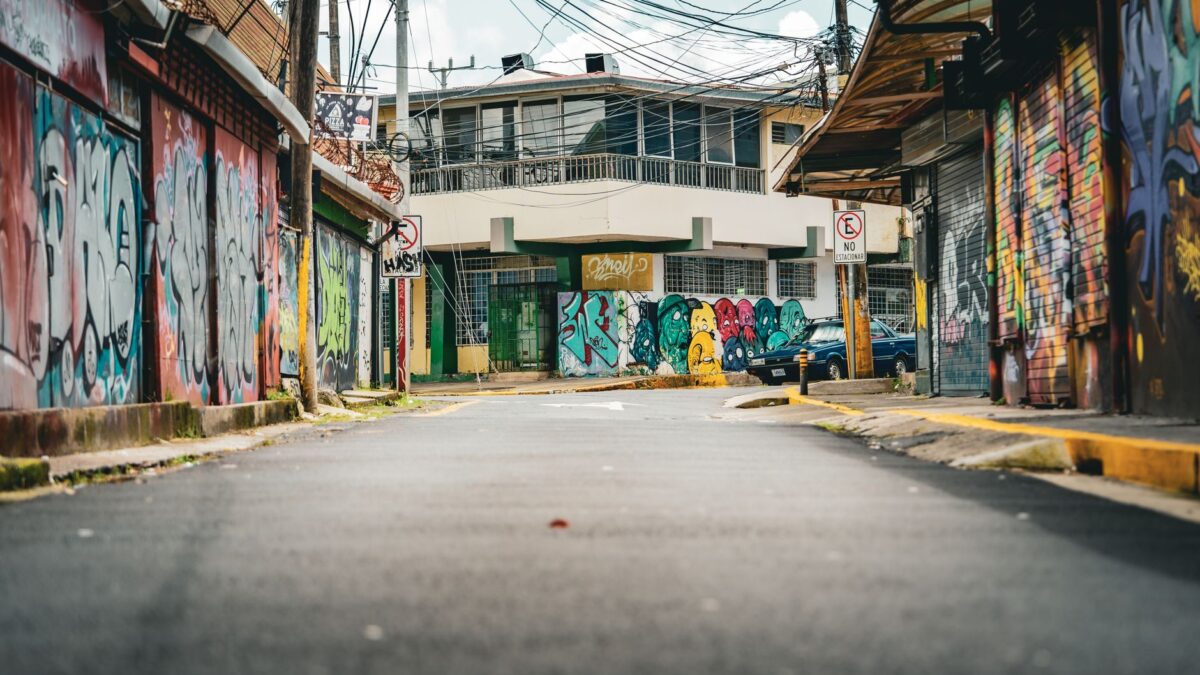
The rain in San José doesn’t fall so much as it arrives, a sudden, warm curtain that turns the afternoon heat into a steamy embrace. It is late September, and I am watching commuters from my window in Barrio Escalante navigate the slick streets, umbrellas inverted by gusts, heading toward the safety of a soda or the glow of a smartphone screen. This is the rhythm of ‘Chepe,’ as locals affectionately call our capital. To visit Costa Rica with grace, you must first understand this rhythm: it is slow, polite, and deeply communal. Being a considerate visitor isn’t about memorizing rigid rules; it is about recognizing that here, ‘Pura Vida’ is not just a slogan, but a negotiated peace between human patience and tropical unpredictability.
The Art of the Greeting: Never Skip the ‘Por Favor’
In many parts of the world, efficiency is king. In Costa Rica, connection is king. The most critical etiquette rule you will learn is the ubiquity of politeness markers. You will hear por favor (please) and gracias (thank you) used almost like punctuation. If you walk into a soda—the humble, local eatery where you can find a casado for around 2,000–3,500 CRC (roughly $5)—and simply point at a menu item without greeting the server, you may receive your food, but you will not receive warmth. Ticos value respect highly. When entering a small shop or elevator, a simple Buenos días or Buenas tardes acknowledges the humanity of those around you.
This extends to driving, though we are still working on it. With Route 1 currently closed for tunnel works and drivers forced onto detours via Radial and Route 135, frustration is high. Yet, the cultural expectation remains that you yield generously. A wave of thanks to someone who lets you merge is standard. We do not honk unless absolutely necessary; it is considered aggressive. Instead, we use our headlights or a gentle horn tap to signal presence, not anger. Respect the road, and the road will respect your journey.
Dining Like a Local: Sodas, Tips, and Timing
To eat well in San José, you must leave the fancy restaurants of Escazú for a moment and dive into the downtown maze of Mercado Central. Here, amidst the scent of frying plantains and roasting coffee, you will find the soul of our cuisine. A typical lunch—a gallo pinto breakfast or a casado dinner—costs roughly 2,500 to 3,235 CRC. It is a steal, but remember that prices have risen about 4% year-over-year due to inflation dynamics, so carry small bills.
When dining, tipping is expected but not mandatory in the American sense. In sit-down restaurants, a 10% service charge is often included, but leaving an extra 5-10% for exceptional service is a kind gesture. In sodas, if no service charge is added, rounding up or leaving small change is appreciated. However, the true test of etiquette is timing. Lunch is the main meal, typically eaten between 12:00 PM and 2:00 PM. Dinner is late, often after 7:30 PM. If you arrive at a restaurant at 6:00 PM, you may find it empty or closed. Patience is part of the experience. Also, never rush your waiter. We take our time because life is too short to eat quickly.
Dress Code: Comfort Meets Modesty
San José’s weather is deceptive. One minute it is 26°C and sunny; the next, a thunderstorm dumps 13mm of rain in seven hours, dropping the temperature. Dressing appropriately means layers. Locals rarely wear gym clothes outside of actual exercise. While tourists often get away with shorts and flip-flops everywhere, dressing slightly more formally shows respect. When visiting government buildings, museums like the Museo del Jade, or even nicer restaurants in Barrio Escalante, neat casual attire is preferred. Avoid overly revealing clothing in residential areas or near churches, such as the Catedral Metropolitana, which stands proudly east of Parque Central.
Footwear is key. The cobblestones in Barrio Amón and Otoya, with their historic coffee-baron mansions, are beautiful but uneven. Sturdy shoes are better than delicate sandals. And always carry a light rain jacket or umbrella. It is not just practical; it is a sign that you are prepared for the reality of our land, rather than fighting against it.
Small Customs That Matter: Money, Safety, and Silence
Costa Rica uses the Colón (CRC). While credit cards are accepted in malls and upscale districts like Rohrmoser, cash is king in markets and buses. The public bus system is cash-only, paid directly to the conductor. Fares are modest, around 385 CRC for urban trips, but you need exact change or large bills. Do not expect a stored-value card; the system is analog and efficient only if you have the coins.
Safety is a serious topic. Downtown San José is vibrant but has pockets of risk. Pickpocketing is common near Plaza de la Cultura and the Coca-Cola bus terminal area. As a visitor, stay alert. Keep valuables hidden. At night, avoid walking alone east of Calle 9. Use Uber or official red taxis instead of wandering. In safer neighborhoods like Escalante or La Sabana, you can stroll freely, but awareness is still virtue.
Finally, embrace the concept of ‘tico time.’ Schedules are suggestions. If a tour starts at 9:00 AM, arriving at 9:15 AM is normal. Do not show irritation; it will only isolate you. Smile, laugh, and go with the flow. This is how you become a friend, not just a tourist. Whether you are eating a bowl of mondongo at Soda Manantial for 1,500 CRC or admiring the Gaudí exhibition at the Plaza de la Cultura, let your presence be light, respectful, and open. That is the true Costa Rican way.
Frequently asked questions
Is tipping required in Costa Rica?
Tipping is appreciated but not strictly mandatory. In restaurants, a 10% service charge is often included; leaving an additional 5-10% for good service is customary. In sodas, rounding up or leaving small change is polite.
What should I wear in San José given the weather?
Dress in layers. Afternoons can bring sudden thunderstorms and cooler temperatures. Neat casual attire is preferred over beachwear, especially in districts like Barrio Amón or when visiting museums. Carry a light rain jacket.
How do I pay for public buses in San José?
Public buses are cash-only. You pay the conductor directly upon boarding. Urban fares are approximately 385 CRC. Have small bills or coins ready, as exact change is helpful.
Is downtown San José safe for tourists?
Downtown is walkable during the day, particularly around Plaza de la Cultura, but pickpocketing is common. Avoid walking alone after dark east of Calle 9 or near the Coca-Cola terminal. Use Uber or red taxis at night.
What is the best way to greet people in Costa Rica?
Always say 'Buenos días' or 'Buenas tardes' when entering shops or elevators. Use 'por favor' and 'gracias' frequently. Politeness is valued over speed, and acknowledging others builds immediate rapport.


