

Costa Rica in November 2026: what travelers should know now
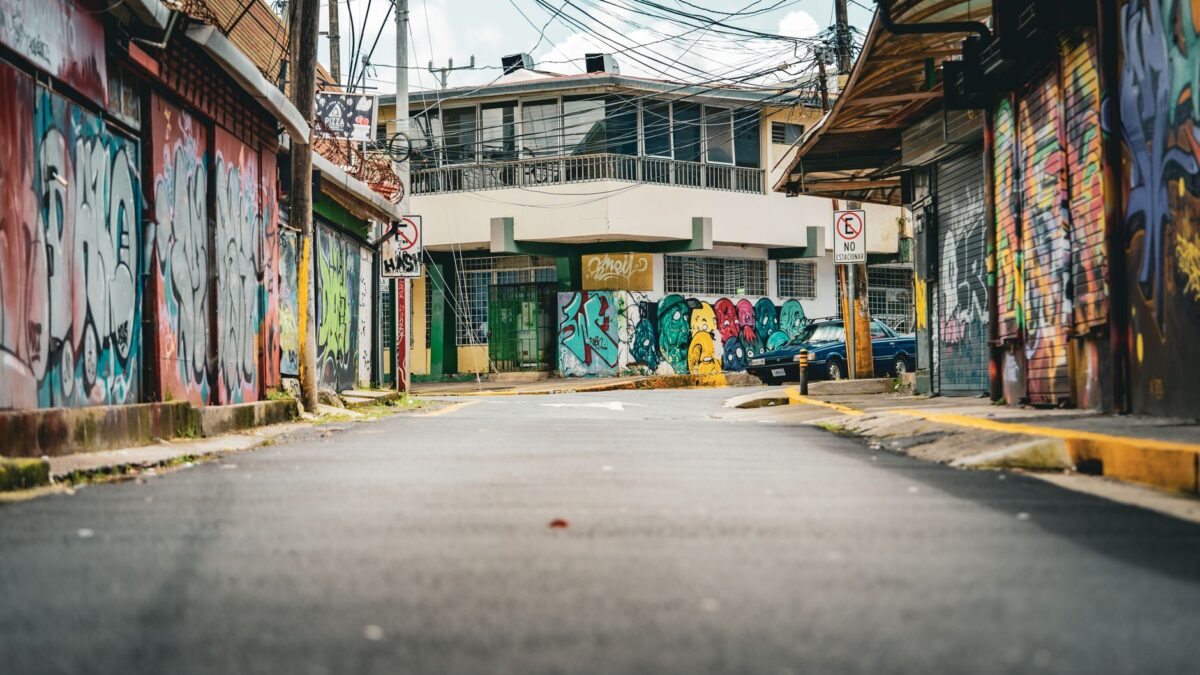
There is a specific texture to San José in early November. The heavy, green humidity of the rainy season is finally lifting, replaced by air that feels crisp against your skin by evening. As I step out onto Calle 9 this morning, the sky is a bruised purple-gray, and the first light drizzle is just starting to tap against the wrought-iron balconies of Barrio Amón. It’s not the deluge of April; it’s a gentle, rhythmic reminder that we are in the hinge of the year. The city is exhaling after the Día de Muertos celebrations last weekend and inhaling deeply toward the Christmas season. If you are arriving now, you are catching Costa Rica at its most introspective and intimate.
The Weather: Dressing for the Hinge Season
Right now, as of November 3rd, the verified conditions here in San José are mild but wet. We are looking at temperatures hovering between 18°C and 23°C during the day, though with the humidity, it can feel closer to 26°C if you’re walking under the sun. However, do not let that warmth fool you into packing only summer clothes. By late afternoon, the rain showers arrive with regularity—today alone, we are tracking about 12mm of rain over several hours. The wind is light, mostly from the east between 5:27 a.m. and 5:12 p.m., which keeps the valley cool.
This means your packing list needs a pivot. Leave the flip-flops at home unless you are strictly staying within hotel grounds. You need waterproof footwear that can handle slick cobblestones, especially if you plan to wander through the Mercado Central or hike up to the Bellavista Fortress. A lightweight, packable rain jacket is non-negotiable. For evenings, layer up. The drop in temperature is real. Think sweaters, long trousers, and closed-toe shoes. This is the time when locals pull out their heavier jackets, and tourists who didn’t prepare often end up buying expensive rain gear at the mall. Pack layers that you can shed if you find yourself in a heated café in Escalante, but keep your outer shell dry.
Events & Culture: From Mascarada to Jazz
The cultural calendar in San José is shifting gears rapidly. Last weekend, the Parque Nacional was transformed by Katrinas Fest 2026, a vibrant, two-day celebration of Día de Muertos featuring catrina parades and costume contests. If you missed those dates (October 31–November 1), the energy has settled, but the city is already buzzing with what comes next.
In the coming weeks, look out for the Festival Cultura en el Barrio on November 7th. It’s a free community arts festival filling the space around the Monumento a Los Estudiantes on Calle 9. From 9:00 a.m. to 3:00 p.m., you’ll find performances, workshops, and an entrepreneur fair. It’s a great way to see the local creative spirit without spending a cent. Also, mark your calendar for the second edition of the 506 Jazz Fest, running from November 19th to 22nd. This is a highlight of the season. Free concerts will take place at the Anfiteatro Fidel Gamboa at CENAC and along the Avenida Central boulevard, featuring the Orquesta Sinfónica Nacional and US saxophonist Ed Calle. The same weekend, the VIVÍ visual-arts fair debuts at the Antigua Aduana. If you prefer smaller, ticketed events, TEDxPuraVidaSalon is scheduled for November 5th, though these tend to sell out quickly among the professional crowd.
The Cost of Living: What Your Money Buys Now
Let’s talk money, because San José is currently ranked as the fourth most expensive city in Latin America according to Expatistan data. Transport costs have jumped again in 2026 due to fuel-driven fare rises of about 5.4%, so budgeting requires precision. Here is what you can expect to pay for daily essentials in Costa Rican colones (CRC), using the current exchange rate of approximately 515 CRC to 1 USD.
- Food: A meal at an inexpensive local soda—a casado plate—is about ₡5,250 ($10). For a mid-range restaurant dinner for two with three courses, expect to pay around ₡22,500 ($45). A cup of coffee or cappuccino in a trendy café like Café Rojo or Cafeoteca runs about ₡1,958 ($4).
- Transport: A single urban bus fare, such as the route from San José to Sabana, is ₡310 ($0.6). Intercity buses, like the trip to Cartago, are ₡780 ($1.5). If you are staying long-term, a monthly public transport pass is roughly ₡17,100 ($35).
- Groceries: Basic items are stable but not cheap. A litre of milk is about ₡1,073 ($2.1), and a 500g loaf of white bread is ₡1,395 ($2.7). A half-litre of domestic draft beer at a bar is around ₡1,500 ($2.9).
If you are considering renting, a modest one-bedroom flat in central San José costs between ₡200,000 and ₡350,000 per month (approx. $530). For a single person living comfortably, the monthly cost of living is estimated between ₡790,000 and ₡845,000. Inflation is currently negligible at -0.1%, but the high baseline cost means every colón counts.
Neighborhoods: Where to Stay and Wander
San José is not a walkable city in the traditional sense; districts are separated by busy arteries. Your choice of neighborhood dictates your experience. Barrio Escalante is the gastronomic hub right now. It’s a grid of 1940s houses turned into restaurants and bars along Paseo Gastronómico La Luz. It’s walkable, busy until late, and perfect for dinner. Barrio Amón, north of downtown, offers historic Victorian and neoclassical mansions, boutique hotels, and the TEOR/éTica contemporary art space. It is quieter, leafier, and considered safer for evening strolls than the Centro.
For families or those seeking calm, Los Yoses and San Pedro in the east are excellent choices, close to the University of Costa Rica. La Sabana, wrapping around the metropolitan park, offers easier road access out of the city and is home to the Museo de Arte Costarricense. If you prefer upscale convenience and shopping, Escazú to the west is popular with expats and business travelers, though it feels more suburban than urban.
Practical Tips for November Arrivals
As you navigate the city this month, keep safety in mind. The downtown Centro area is fine during the day, but petty theft is common. Most locals avoid walking between distant districts after dark. Use rideshare apps like Uber or DiDi, or licensed taxis, to move around at night. The areas mentioned above—Amón, Escalante, Los Yoses—are generally safer for pedestrians.
For transit, get the Monedero SINPE-TP card immediately. It costs ₡5,000 (with ₡4,000 usable balance) and is tapped on validators for buses and the urban train. You can recharge it via SINPE Móvil or bank transfer. If you need a SIM card, buy one at the airport or from Kölbi, Claro, or Liberty stores; you will need your passport. Prepaid SIMs enable SINPE Móvil, which is how everyone pays each other locally.
Visa-wise, most Western nationals enter visa-free for 90 days, extendable up to 180 days per calendar year. Ensure your passport is valid well beyond your stay and carry proof of onward travel. If you are planning a longer stay, residency registration through the Dirección General de Migración y Extranjería (DGME) is required, involving appointments via the Migración call center (1311) or partner offices like Banco de Costa Rica.
Finally, enjoy the coffee. November is harvest time in the Tarrazú and Naranjo regions. The smallholder lots are being picked, and the roasters are showcasing single-origin beans. Seek out Café Treintaitres or Franco for a taste of the new crop. It’s the perfect way to warm up while the rain taps gently on the roof.
Frequently asked questions
What is the weather like in San José in November 2026?
Temperatures range from 18–23°C with occasional rain showers. Humidity makes it feel warmer, so pack layers and waterproof footwear.
Are there any major festivals happening in San José this month?
Yes, the 506 Jazz Fest runs Nov 19–22 with free concerts, and the Festival Cultura en el Barrio takes place on Nov 7. Katrinas Fest ended in early November.
How much does a meal cost in San José right now?
An inexpensive soda meal is about ₡5,250 ($10), while a mid-range dinner for two is around ₡22,500 ($45).
Is San José safe for tourists in November?
Daytime in Centro is okay, but use rideshares at night. Safer pedestrian districts include Barrio Amón, Escalante, and La Sabana.
Do I need a visa to visit Costa Rica for tourism?
Most Western nationals enter visa-free for 90 days. Carry a passport valid beyond your stay and proof of onward travel.


