

Costa Rica in October 2026: what travelers should know now
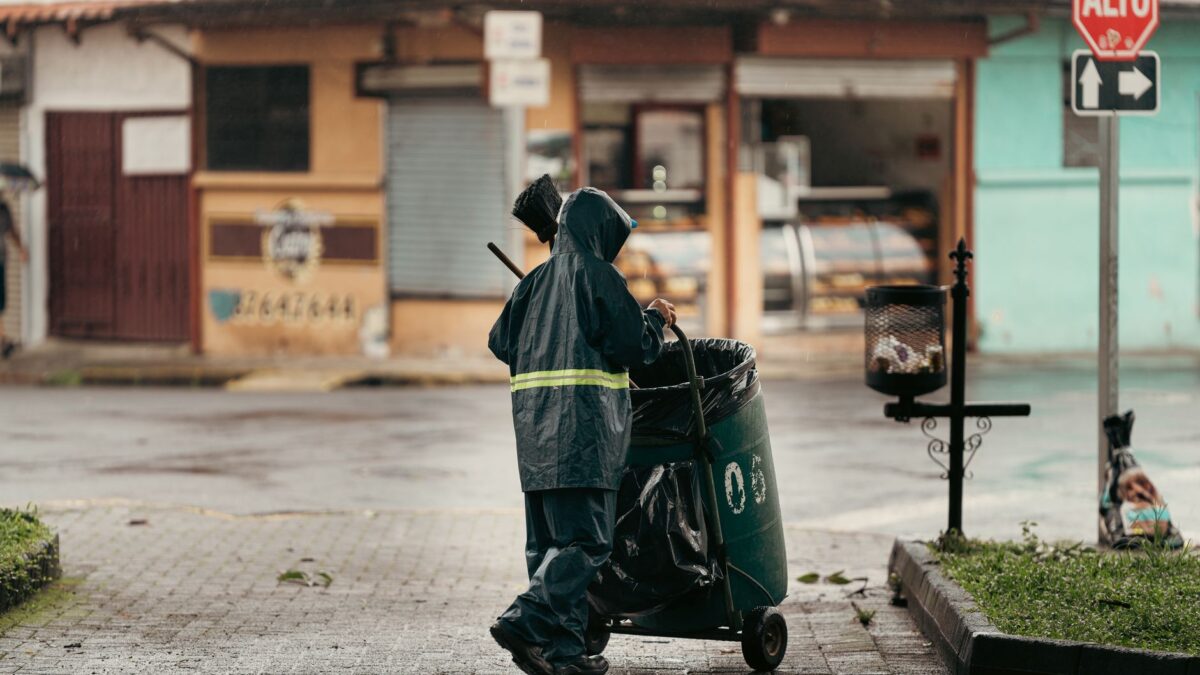
It is a damp, lush Tuesday in San José, and the city is breathing in that heavy, green way it does right now. The air feels thick—30°C despite the thermometer showing only 26°C—and the sky has been weeping a steady drizzle since early morning. This is the heart of the rainy season, and if you are arriving in October 2026, you are stepping into the country’s most vibrant, introspective moment. The streets are slick, the hills are impossibly verdant, and while the rain might keep you indoors for an hour or two each afternoon, it also drives the cultural life of the capital into some of its best hidden corners.
Weather: Embracing the Wet Season
As of today, October 6th, the forecast is consistent with what locals expect: brief but intense downpours that clear the streets quickly, followed by humid stillness. You will see about 4mm of rain over a nine-hour window today, but don’t let that fool you; late-afternoon storms can be heavier. Packing is simple: lightweight, quick-dry fabrics and a solid umbrella or light rain jacket are non-negotiable. Sandals are fine for the dry spells, but waterproof shoes are wise when the pavement gets busy.
This weather creates a unique rhythm. Mornings are often clear enough for walking between districts like Barrio Amón and Barrio Escalante, but by 3 p.m., the clouds roll in. This is why indoor culture thrives here now. The city pushes its programmes inside, from gallery openings to cozy café sessions. If you are planning day trips to Braulio Carrillo National Park or the Poás Volcano, check the cloud cover; the views at higher elevations can be obscured, but the rainforest trails remain lush and accessible.
What’s Happening Right Now
October in San José is not quiet; it is just different. There are several events worth noting if your schedule allows for them. First, keep an eye out for ‘Bosque prestado’ (Borrowed Forest). Starting October 17th and running through the 25th, dozens of native trees have been installed as a temporary urban forest at the entrance to the Museos del Banco Central. It is free to visit, and on October 17th, there is even a Bunny Wabbit DJ set among the trees—a surreal, beautiful mix of nature and music in the middle of the financial district.
If you are interested in local labor markets or community news, YouthCan! 2026 is taking place on October 8th at the Antigua Aduana. It is a job fair featuring over 50 companies offering roughly 2,000 positions. It is free, runs from 8:30 a.m. to 4 p.m., and if you happen to be looking for work or networking, bring your CV. Meanwhile, earlier this month, the city saw a significant gathering for World Animal Day on October 4th, with residents bringing pets downtown to advocate for animal rights—a testament to how deeply wildlife is woven into Costa Rican identity.
Transport and Infrastructure Updates
Navigation in San José requires patience this month due to ongoing municipal works. Paving crews are actively working across the cantón, currently focused around Pavas near the Estadio Ernesto Rohrmoser, with Bilbao (San Sebastián) and Calle 4 next in line. The city launched a US$1 million own-pavement-train initiative, so expect lane closures and slower traffic. If you are driving, plan extra time. For public transit users, Incofer has cancelled several evening train services between San José, Heredia, and Alajuela on short notice due to mechanical issues. However, they are running extra trips—18 daily San José–Alajuela routes—to offset road congestion. Normal frequencies are promised soon, but verify schedules before heading to the station.
Fares have risen again in 2026 following fuel-driven increases. A single urban bus fare is now approximately ₡310 (about $0.60), and intercity buses like the San José–Cartago route cost around ₡780 ($1.50). To navigate this efficiently, get a Monedero SINPE-TP card. It costs ₡5,000 upfront (with ₡4,000 usable balance), lasts four years, and can be recharged via SINPE Móvil or bank transfer. The free SINPE-TP Pasajero app helps you track your balance and trips.
Costs and Living in the Capital
San José is currently ranked as the fourth most expensive city in Latin America. Expect to budget roughly ₡790,000–₡845,000 per month for a single person living modestly. Rent for a one-bedroom flat in central areas like Barrio Escalante or Barrio Amón ranges from ₡200,000 to ₡350,000 (around $530). Food, however, remains reasonable if you eat locally. A typical casado plate at a soda costs about ₡5,250 ($10), while a mid-range dinner for two runs closer to ₡22,500 ($45). Coffee culture is booming here; a cappuccino in a third-wave roastery like Café Rojo or Cafeoteca will set you back about ₡1,958 ($4).
Safety is generally good in tourist-friendly districts like La Sabana, Los Yoses, and San Pedro, but petty theft is common in the downtown Centro area during the day. Avoid walking between distant neighborhoods after dark; use Uber, DiDi, or licensed taxis instead. The political climate is active, with the general election cycle falling in 2026, so expect heightened debate around security and tourism in the coming weeks.
Practical Tips for October Arrivals
If you are staying longer than 90 days, remember that many Western nationals enter visa-free initially but must register with the Dirección General de Migración y Extranjería (DGME) to obtain a DIMEX (resident ID). Appointments can be booked via the Migración call center (1311) or partner offices like Banco de Costa Rica. Health insurance enrollment in the CCSS system is typically required for residency.
For banking, the state banks—Banco de Costa Rica (BCR) and Banco Nacional (BNCR)—are reliable, along with private options like BAC Credomatic. Opening an account is easier with a cédula/DIMEX. Mobile payments are ubiquitous; SINPE Móvil is how locals pay each other for everything from street food to rent. Finally, if you need connectivity, buy a prepaid SIM at the airport or from operators like Kölki, Claro, or Liberty. Your Costa Rican number will enable SINPE Móvil, making daily transactions much smoother.
Frequently asked questions
Is it safe to walk around downtown San José in October?
Downtown (Centro) is generally safe during the day, but petty theft is common. Most locals avoid walking between distant districts after dark. Stick to safer areas like Barrio Amón or Escalante for evening strolls, and use rideshare apps for night travel.
What major events are happening in San José this month?
The 'Bosque prestado' (Borrowed Forest) installation runs from October 17–25 at the Museos del Banco Central, featuring native trees and music. YouthCan! 2026, a major job fair, takes place on October 8th at the Antigua Aduana.
How much does public transport cost in San José right now?
Urban bus fares are approximately ₡310 ($0.60), and intercity routes like San José–Cartago are around ₡780 ($1.50). Use the Monedero SINPE-TP card for tap-to-pay convenience, rechargeable via SINPE Móvil.
Are there any train service disruptions I should know about?
Incofer has cancelled some evening services due to mechanical issues but is running extra San José–Alajuela trips to offset roadworks. Check real-time schedules before traveling, as normal frequencies are expected to return soon.
What is the current exchange rate and cost of living like?
The exchange rate is roughly 515 CRC to 1 USD. San José is the 4th most expensive city in Latin America; expect monthly living costs of ₡790,000–₡845,000 for a single person, though meals at local sodas remain affordable at ~₡5,250.


